
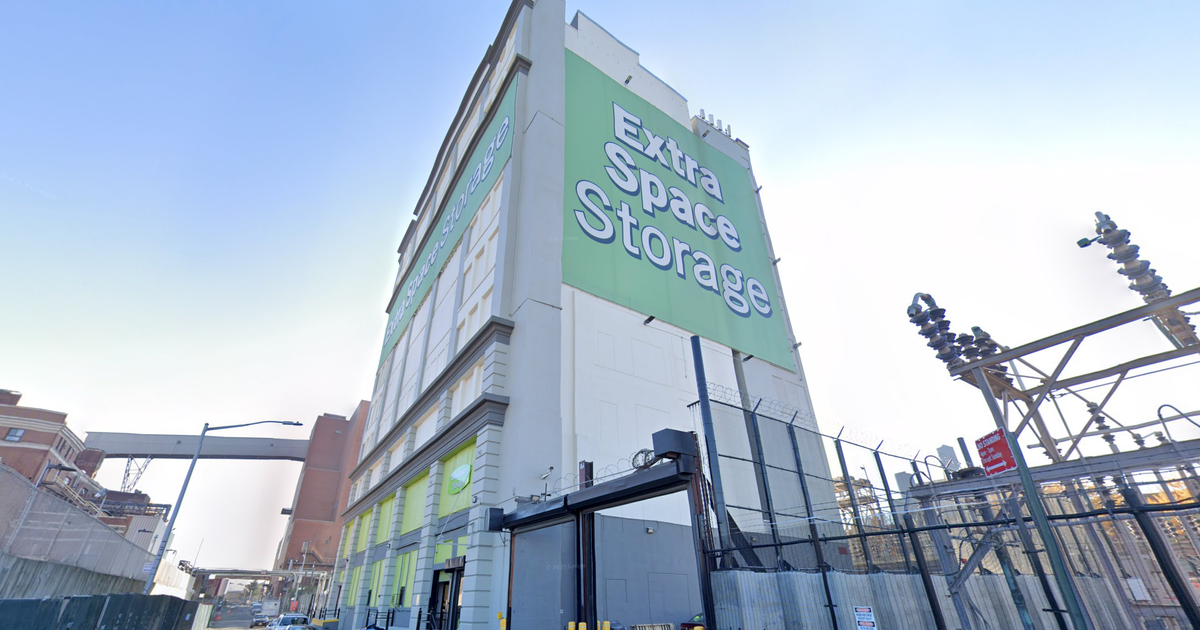

The Mamdani administration is going after the self-storage industry. Early Tuesday, the city filed a lawsuit against a self-storage company, alleging that, among other claims, Extra Space Storage routinely charged customers increases that “seem to have no correlation to any market conditions or costs.” The suit is asking $5 million in penalties, hundreds of thousands for swindled customers, and immediate changes to how Extra Space does business.
The suit is a parade of horrors. Bills allegedly spiked from $120 to $320 in a single month or rose nearly that far within the first 30 days of moving in. People who did pay — or thought their checks were being processed — said they sometimes learned too late their units were being cleared out. Others learned only by happenstance. “Extra Space is, like, the demon of all the storage companies,” says Raquel Gerardo, a 43-year-old paralegal named in the suit. In 2023, she says she was shocked by a $200 jump in the bill for her 10×15 unit in Queens. And the contract she signed described a window of 30 days’ notice before rent increases. She hadn’t gotten that, she says. When she went by the next day to deal with what she thought was a mix-up, there was a lock on her unit. An employee in the office didn’t have answers. Instead, she says he threatened her — and jumped over the sales desk.
When people across the city cram into smaller spaces or take on roommates to afford housing costs, self-storage can often feel like a requirement — a second apartment for your stuff. Gerardo says she needed hers to make room for a relative with dementia who had moved in with her. Except, unlike the housing industry, the storage industry has very limited protections. Last year, the council passed two laws targeting practices across the industry. The first requires storage companies to give 60 days’ notice before a rate increase, and the second makes it possible to shut down bad operators through a licensing system. Starting in August, companies will need a license to operate, and they can lose that license if they rack up enough violations. The new process will be overseen by the Department of Consumer and Worker Protection, which filed the suit on Tuesday. “What we see is companies taking advantage of the fact that they can literally hold people’s stuff hostage,” says the department’s commissioner, Sam Levine, a Mamdani appointee who stepped into the role in January. “In a city like New York, where many people struggle to have the space they need, this is an essential service. Consumers are being held captive.”
The suit says Extra Space is “not unique in using these deceptive tactics.” The company was singled out, per the city, because investigators found it had more credible consumer complaints than any other doing business in the city right now — 117 over three years. Many complaints also include descriptions of rat infestations that chewed through expensive equipment, or water and mold damage that forced owners to throw out what they were storing. The suit uses those accounts to allege the company is falsely advertising when it claims safe, clean, and well-maintained facilities. Extra Space has also been sued in California, over allegations of similar “bait and switch” tactics. In New York, it has 60 locations — one-fifth of the city’s self-storage facilities, Levine said, making it one of the largest operators. “I want to focus on the companies that are causing the most harm,” he added. The suit also shows a broader pattern outside the official consumer complaints, citing reviews on “social-media websites like Yelp, Facebook, and Reddit” that it says are “replete with similar horror stories.” One-star reviews for an Extra Space storage facility in Harlem include a claim from someone who says a friend spotted their family Bible in a pile of neighborhood trash. When they asked Extra Space why the company hadn’t emailed them to say the unit was being cleared out, an employee reportedly said, “They don’t use email.”
Gerardo, whose rate more than doubled month to month, says she moved her stuff over to another company, but it hasn’t solved the problem. “Their rates started going up,” she says. “Actually, you just reminded me. I need to call them tomorrow.”
Sign Up for the Curbed Newsletter
A daily mix of stories about cities, city life, and our always evolving neighborhoods and skylines.
Vox Media, LLC Terms and Privacy Notice
Related