
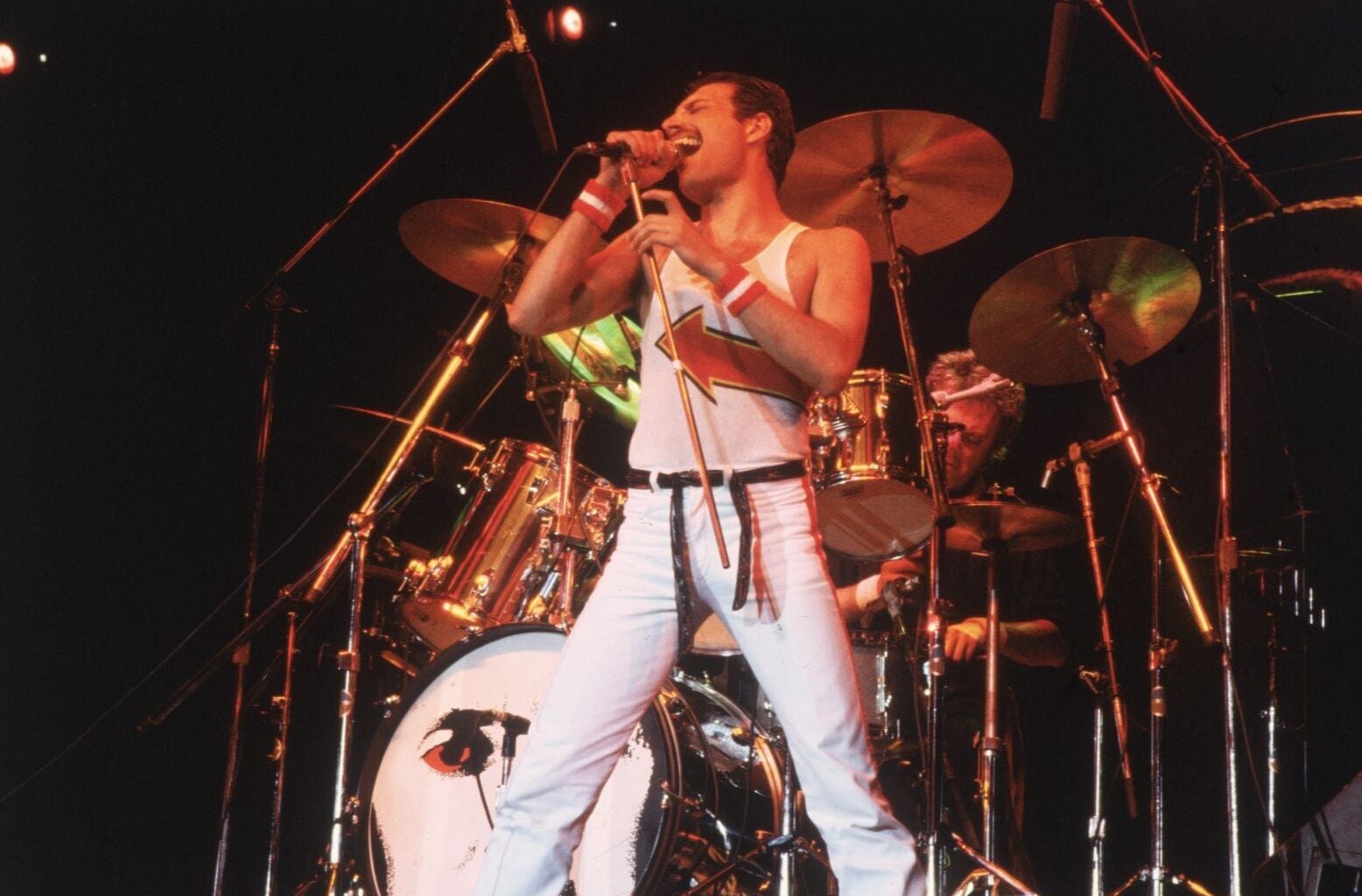
Queen didn’t just influence rock music. They cracked it open, rewired it, and left the door swinging for anyone brave enough to be theatrical, heavy, vulnerable, ridiculous, precise, and human all at once. You don’t really escape Queen. You either run from that shadow, or you learn how to stand inside it and build something new.
Some of the most important artists of the last 30 years chose the second option.
You can hear Queen’s fingerprints all over modern music, but nowhere is it clearer than in Foo Fighters, Metallica, Lady Gaga and Muse, four wildly different acts, all pulling from the same impossible source.
Queen’s Influence on Music
Foo Fighters: Big Songs, Bigger Hearts
Dave Grohl has never been shy about where he comes from. He grew up on rock that believed in songs and Queen were masters of that belief. Not just riffs or choruses, but structures. Peaks. Valleys. The slow burn into a fist-in-the-air release.
Listen to Foo Fighters’ biggest moments and you can feel it. The emotional patience of “Everlong.” The arena-sized build of “Best of You.” The way Grohl lets a song breathe before lighting it on fire. That’s Queen DNA, filtered through post-grunge sweat and sincerity.
Grohl has spoken openly about Freddie Mercury’s ability to command a room without apology, calling him one of the greatest frontmen of all time (Rolling Stone). And you see that influence not in imitation, but in intent. Foo Fighters don’t try to be Queen. They try to make music that matters on a human level, the same way Queen did: unapologetically emotional, always earnest.
Queen taught Grohl that rock didn’t have to hide its feelings to be powerful.
Metallica: Precision Meets Drama
Metallica and Queen might seem like strange bedfellows at first glance. One band built on speed, aggression, and discipline. The other thrived on flamboyance and theatrical excess. But look closer and the connection snaps into focus.
Metallica learned from Queen that heaviness isn’t just volume. It’s arrangement. It’s knowing when to pull back so the impact hits harder. Songs like “Master of Puppets” and “One” don’t just crush; they move. They unfold. They tell stories. That sense of scale is pure Queen.
James Hetfield has cited Queen as a band that proved technical excellence and mainstream appeal didn’t have to cancel each other out (Classic Rock Magazine). Brian May’s layered guitar work, meticulously stacked harmonies, and obsessive attention to tone paved the way for metal bands who cared as much about clarity as chaos.
Metallica took that lesson and sharpened it into steel. Less glitter, more grit, but the architecture underneath is unmistakable. Queen showed them that ambition wasn’t a flaw. It was the point.
Lady Gaga: Owning the Spectacle
If Freddie Mercury were alive today, he’d recognize Lady Gaga immediately. Not because they sound alike, but because they think alike.
Gaga has been explicit about Queen’s influence, even naming herself after the song “Radio Ga Ga,” a fact she’s confirmed repeatedly. But the deeper connection runs far beyond a name. Gaga understood what Freddie knew instinctively: that pop music can be art without losing its bite, and performance can be exaggerated without being fake.
Like Queen, Gaga treats the stage as a world unto itself. Costumes aren’t distractions; they’re extensions of the music. Vulnerability isn’t weakness; it’s leverage. Whether she’s stripped down at a piano or wrapped in maximalist chaos, she’s operating in the same emotional universe Freddie helped build.
Queen gave Gaga permission to be everything at once: glamorous, raw, camp, serious, playful, devastating. In a pop landscape that often demands neat boxes, that influence matters more than ever.
If there’s one modern band that wears Queen’s influence openly, proudly, and loudly, it’s Muse. Matthew Bellamy’s falsetto, operatic instincts, and obsession with scale feel like a direct conversation with Freddie Mercury across decades. Muse doesn’t shy away from comparison — Bellamy has acknowledged Queen as a foundational influence, particularly in terms of vocal ambition and theatrical composition.
But Muse didn’t just borrow the surface elements. They absorbed Queen’s sense of drama and pushed it into the future. Where Queen layered harmonies, Muse layered synths. Where Queen flirted with opera, Muse flirted with dystopia. The spirit is the same: go bigger than anyone expects, then go bigger again.
Muse understands what Queen understood: that excess, when done with purpose, becomes its own kind of honesty.
What ties all of these artists together isn’t sound. It’s philosophy. Queen taught musicians that you don’t have to choose between credibility and ambition. That technical skill and emotional chaos can coexist. That music can be smart, ridiculous, tender, and massive, sometimes all in the same song.
They normalized risk. They made space for artists who didn’t fit neatly into genres or expectations. And decades later, the proof is everywhere: in Grohl’s anthems, Metallica’s architecture, Gaga’s fearlessness, and Muse’s unapologetic scale.
Queen didn’t just influence these artists. They let them be themselves. And that might be the loudest legacy of all.