
STATEN ISLAND, N.Y. — Long before Hollywood mythologized the American West, Black cowboys and cowgirls were shaping it—roping, riding and building the frontier with skill, grit and artistry. Their stories, too often overshadowed in popular culture, are riding back into view on Staten Island, where a local dance troupe is transforming this history into living, breathing performances.
With lively steps, colorful costumes and a rich musical backdrop, the Western Pulse Ensemble is bringing that legacy to life, celebrating the remarkable contributions of Black cowboys and cowgirls to the culture of the West.
“The Western Pulse Ensemble continues to educate the public about African American history in the Old West,” said Dorcas Meyers, creative director of Roc-A-Natural Cultural Foundation Inc. and a cast member.
“We are ‘edu-taining’ the community through dance and fashion, highlighting the history of Black cowboys and cowgirls,” she added.
The performers include Real Deal D (Dorcas Meyers); Dazzling Dixie (Dakota McKoy); Double Barrel D (Dierdra Dilbert); Naadi Love (Naadira Brown); and Manny Two Times (Imanuel Stennett).
The dance troupe is currently rehearsing for their upcoming performances at the Third Annual Freedom Ball Fundraiser on Feb. 20 at the Staaten in West Brighton.
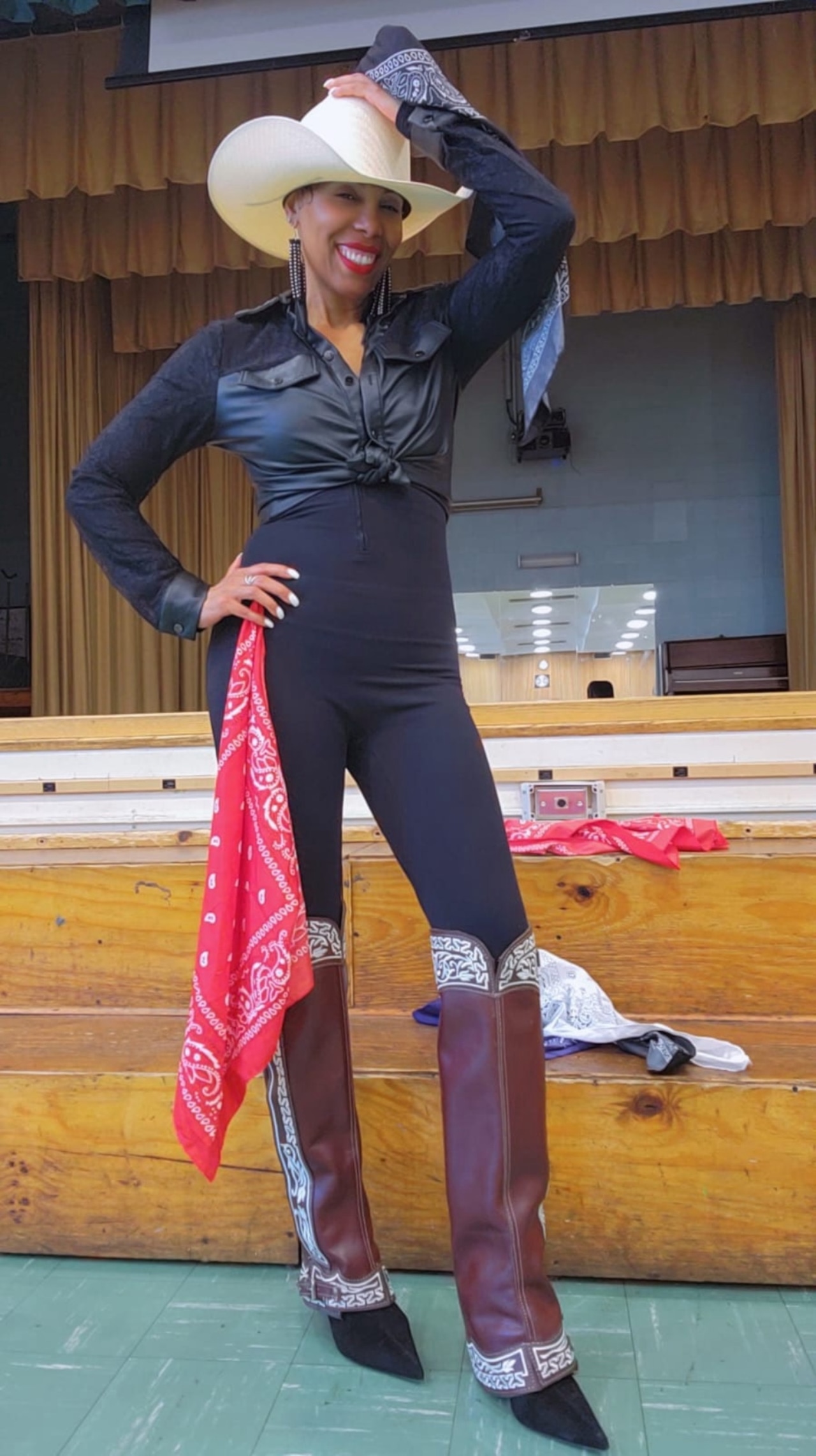 “The Western Pulse Ensemble continues to educate the public about African-American history in the Old West,” said Dorcas Meyers, pictured, creative director of Roc-A-Natural Cultural Foundation Inc.Roc-A-Natural Cultural Foundation Inc.
Another performance is scheduled during the 2026 Juneteenth Freedom Parade and Festival at Tappen Park.
Both events are presented by Roc-A-Natural Cultural Foundation Inc., whose mission is to educate, empower and inspire the community in areas of health, arts and culture.
Ayeodele Maakheru and the Another Country Band are scheduled to welcome arriving guests with the lively sounds of banjo, fiddle and bass.
The group’s performances, which debuted in 2025 at the Freedom Ball Fundraiser and the Juneteenth Freedom Parade and Festival at Tappen Park, celebrate the often-overlooked contributions of Black cowboys and cowgirls.
“The group is widely known for blending education with entertainment in a way that leaves audiences inspired and engaged,” Meyers added.
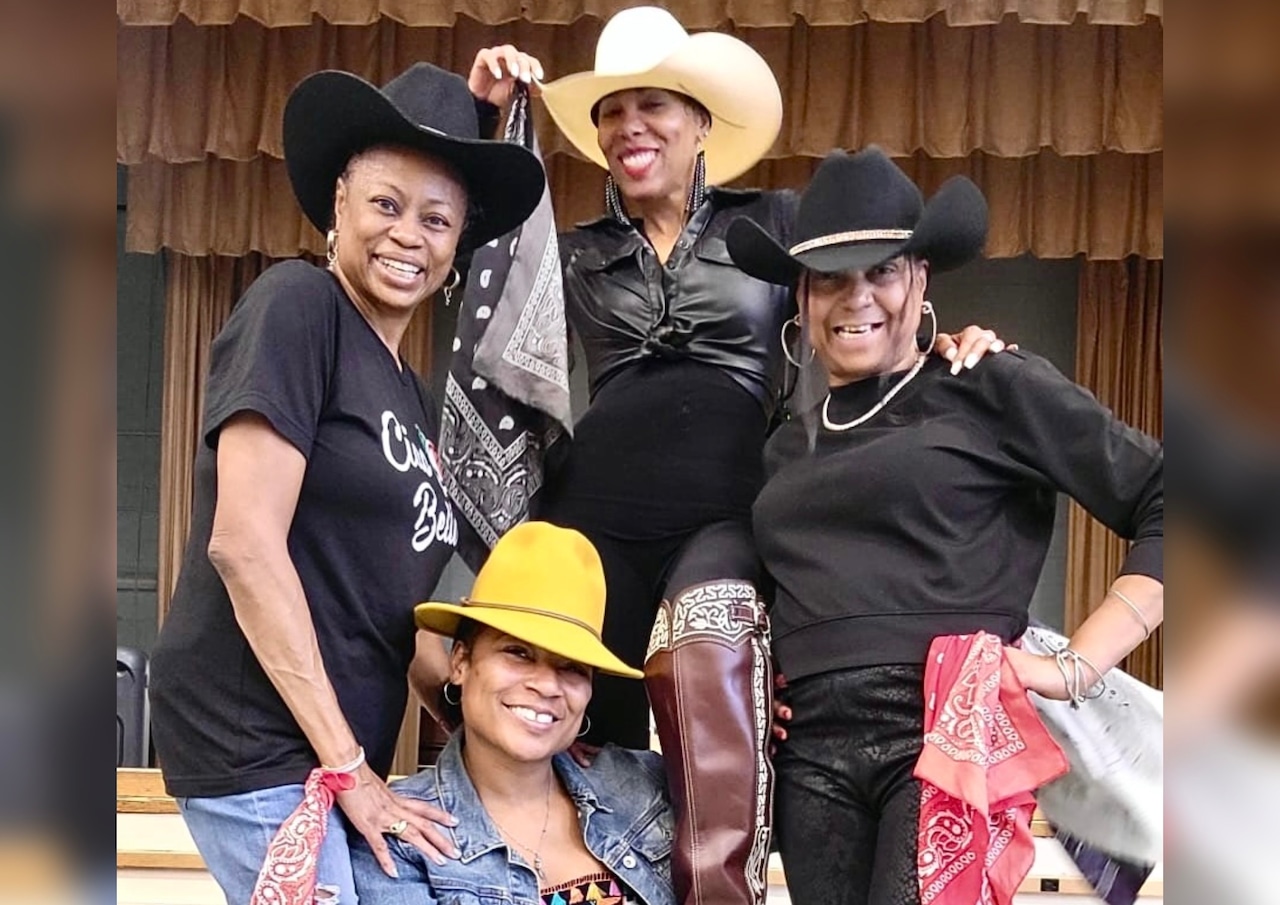 Naadira Brown, choreographer (yellow hat), is pictured with Dakota Mckoy, left, Dorcas Meyers, and Dierdra Dilbert. (Courtesy Dorcas Meyers)(Courtesy Dorcas Meyers)
Through dance and fashion, the group shares stories of Black laborers and vaqueros who helped shape the American West after slavery was abolished in 1865, creating a vibrant, educational and celebratory experience for the Staten Island community.
Under the early direction of Staten Island’s Yvonne “Patricia Parker” Curry of YDanceC, the group — which also includes Dierdra Dilbert, Dakota McKoy and musician Imanuel Stennett — is made up entirely of Staten Island volunteers who dedicate their time and talent to making the performances possible.
This year’s choreography, crafted by Naadira Brown, a wellness and kindness coach at the New York Center for Interpersonal Development, blends European folk dances, such as polka, waltz, jigs and reels with African American rhythms and frontier culture.
The result is a country-western style that spans partner dances, like the two-step group dances, and square and line dancing. There are also elements of hip-hop and Latin dance, popular with audiences of all ages.
Jerraine Williams, also known as Agent Blurr of Blurred Noize Studio, created the original musical backdrop for the ensemble, blending country, bluegrass, house, disco and hip-hop.
“A special thank you to Jaimita Troia, director of UAU P.S. 18, for their support and for providing rehearsal space,” Meyers said.
The history of Black cowboys and cowgirls
For those unfamiliar, Black cowboys and cowgirls were a vital yet often overlooked part of the American West. During the 19th century, many white ranchers hired Black laborers alongside Mexican and Indigenous vaqueros, who were skilled in cattle herding, roping and breaking wild horses.
These workers introduced essential Western techniques, including the lasso and specialized gear, laying the groundwork for modern rodeo and ranching.
Estimates suggest that one in four cowboys were Black, many of whom were formerly enslaved. After gaining their freedom, they found opportunity and skilled work in the cattle industry, driving herds, establishing ranches and mastering the rugged demands of Western life.
Despite facing racism, they built strong communities and lasting legacies through resilience and expertise.
Figures such as Nat Love and Bill Pickett, along with pioneering cowgirls, highlight their significant contributions to cattle drives, rodeo and Western culture, challenging the predominantly white image of the cowboy.
After the Civil War, many Black men and women moved West to escape discrimination in the South. They found work as essential ranch hands, drovers and homesteaders, carving out new lives in difficult and often dangerous environments.
Black cowboys were renowned for their exceptional horsemanship, roping and branding skills, earning respect on the trail and in the arena even as they navigated widespread racism.
Beyond their work on the range, they helped establish all-Black towns, such as Nicodemus, Kansas, creating self-sufficient communities that preserved culture, supported families and fostered economic independence.
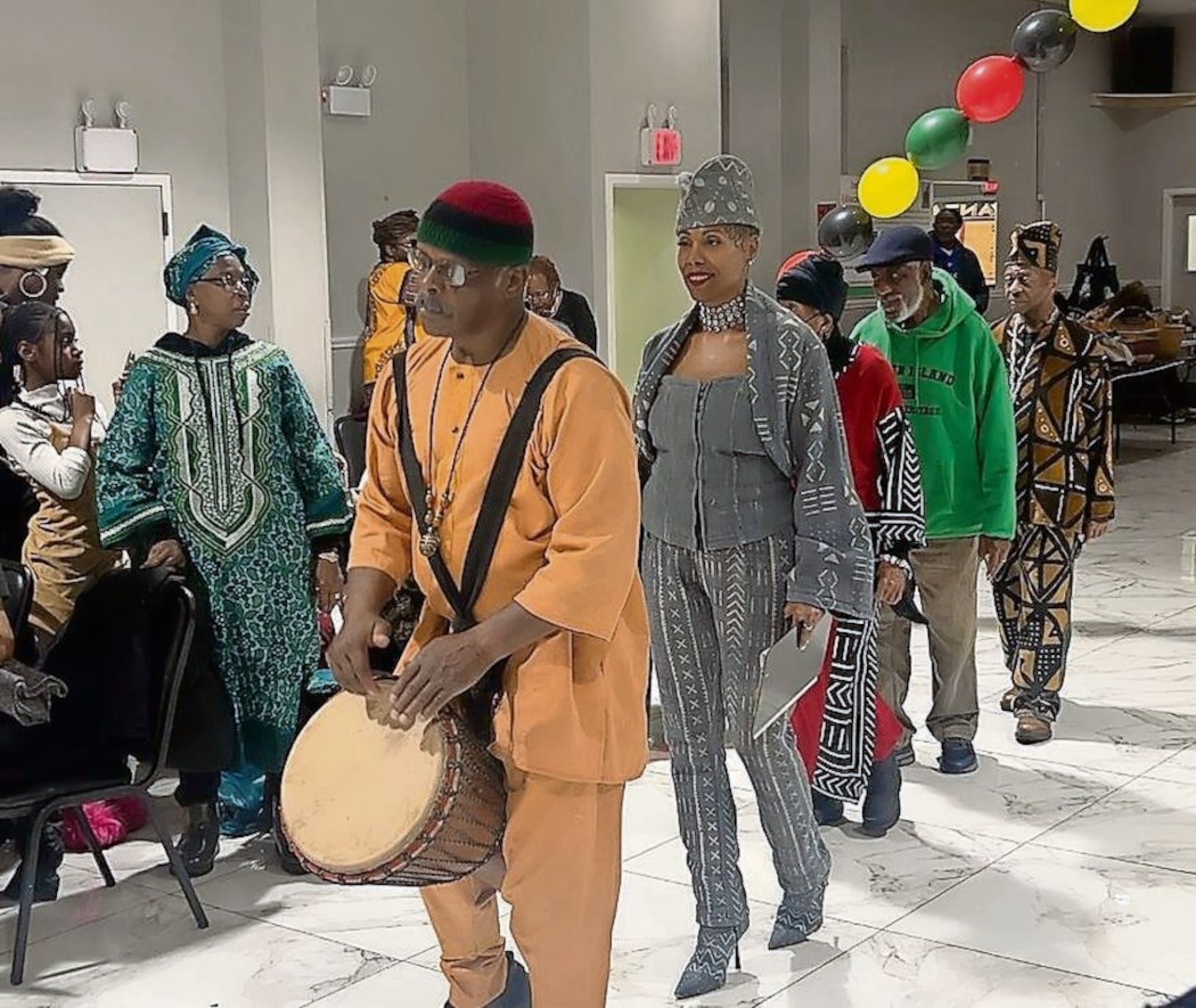 Pictured are community members gathered at the Central Family Life Center to celebrate Kwanzaa. Hosted by Roc-A-Natural Cultural Foundation Inc., the event welcomed families to honor the culture, history, and traditions of the holiday. (Courtesy Dorcas Meyers)(Courtesy Dorcas Meyers)About Roc-A-Natural Cultural Foundation Inc.
Roc-A-Natural Cultural Foundation Inc. is dedicated to community uplift through year-round service, arts programming and cultural celebration on Staten Island’s North Shore.
The organization supports the beautification and revitalization of Tappen Park–Stapleton through its TappenTeers at Work initiative, which provides park cleanups and horticulture projects during the spring, summer and fall.
Roc-A-Natural also promotes cultural connection and neighborhood pride through public arts and heritage events, including Arts in the Park at Tappen Park in 2025, with the next installment scheduled for May 2026.
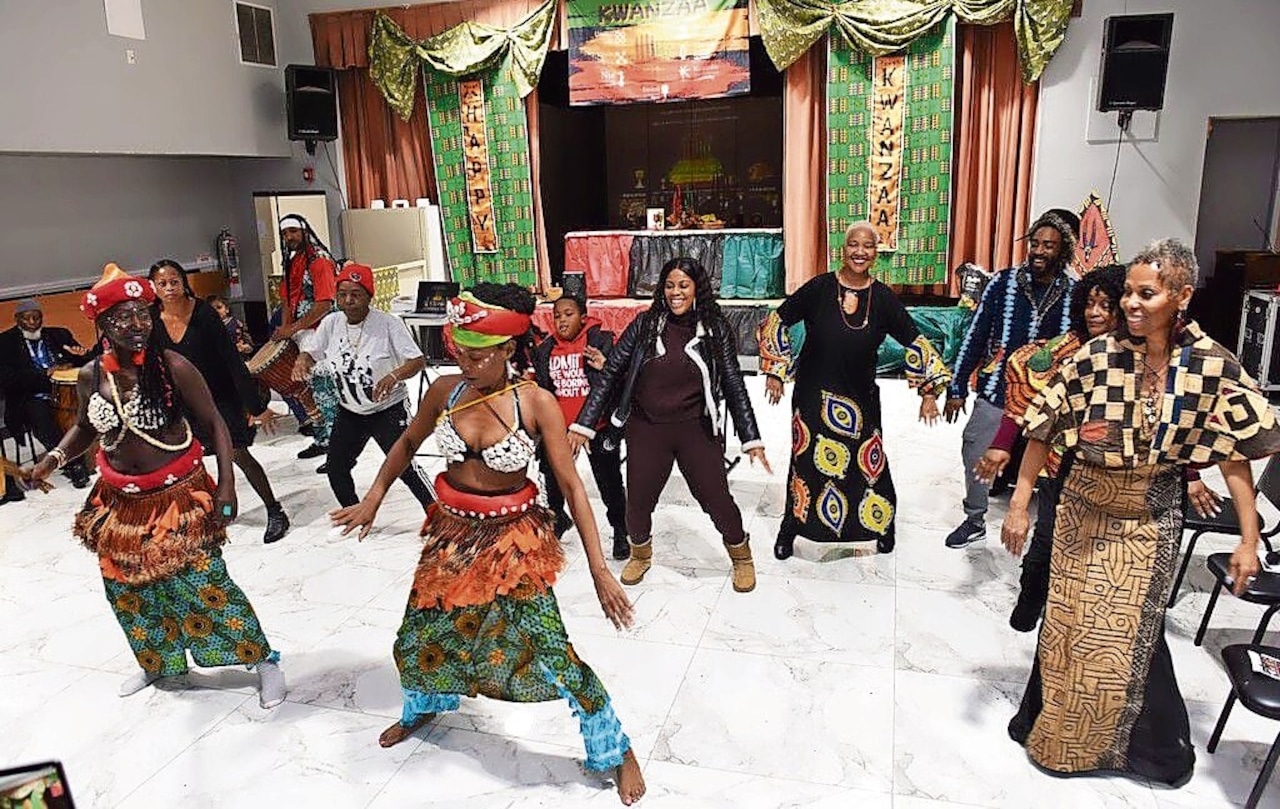 in 2023, Roc-A-Natural Cultural Foundation Inc. hosted a performance on the first night of Kwanzaa — focused on umoji or unity — at the Central Familiy Life Center in Stapleton. (Steve White for the Staten Island Advance)(Steve White for the Staten Island Advance)
Annual celebrations hosted by the foundation include the Juneteenth Freedom Parade and Festival at Tappen Park in 2025, returning in June 2026; the Fall Freedom Festival at Tappen Park in 2025, with the second event planned for October 2026.
There was also a Kwanzaa Celebration—Unity in the Community — at the Central Family Life Center in 2025, set to return in December 2026.
In addition, the organization hosts the Freedom Ball fundraiser to support youth education and community awareness of Freedom Day through historical reenactments and its living history Freedom Parade, featured during the fifth annual Juneteenth Freedom Parade and Festival in 2025 and continuing in 2026.