
New York, NY —
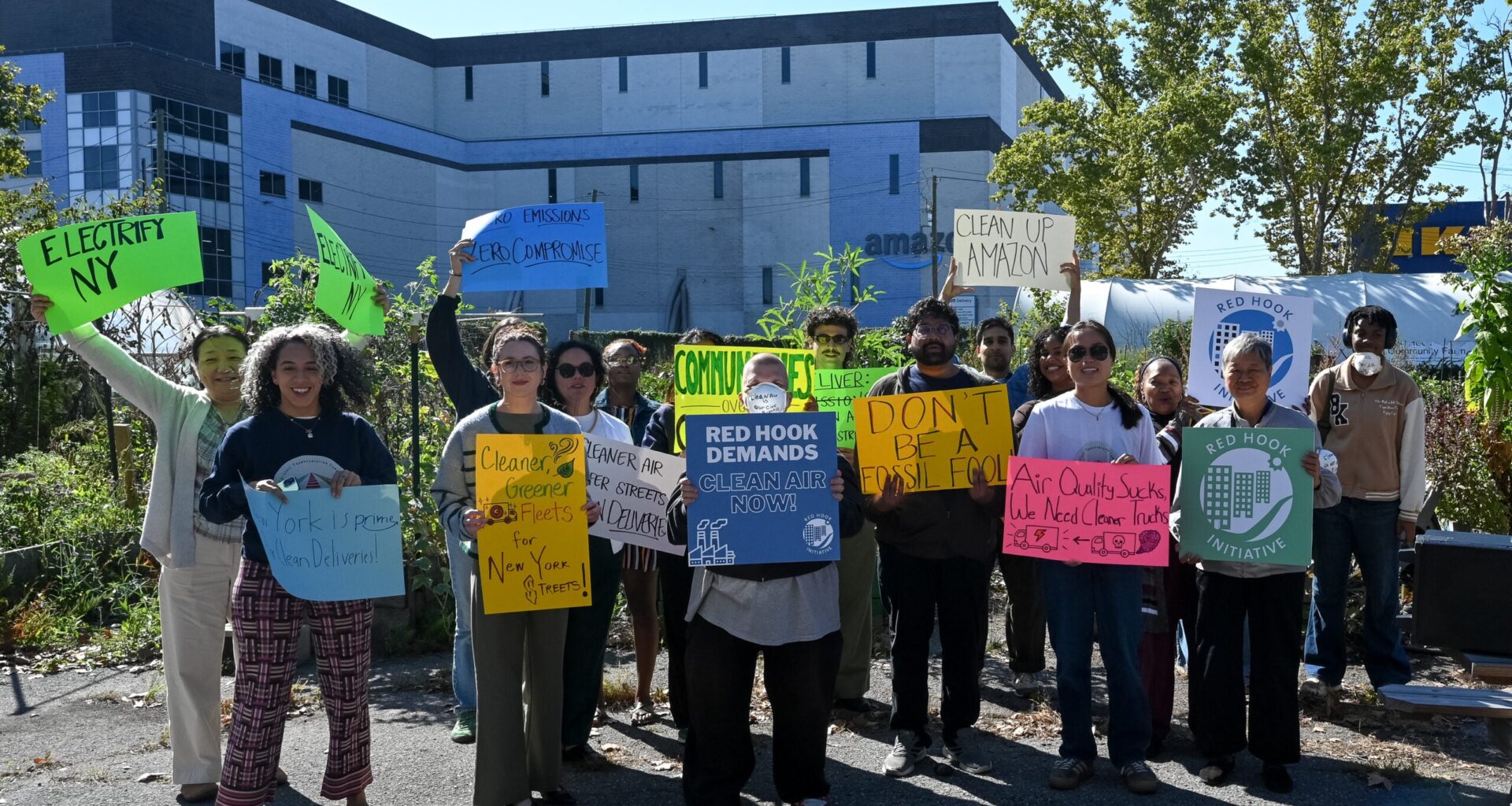
This Tuesday, the New York State (NYS) Senate passed the Clean Deliveries Act (S1180-B / A3575-B) for a third year in a row. Now, the NYS Assembly must pass this commonsense legislation that will address the toxic air caused by corporate polluters. High pediatric asthma rates and premature deaths are linked to poor air quality due to increased diesel truck traffic to and from mega-warehouses. The Clean Deliveries Act has garnered statewide support as it provides a necessary and flexible roadmap for cleaner air from e-commerce mega-warehouse operations and paves the way for a future without haze, diesel fumes, and climate pollution.
Despite opposition from fossil fuel industry trade groups, the policy has shown success in states like California, where warehouses and businesses have complied by modifying their operations towards zero emissions and have continued to grow successfully.
The following statement is attributed to the ElectrifyNY Coalition:
“As the federal government weakens environmental protections, now more than ever, states need to step up to protect their communities. The Clean Deliveries Act is commonsense legislation that will clean the air in heavily polluted communities and mega-warehouses, while delivering zero-emission and flexible regulations that the warehouse operators can implement without losing business. In fact, in warehouse zones in California, businesses have continued to thrive while complying with similar policies. With one in four New Yorkers living within a half mile of a mega-warehouse, the Assembly must take bold action to tackle this public health threat and keep New York on pace to meet its climate mandates.”
About ElectrifyNY:
ElectrifyNY is a statewide coalition of advocates for environmental justice, public transportation, social justice, and good jobs fighting for a clean, equitable electric transportation future for New York. Our work aims to improve the environment and public health outcomes for the communities most affected by the negative impacts of the transportation sector’s dependency on fossil fuels.