
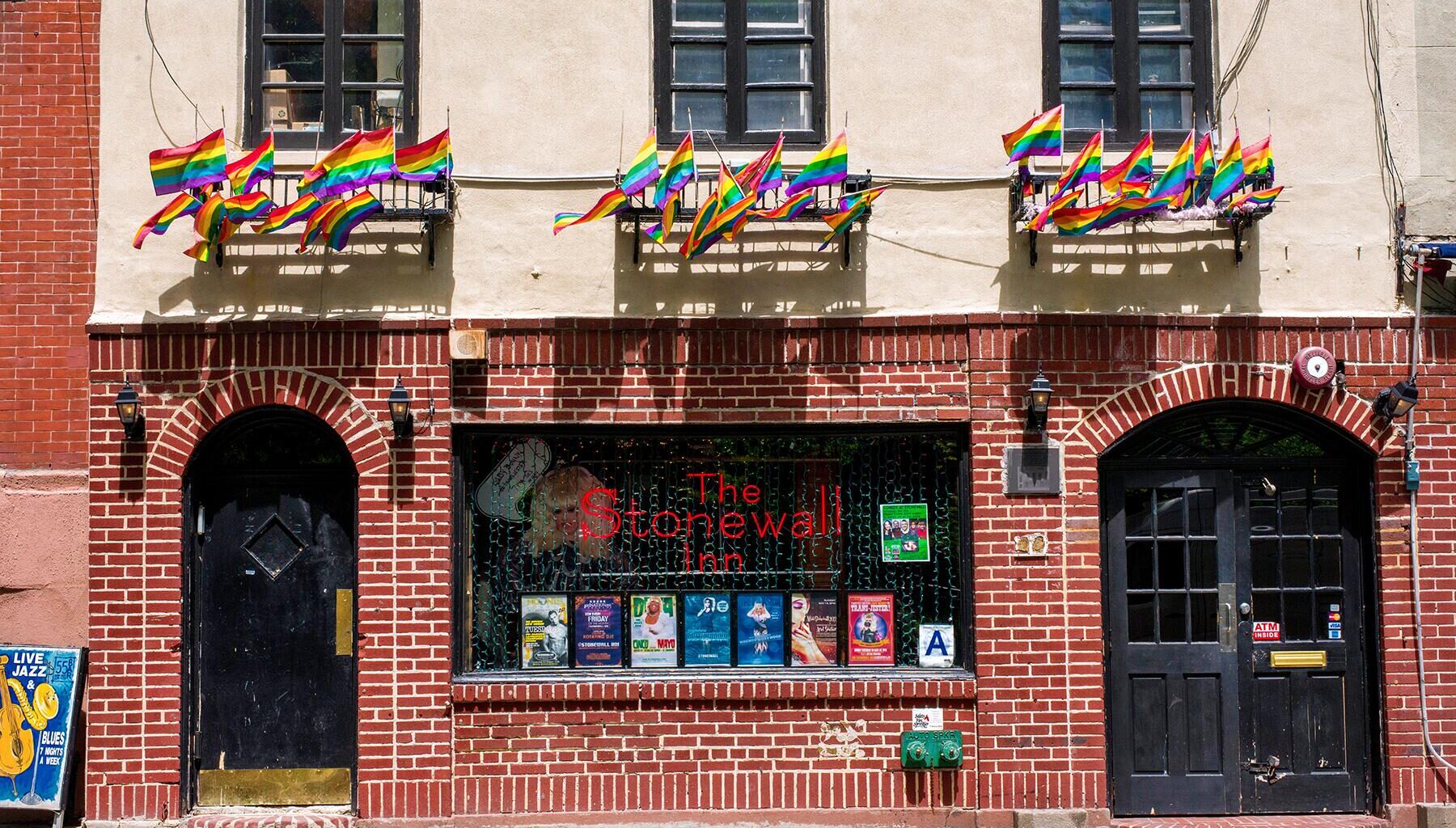
The Trump administration removed the Pride flag from New York’s Stonewall Monument, prompting protests and criticism from local leaders and LGBTQ+ advocates.
In a new blow to LGBTQ+ rights, the Trump administration removed the Pride flag—a rainbow symbolizing diversity and peace—from the Stonewall National Monument in New York. The quiet removal over the weekend was first reported by Gay City News, and the news quickly drew backlash and criticism.
Officials pointed to an official memo as the reason for the change. In January, the Department of the Interior (DOI) issued guidance on displaying non-agency flags, specifying, “only the U.S. Flag, flags of the DOI, and the POW/MIA flag will be flown by the NPS [National Park Service] in public spaces.” It also offered exemptions for flags that provide historic context, but the Stonewall flag was taken down despite its history.
The National Park Service (NPS) said in a statement that the removal was consistent with the guidance in the memo, adding “only the U.S. flag and other congressionally or departmentally authorized flags are flown on NPS-managed flagpoles, with limited exceptions.”
Stonewall National Monument is an important landmark in the history of LGBTQ+ rights. In 1969, police raided the Stonewall Inn, an iconic gay bar, and the community fought back against discrimination with protests over the following six days. These events marked a new era for LGBTQ+ rights in the U.S. and beyond and shaped modern activism. Former President Barack Obama designated Christopher Park, across from the Stonewall Inn, as the site of the first national monument honoring the legacy and struggles of the LGBTQ+ community. Pride flags have flown at the monument in recent years.
Continue Reading Article After Our Video
Recommended Fodor’s Video
The park’s website also acknowledges the significance of the Civil Rights Movement: “The Stonewall Uprising on June 28, 1969, is a milestone in the quest for civil rights and provided momentum for a movement.”
As an international symbol of gay rights, the move has drawn strong reactions from activists and leaders. Locals protested the removal on Tuesday, while elected officials condemned what they described as an attempt to rewrite history.
Manhattan Borough President Brad Hoylman-Sigal confirmed that the Pride flag was removed over the weekend but promised it would be raised again. “They cannot erase our history,” he said in a social media post.
New York Mayor Zohran Mamdani also shared his outrage on X, saying, “New York is the birthplace of the modern LGBTQ+ rights movement, and no act of erasure will ever change, or silence, that history.”
Senate Minority Leader Chuck Schumer also called on the administration to reverse its action. He said on X, “New Yorkers are right to be outraged, but if there’s one thing I know about this latest attempt to rewrite history, stoke division and discrimination, and erase our community pride it’s this: that flag will return. New Yorkers will see to it.”
Related: A Running List of Countries Issuing U.S. Travel Advisories
There has been a barrage of changes affecting how minorities are represented and protected in the country since 2025. The administration has issued directives based on its political ideologies to appease conservative supporters, reversing years of efforts aimed at promoting diversity and inclusion.
Shortly after taking office for his second term, President Donald Trump issued a directive stating that the federal government would recognize only two genders: male and female. References to transgender, intersex, and queer people were removed from government websites—including the Stonewall Monument site—and the acronym was shortened from LGBTQ to LGB. Other legal protections for the transgender community were rolled back, including directives affecting military service, access to gender-affirming care, and participation in school athletics. U.S. consulates and embassies around the world also removed non-U.S. flags, including Pride and Black Lives Matter flags, following an order from the State Department.
Another major shift involved the reversal of diversity policies. President Trump signed an order ending diversity, equity, and inclusion initiatives in the federal government, and many companies followed by eliminating their own programs, including Boeing, Amazon, Deloitte, Target, Google, and Meta.
The administration has also made changes at cultural institutions. In January, a slavery exhibition at the President’s House in Independence National Historical Park in Philadelphia was dismantled following orders from the president. Last year, the administration ended free entry to national parks on Juneteenth and Martin Luther King Jr. Day. The White House also did not hold a celebration marking Juneteenth, the federal holiday commemorating the end of slavery in the U.S. on June 19, 1865.