
STATEN ISLAND, N.Y.—For Christopher “Paratrooper” Maloney, owner of Paratrooper Produce in Huguenot, winter isn’t just a season—it’s a test of endurance. He’s been delivering fruits and vegetables across Staten Island long enough to know that cold weather changes everything.
“On days like today, when it’s single digits or close to it, the inside of the truck is warmer than the outside,” he said, explaining that lettuce and herbs like parsley and cilantro are especially persnickety in winter. Their delicate leaves freeze fast. Tropical fruits have an even rougher time. They’re used to warm climates and don’t tolerate temperature swings. Avocados and bananas turn black, basil does too and pineapples are a disaster. Oranges survive it; pineapples don’t stand a chance.
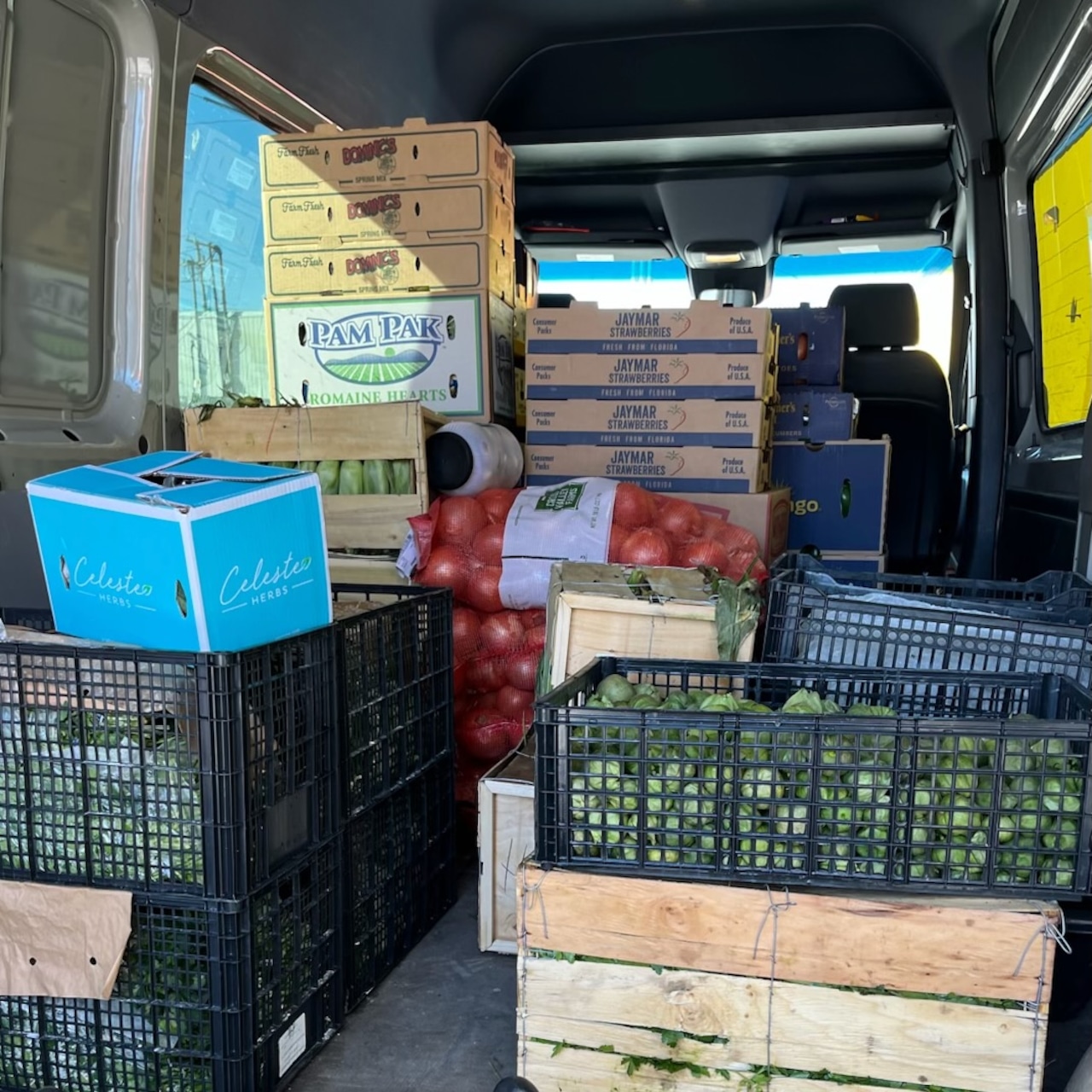 Even in single‑digit cold, Paratrooper Produce of Tottenville keeps the restaurant industry alive and moving.(Advance/SILive.com. | Pamela Silvestri)
Maloney runs three refrigerated trucks, each one essential in weather like this. “In the winter, when you open the door, the cold stays in there. In the summer, you open it and the humidity hits you like a sauna and kills the product,” he said. “We use our trucks differently in winter than in summer. In the winter, the natural heat gets pushed out. The refrigerated cold keeps everything stable.”
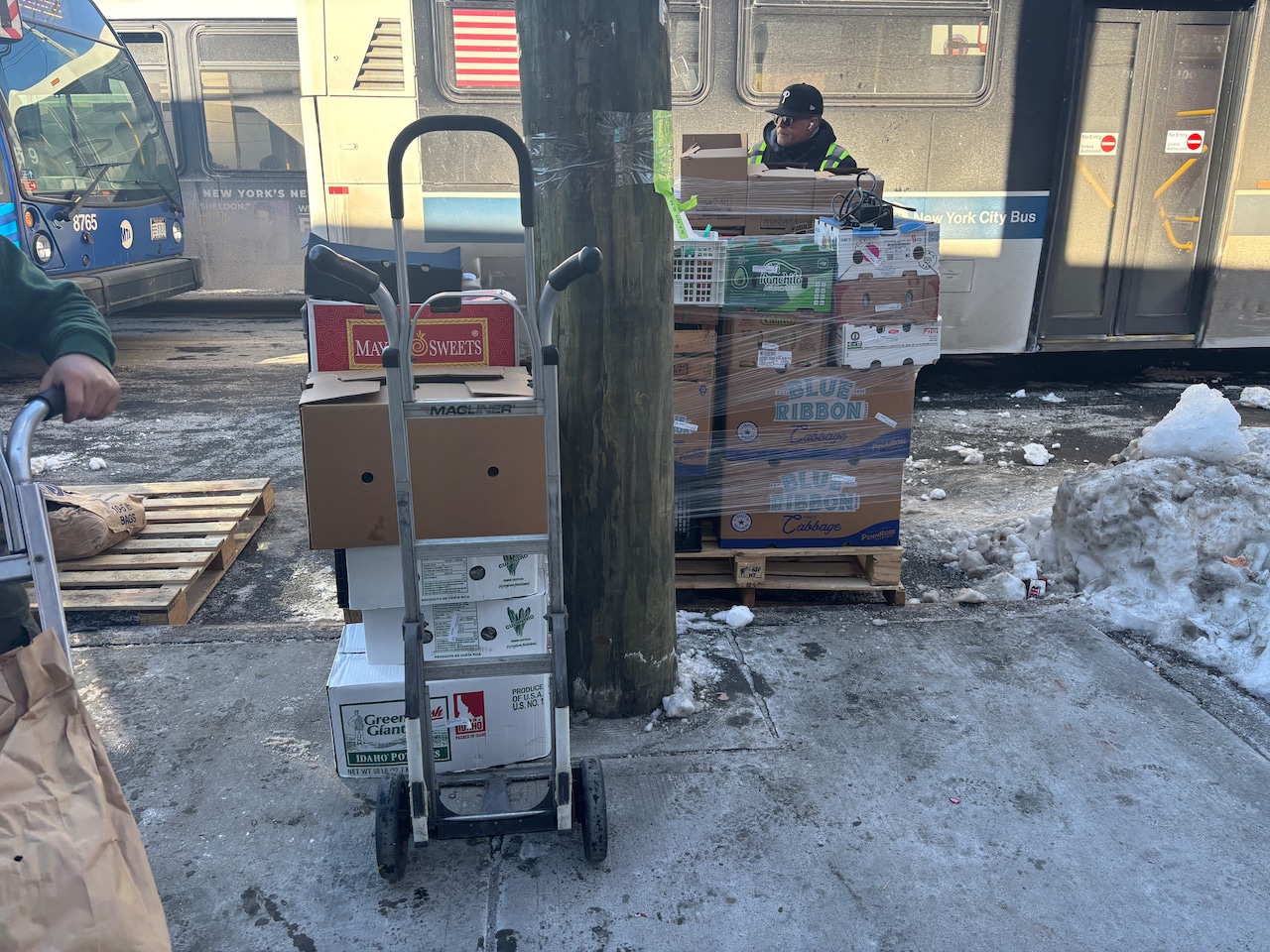
For drivers and delivery crews, the temperature swing is constant—stepping from winter air into a chilled warehouse, then into near-freezing storage rooms. The cold affects everything: how long trucks can stay open, how quickly product must be moved and how workers dress and pace themselves. It’s a logistical tango shaped by temperature, timing and the need to keep produce and seafood fresh from the loading dock to restaurant and market distributor.
Delivering in winter adds layers of complexity. Trucks must maintain stable temperatures, workers move more slowly on icy docks, packaging becomes fragile, and even minor delays can disrupt the tightly timed flow of goods. Nowhere is that more evident than at the New Fulton Fish Market at Hunts Point, one of the coldest commercial environments in the city. The massive indoor shed where vendors operate is kept at roughly 40 to 45 degrees—cold enough to protect seafood while still allowing workers and forklifts to move safely—while individual walk-in boxes drop even lower, typically 32 to 38 degrees, just above freezing.
The Occupational Safety and Health Administration (OSHA) doesn’t have a specific cold-weather standard, but under the General Duty Clause it requires employers to protect workers from cold-stress hazards. That includes training workers to recognize hypothermia and frostbite, providing proper protective gear, using engineering controls like heated shelters or windbreaks, scheduling warm-up breaks, monitoring weather and worker health and adjusting work practices as conditions change. Workers are encouraged to layer clothing, protect extremities, stay hydrated, take breaks to warm up and watch for symptoms such as shivering, numbness, confusion or reddened skin.
Maloney keeps his own system simple: layers on layers, lightweight and American-made. “You just layer up—one layer, two layers, three layers, put it on, and you’re good. Lightweight, easy, all made in America,” he said.
He also notes that modern-day delivery workers have it easier than their predecessors. Since the late 1700s, Hunts Point has grown from a handful of produce vendors on Manhattan’s cobblestones into the powerhouse that now feeds New York City—a historic market that moves millions of pounds of fruits and vegetables from around the world to the restaurants and grocers that keep the city running every day.
“In this kind of weather, I really don’t know how they did it back in the day,” Maloney said by phone as he continued over the Outerbridge into New Jersey, racing to get deliveries to restaurants by lunchtime.
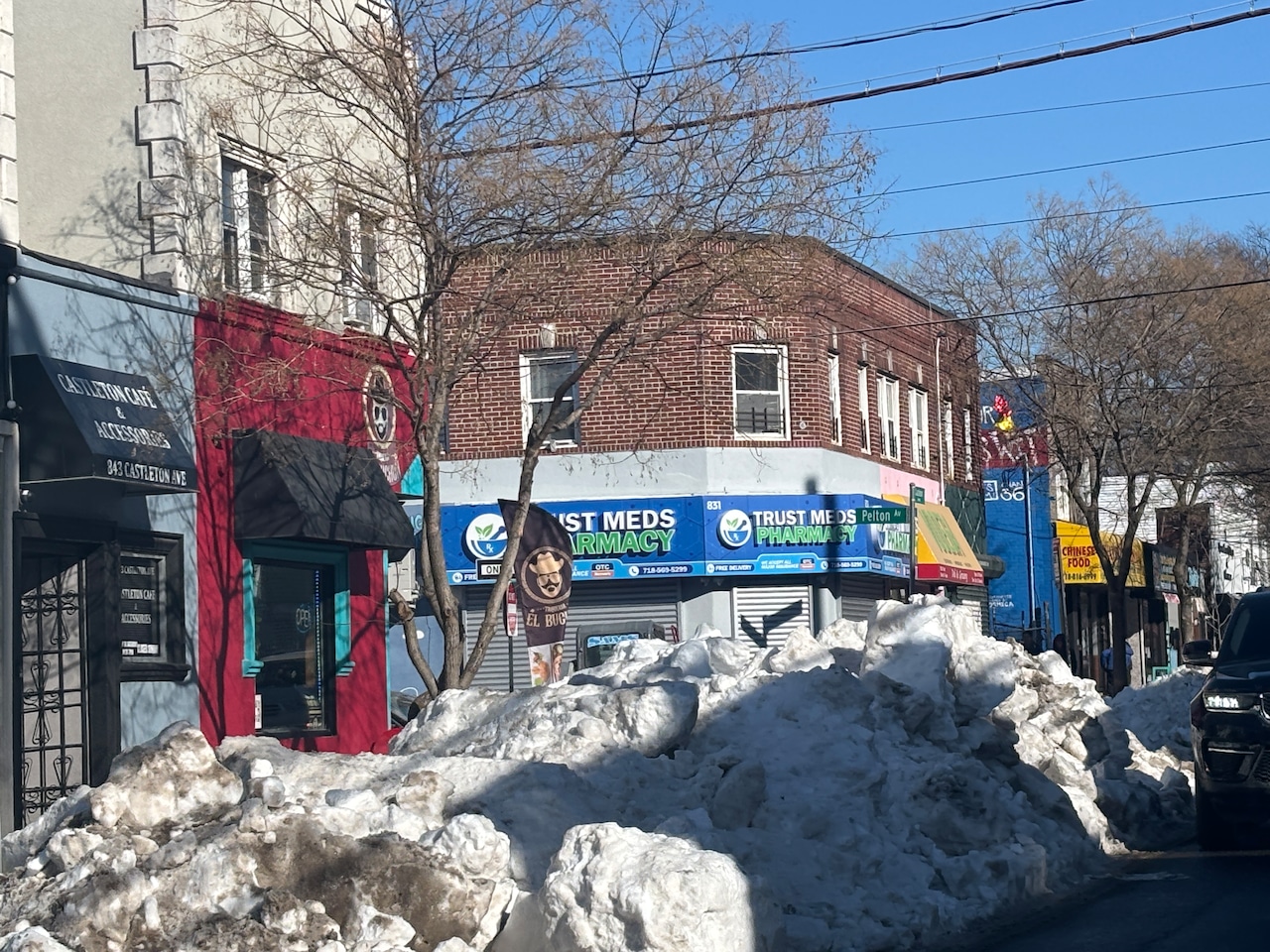
 Snowbanks choke Castleton Avenue down to one lane outside C‑Town, turning routine deliveries into a crawl.Restaurants feel the strain
For many Staten Islanders, snow brings an appetite—and a sudden crunch across the food-service industry. Behind every hot meal are delivery workers hauling fish, produce and beverages through some of the toughest winter conditions.
Pedro Canello, owner of Il Sogno in Annadale, says the snow creates challenges far beyond the kitchen: “It’s easier to park in Midtown than to get deliveries here on Staten Island with all the spots taken by the snow.”
Regarding major delivery days from his purveyors, Canello puts it bluntly: “Delivery day is something we all dread—and we even have a parking lot!”
At Marina Cafe, owner Rosemarie Saladino said her team has managed to keep the menu steady despite the weather. “We are lucky enough to have no issues with the menu. One issue was the timing of deliveries—some were coming late at night,” she said.
She added, “Unfortunately, the inconvenience of not getting products in a timely fashion is not something we can control, but we make the best out of the situation.”