
A Brooklyn community is fighting to turn a forgotten landmark into a heritage center.
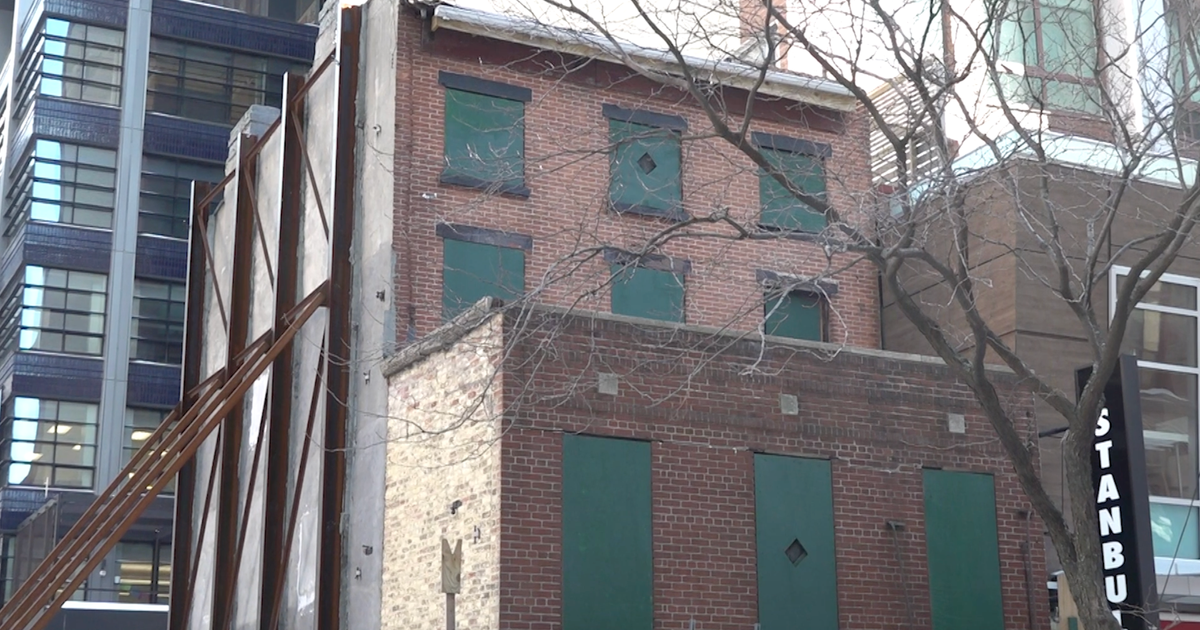
Amid the glassy skyscrapers of downtown Brooklyn stands a small brick reminder of a different century: a landmarked home at 227 Duffield St. that preservationists say embodies the borough’s fight against slavery.
The history of 227 Duffield St.
“This is not only African-American history, this is Brooklyn history. This is New York history,” said Melissa Gomes, board secretary of Friends of Abolitionist Place.
Images from the home’s basement show portions of 19th-century tunnels. Historians say the house is the only survivor of a row of homes with ties to the Underground Railroad and was owned by prominent abolitionists Harriet and Thomas Truesdell.
“We rely on oral histories, and we also rely on the archives themselves,” said Prithi Kanakamedala, a historian and author who has written about Brooklyn’s abolitionist movement. “A lot of folks in this time period were openly publishing their stories as sort of proud new Brooklyn residents, and sometimes they were hiding in plain sight.”
Slavery was officially abolished in New York state on July 4, 1827, a decade after the Legislature passed the abolition act.
“In the 1800s, this was a hotbed of abolitionist activity,” Kanakamedala said. “Slavery really did hold on for a very long time here in Brooklyn. One historian calls this place a slave-holding capital.”

Images from the basement of 227 Duffield St. in Brooklyn show portions of 19th-century tunnels.
Friends of Abolitionist Place
Saving Abolitionist Place
The home’s legacy was preserved by its last inhabitant, activist Joy Chatel, who fought to save it from seizure during the 2004 downtown Brooklyn rezoning.
“She was led into that fight when she received a note on her front door that stated this house was being confiscated by means of eminent domain,” said Shawne Lee, Chatel’s daughter and president of Friends of Abolitionist Place.
Chatel took the city to court and saved her home. She died in 2014 from respiratory issues that Lee believes were caused by mold and flooding from nearby construction.
“Our battle is now to become legal stewards for this home so we could apply for certain grants that will help refurbish it,” Lee told Brooklyn reporter Hannah Kliger.
Since its landmark designation in 2021, the city has co-named the street and a new adjacent park Abolitionist Place to honor the site’s legacy.
“It’s important and it’s been nearly erased. And it would have been completely erased, but for our effort,” said Raul Rothblatt, vice president of Friends of Abolitionist Place.

Amid the glassy skyscrapers of downtown Brooklyn stands a landmarked home at 227 Duffield St. that preservationists say embodies the borough’s fight against slavery.
CBS News New York
Dreams for landmark’s future
The building has sat locked and vacant for years, surrounded by gates and metal support beams.
“It feels like they’re waiting for it to crumble,” Gomes said. “We will be so heartbroken if this building did fall.”
Preservationists want to see the house fully restored and turned into a heritage center.
In a statement, a spokesperson for Mayor Zohran Mamdani said, “As our city enters a new era, acknowledging and honoring our city’s history will be a priority. We are eager to engage with stakeholders on 227 Abolitionist Place.”
“To me, it represents the resilience of the people,” Lee said. “It’s like a David and Goliath, and it’s still standing.”
For now, the house stands amid newer giants, protected but fragile, waiting for its next chapter.
Have a story idea or tip in Brooklyn? Email Hannah by CLICKING HERE.