
by Olivia Young
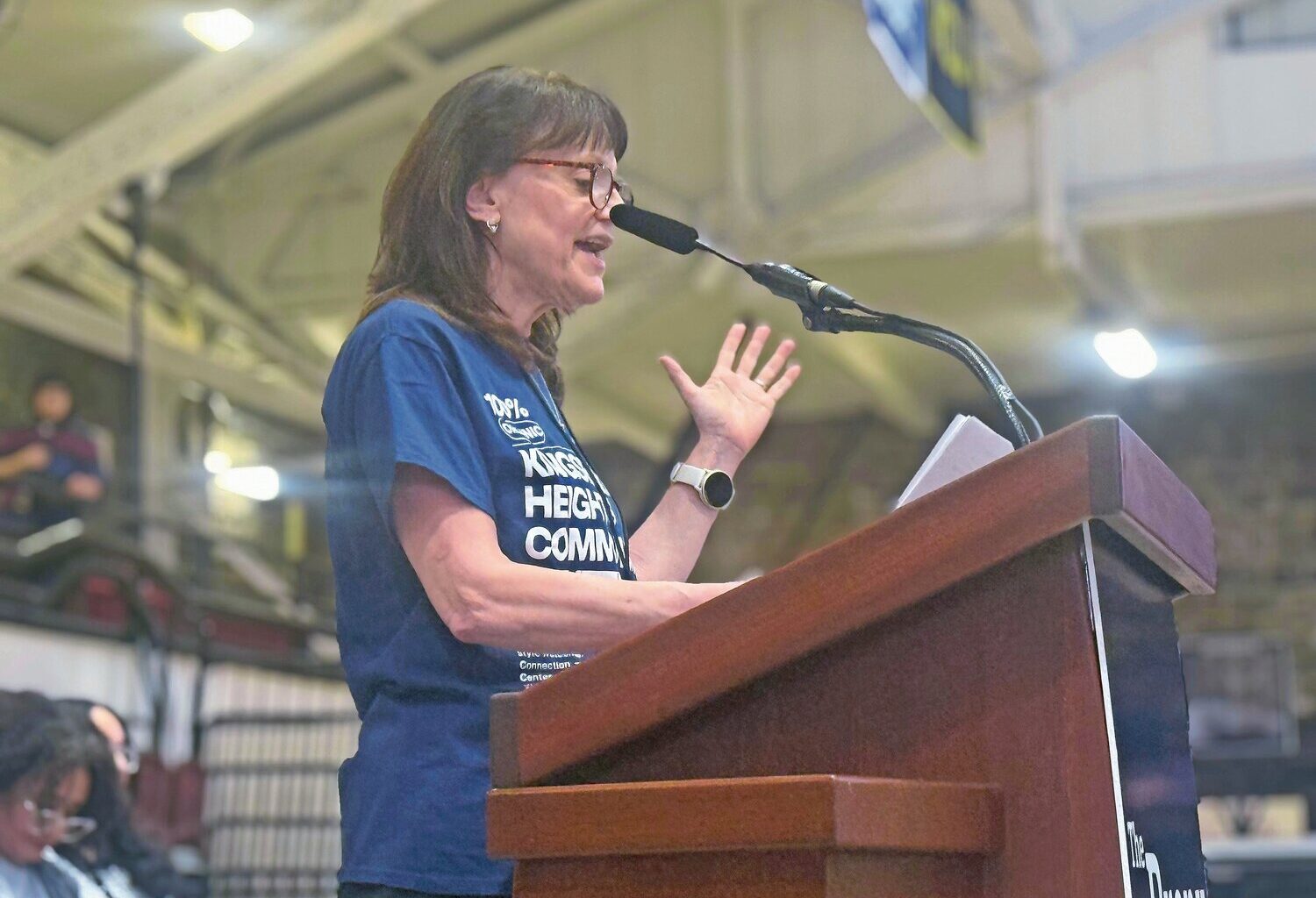
Two local organizations — nonprofit Kingsbridge Heights Community Center and not-for-profit Mosholu Montefiore Community Center — joined over 50 others on Feb. 5 to establish a coalition aimed at highlighting much-needed policy change in the Bronx.
The partnership spans churches, mosques, nonprofits and other community-based groups who together drew in nearly 1,900 people for the founding assembly at Fordham University. Several key goals united them: truly affordable housing, improved mental health care services, safer streets, and better schools and employment opportunities.
They chose to name the coalition “Bronx First.” For too long, the borough has fallen lowest in statewide rankings of poverty and health outcomes, speakers explained, and it’s time to move the Bronx’s needs to the forefront.
Bronx First was spearheaded by Metro Industrial Areas Foundation, the tri-state chapter of a large network of faith and community-based organizations that help others organize and make local change. The foundation will support the new alliance by helping to establish their agenda, and facilitating connections with politicians.
Kingsbridge Heights Community Center was founded in 1974, and looks to better the community through food drives and nutrition education, as well as wraparound services for families, children and survivors of sexual abuse.
CEO Raye Barbieri said mental health is fundamental to improving a neighborhood, and the system in place is failing Bronxites. She pointed to the anxiety and depression that many residents carry with them in their daily lives, unable to get adequate care due to insurance delays or language barriers.
“You often can’t get the support you want or need until you’re in real danger,” Barbieri said. “That’s not real care. The Bronx deserves better.”
Mosholu Montefiore Community Center serves over 35,000 kids and adults each year through afterschool and education programs, preventative services and other support initiatives.
CEO Rita Santelia told The Press forming the coalition took about two years of planning, and was an effort she once thought was impossible until she began meeting with like-minded organizations facing the same hurdles.
Residents and elected officials listened, she said, but they didn’t prioritize a single voice. For real, tangible action, Mosholu needed to band together with other Bronx organizations to amplify the borough’s needs.
Bronx First plans to meet in early March, and begin discussing an action plan. The change won’t come overnight, but it’s a step forward, Santelia explained.
“Numbers do count, and our voices will count if we stand together,” she said.