
A previously undocumented Underground Railroad site has been discovered inside the 1832 Merchant’s House Museum in Manhattan, revealing what researchers say is the earliest known location of Underground Railroad activity in New York City.
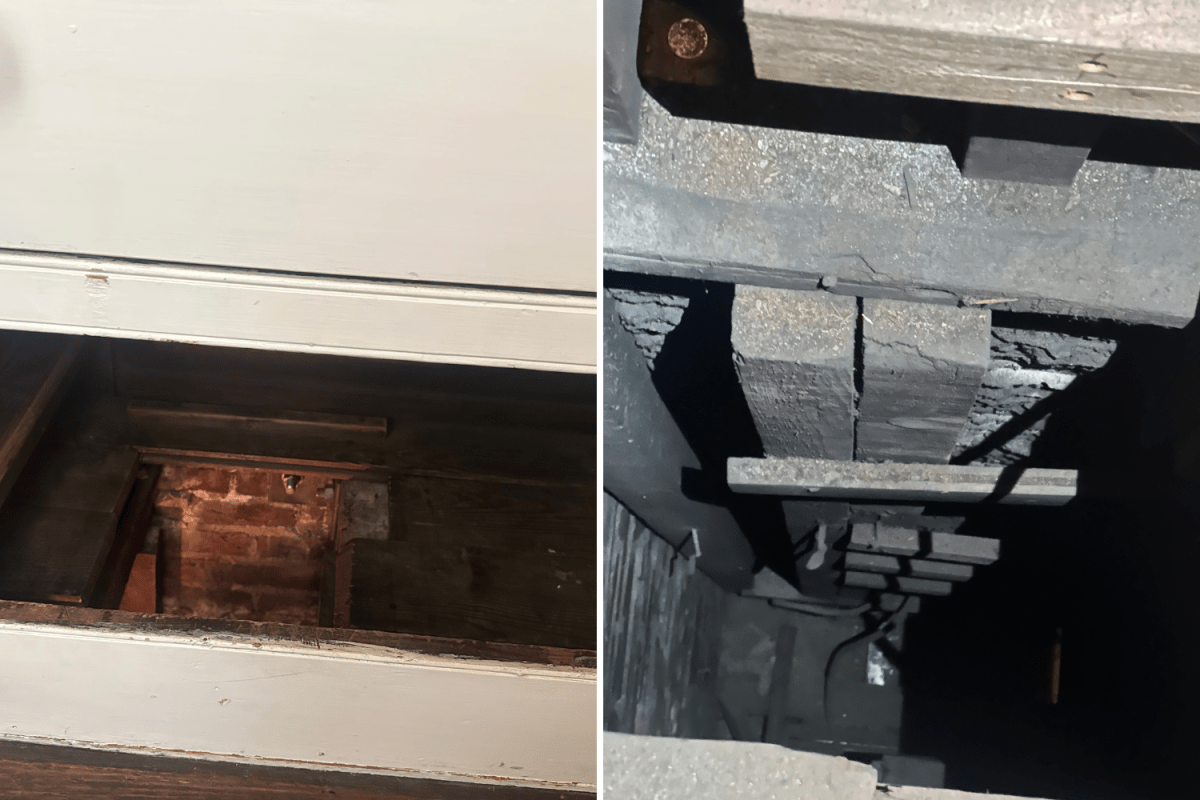
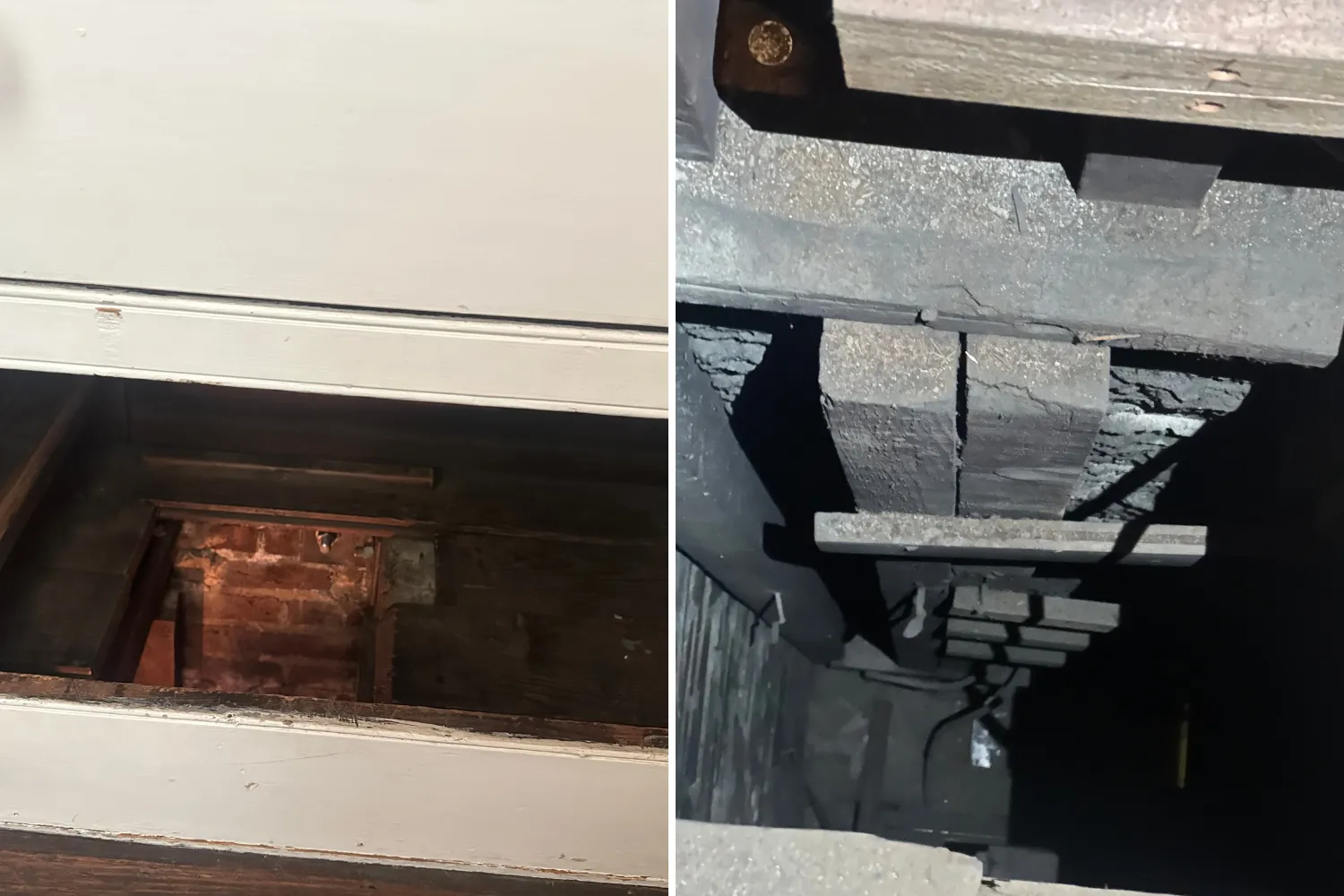
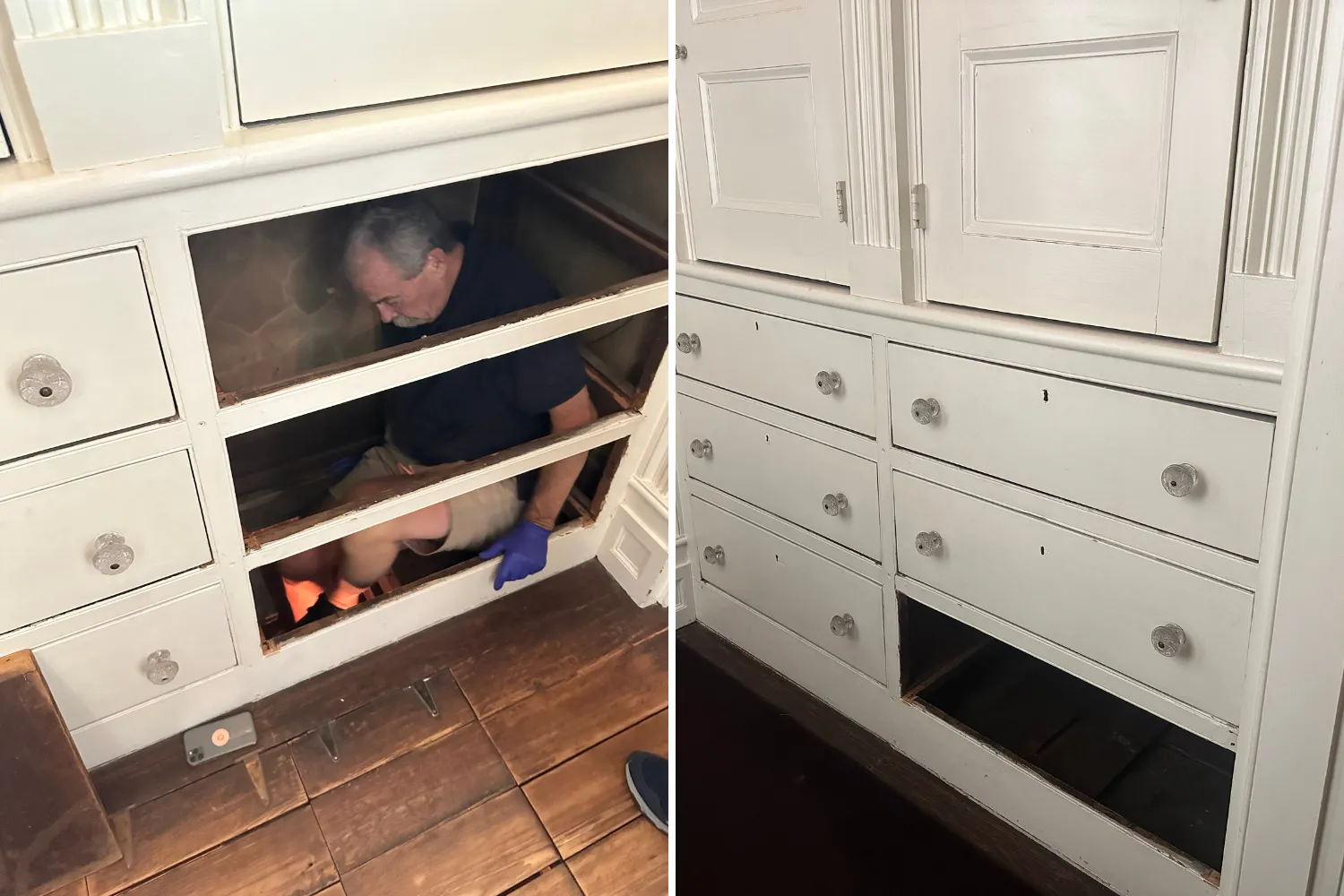
The discovery centers on a concealed passageway hidden beneath a built‑in chest of drawers on the second floor of the East 4th Street landmark. The narrow opening, measuring roughly two feet square, descends 15 feet to the ground floor.
Researchers say the passageway was constructed by abolitionist Joseph Brewster when the house was built in 1832, during a volatile period for anti‑slavery activism in the city.
Historians say intact physical evidence of the Underground Railroad is extremely rare, making the discovery significant both locally and nationally.
Architectural historian Patrick Ciccone said the survival of the passageway gives the Merchant’s House “additional magnitudes of incalculable historic significance,” noting how few physical traces of the Underground Railroad remain anywhere in the United States.
New York City Council Member Chris Marte said the find underscores New York’s often‑overlooked role in the abolitionist movement.
“Many New Yorkers forget that we were a part of the abolitionist movement, part of the Civil Rights movement,” Marte said. “This hidden passageway is physical evidence that really shows New York City’s connection to what happened in the south, what happened during the Civil War, and what’s still happening today.
Although New York State formally abolished slavery in 1827, researchers say the city remained deeply tied to the slave economy of the South in the decades that followed. During the late 1820s and early 1830s, New York City was largely pro‑slavery, and anti‑slavery activism carried serious risks.
Free Black New Yorkers led early abolitionist efforts, often facing violent opposition alongside white abolitionists. Safe houses operated in deep secrecy during this period, according to researchers involved in the discovery.
The passageway at the Merchant’s House is considered architecturally unusual, with experts saying no comparable hidden structures are known to exist in other New York homes from the 1830s.
The only other intact Underground Railroad shelter site in Manhattan is the Hopper‑Gibbons House in Chelsea, built later in 1840. That site is not open to the public.
By contrast, the Merchant’s House Museum is publicly owned city property and attracts thousands of visitors each year.
Since opening as a museum in 1936, the Merchant’s House has focused on the domestic life of a wealthy merchant‑class family and their Irish servants in the mid‑19th century.
With the newly identified passageway, museum officials say the site will expand its interpretation to include the abolitionist movement and the early Underground Railroad in New York City.
City officials and historians have emphasized the importance of preserving the space, describing it as a rare physical link to a largely hidden chapter of the city’s history.