
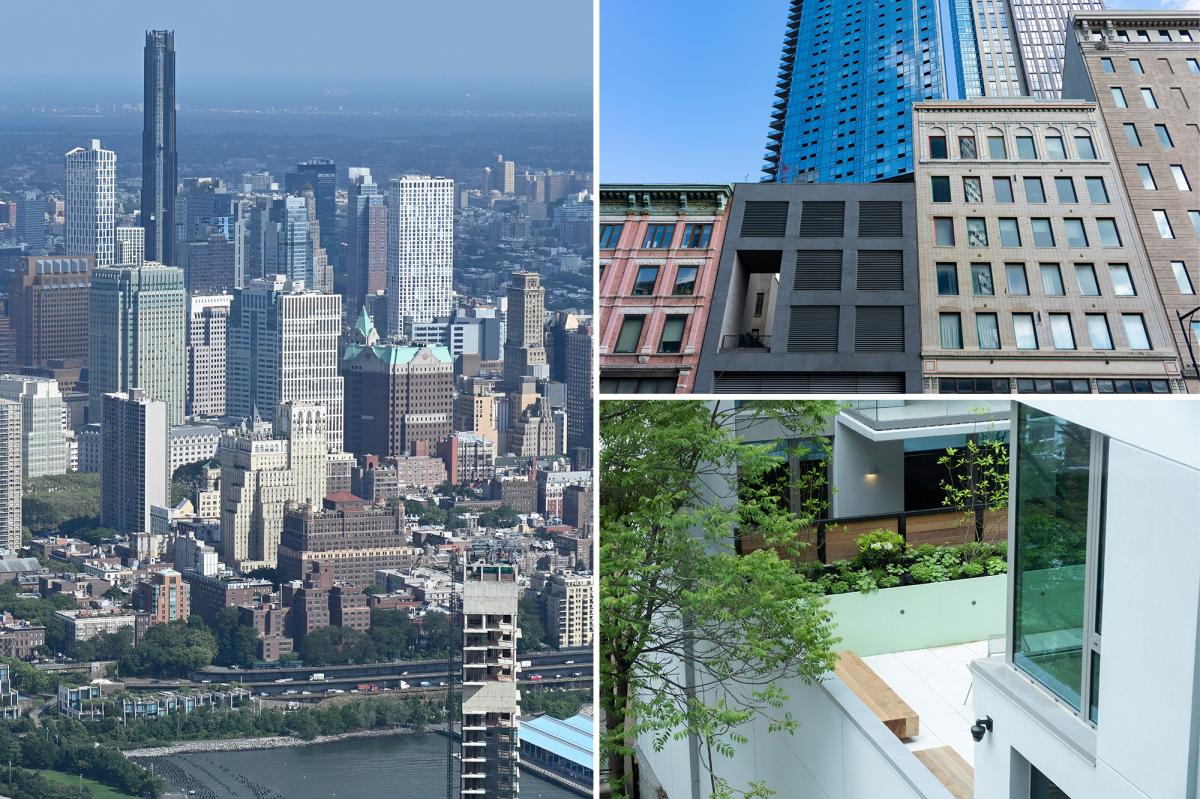
Brooklyn is known for brownstones, churches and — in recent years — lots of rental apartment construction.
When combined, Brooklyn and Queens became a larger rental market than Manhattan in 2025, with Kings County’s busy developers at the tip of the spear.
The data comes from StreetEasy’s most recent market report, which compiled the top 10 New York City neighborhoods for new rental construction. Powerhouse Brooklyn took seven out of 10 slots. Despite local growth, rental demand remains high, particularly in the oh-so desirable corners of the borough.
Central and South Brooklyn are hotbeds of new apartment construction. Paul Martinka
Luxury apartments are popping up in historic neighborhoods like Fort Greene and Boerum Hill. James – stock.adobe.com
New developments largely concentrated in Central and South Brooklyn yielded 9,875 units in January, according to StreetEasy. Housing-focused rezonings over the last two decades have paved the way for residential construction in growing enclaves like Gowanus and Crown Heights.
The growth arrives alongside a citywide dip in sales volume for multi-family buildings, Crain’s New York reported, as investors shy away from older, rent-stabilized buildings.
Downtown Brooklyn led the way in StreetEasy’s report with 214 new rental buildings constructed last year, followed by 213 in traditionally low-lying Gowanus. The two neighborhoods offered roughly equivalent median rents around $4,850.
Gowanus, once known for its stinky canal, is racking up high-end residences. Paul Martinka
Recently rezoned Gowanus is in the midst of a major rebrand, from polluted industrial site to developer-friendly hotspot. A brand-new rental tower there even secured a $25,000-a-month tenant this month.
The uptick in construction might just be following the lead of Long Island City, where keen-eyed developers flooded the market with new rentals before going all in on luxury condo towers.
New rental construction is slowly but surely changing the face of idyllic enclaves long known for their rows of historic townhomes. Fort Greene, Crown Heights and Boerum Hill rounded out the top five for new construction, where the median construction years still hover around the 1940s.
Sure signs of change have come in the form of a luxe high-rise marketed to childless couples in Park Slope, a $1 billion futuristic apartment tower coming to Gowanus and a buzzy 27-story church conversion in Fort Greene.
Vacancy rates across Brooklyn have stayed tight as would-be buyers wait out high costs and interest rates. lightphoto2 – stock.adobe.com
New developments in Brooklyn are often a mix of affordable housing and market-rate rentals. Gabriella Bass
Despite promising growth, would-be buyers camping out in the rental market have kept vacancy rates painfully low in Brooklyn. The borough’s January rental report by appraiser Miller Samuel documented a 15.5% decline in inventory year-over-year alongside a 9% median price hike. Local bidding wars reached a fever pitch last year, outpacing Manhattan and Queens at a whopping 32%.
By contrast, sales inventory expanded last quarter, according to the appraiser, and the borough’s median sales price of $990,000 stayed flat year-over-year.
While affordable housing carve-outs abound in Brooklyn’s rezoned neighborhoods, new developments often come at a premium to market-rate renters, StreetEasy noted, capitalizing on lifestyle-driven amenities that hike up prices.
Continued construction of new units could mean more landlord concessions for Brooklyn renters. Paul Martinka
A recent report by the Real Estate Board of New York revealed that new apartment construction is still falling short of what the city needs to solve its housing crisis, citing the lowest vacancy rate in more than 50 years and months of record-breaking rents.
While new rental buildings could have price hikes and luxury condos in store, there’s still good news for weary renters.
The borough’s expanded market share has churned out more rental concessions, according to StreetEasy. In Brooklyn, nearly 24% of rentals offered concessions in January, such as a month of free rent. That’s compared to a roughly 17% market share last year.
Across the East River, perks for Manhattan renters are few and far between, hovering around 20% in January.
StreetEasy’s market report also highlighted a surge of homes listed in January, supported by buyer demand and lowering mortgage rates. When paired with new supply, a more accessible condo market could bring Brooklyn renters some much-needed reprieve.