
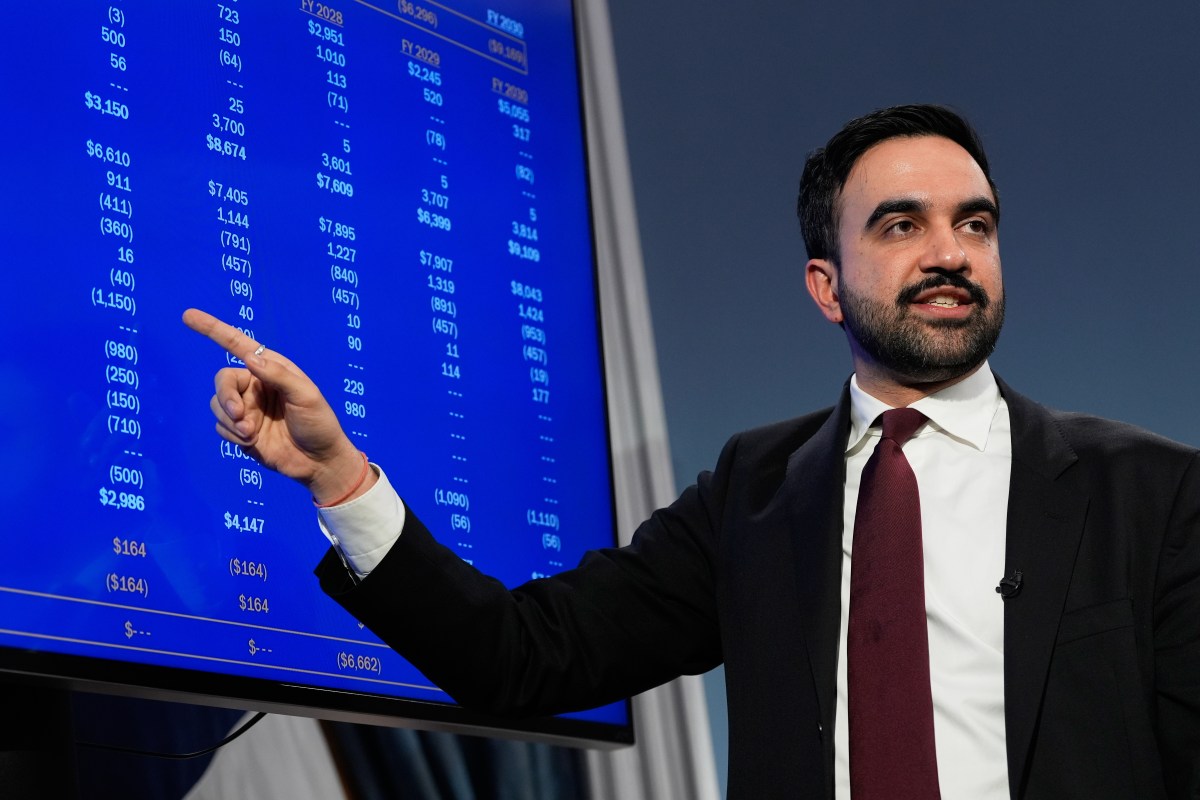
New York City landlords have strongly condemned Mayor Zohran Mamdani’s idea to increase property taxes as part of his $127-billion preliminary budget, warning that it might have disastrous consequences for those homeowners offering affordable housing in the city.
“Mayor Mamdani promised that he would fight for property tax reform to help overtaxed apartment buildings when he was on the campaign trail,” Kenny Burgos, CEO of the New York Apartment Association (NYAA), which represents a coalition of property owners and managers providing the majority of affordable multifamily housing in the state of New York, said in a statement shared with Newsweek.
“Now he is proposing an across the board tax hike that will drive thousands of rent-stabilized buildings into further bankruptcy,” he added.
Newsweek contacted Mamdani’s office by email on Wednesday morning for comment.
What Is Mamdani Proposing—and Why?
The preliminary budget unveiled by Mamdani this week for the next fiscal year, which begins in July, is framed around closing a projected $5.4-billion budget gap over the next two years which his administration says it inherited from the previous mayor.
It lays out two paths to balance the books. The one that the 34-year-old mayor would prefer relies on state‑level action and is centered around raising income taxes on New Yorkers earning more than $1 million a year and increasing corporate taxes.
But considering that Governor Kathy Hochul has publicly opposed new taxes on the rich, Mamdani’s budget also includes a fallback plan that would raise citywide property taxes by 9.5 percent, the first such increase since the early 2000s.
This move, which Mamdani is allowed to implement without state approval, is expected to generate an estimated $3.7 billion in annual revenue.
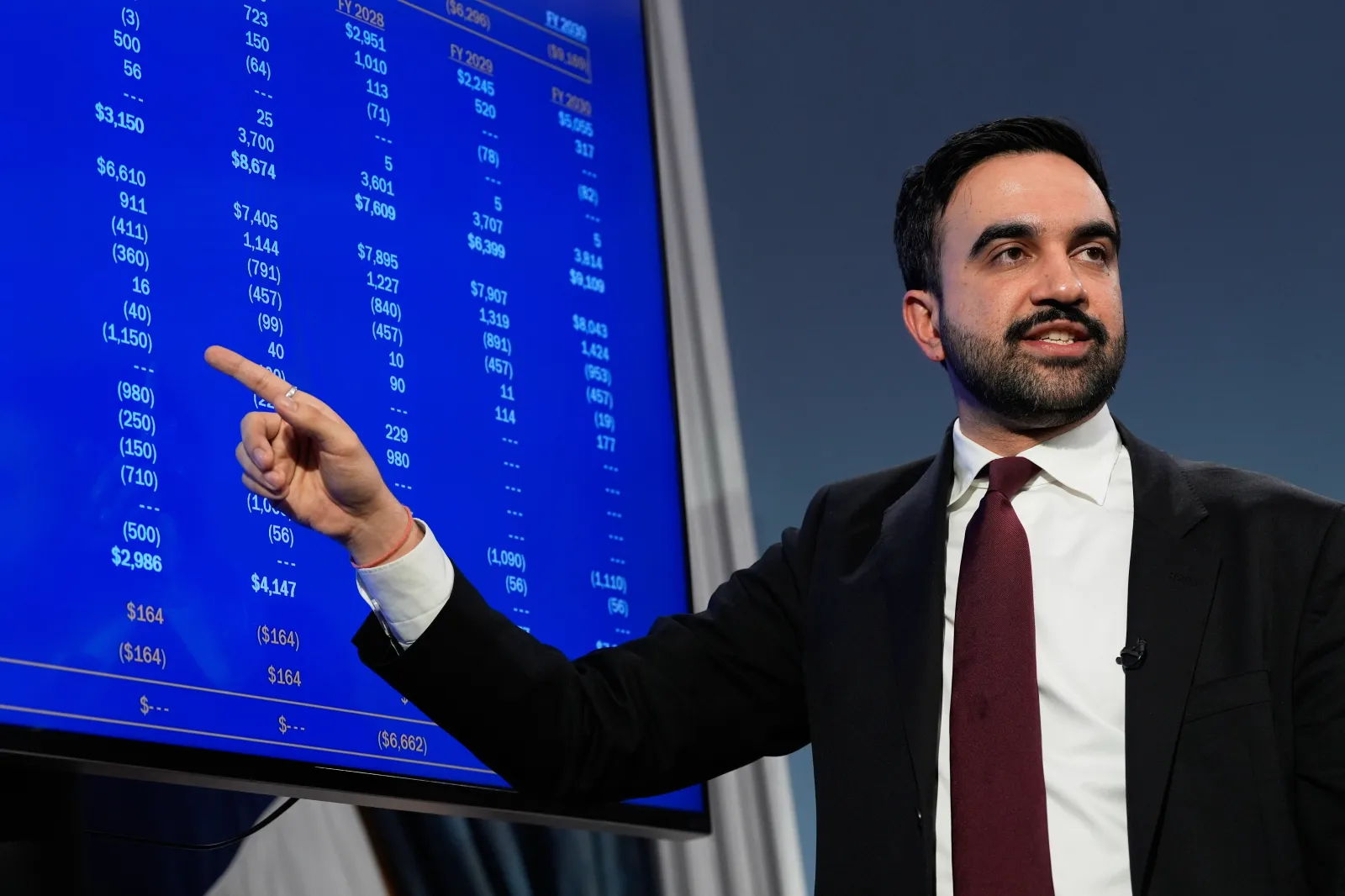
The self-proclaimed Democratic Socialist has admitted that the increase in property taxes could be painful for many New Yorkers, but it would be necessary to help close a projected $5.4-billion revenue shortfall over the coming two fiscal years, especially if the state does not introduce a new tax on millionaires.
Under the same budget proposal, the city would also draw roughly $1.2 billion from its “rainy day” fund and retiree health care reserves to bridge this gap.
“This is something that we do not want to do, and this is something that we are going to utilize every single option to ensure it does not come to pass,” Mamdani told reporters about the proposed property tax increase, as reported by Politico.
His statement, together with his campaign promises of redistributing wealth in New York City, suggest that the mayor is using a pretty unpopular property tax hike as leverage to force through the introduction of higher taxes on the wealthy.
Significant changes to Mamdani’s proposal are expected to be introduced before the City Council must adopt a balanced budget by the start of the next fiscal year on July 1.
How Much Do New Yorkers Pay in Property Taxes?
New York City already raises more revenue from property taxes than any other source of tax revenue, according to the New York City Independent Budget Office (IBO), with homeowners paying thousands of dollars a year on average. In fiscal year 2023, property taxes accounted for 44 percent of the city’s tax revenue collections.
A 2024 study from consulting firm Construction Coverage found that owner‑occupied households in New York City paid a median annual property tax bill between $6,000 and $7,000 in 2023, though the exact amount varied widely by borough, property type and tax class.
The current property tax rate for New York City homeowners is 12.28 percent; Mamdani is proposing to raise it to 13.45 percent. The nonpartisan think-tank Citizens Budget Commission, said that the proposed rate hike would lead to a bill increase of about $700 a year for the typical owner of a one-, two- or three-family home in the city.
How Does This Compare With The Rest of the Country?
Studies have shown that New York City households pay a median annual property tax bill higher than the typical U.S. household, which is roughly $2,700.
At the state level, New Yorkers also pay some of the highest property tax bills in the country, with an effective rate of 1.45 percent, according to SmartAsset, nearly double the national average of 0.89 percent.
How Is Mamdani’s Idea Being Received?
Mamdani has called for an across-the-board property tax hike on all buildings, including distressed rent-stabilized properties, which the NYAA and other city landlords believe would suffer irreparable damage from a potential increase.
“Roughly one-third of rent-regulated housing is already struggling due to rising costs, with property taxes the biggest expense. This proposal, coupled with Mamdani’s pledge to freeze rents for four years, virtually guarantees the physical destruction of tens of thousands of units of housing,” Burgos said.
“If the mayor truly cared about preserving regulated housing for the future, he would be fighting for tax reform, not using the city’s largest stock of affordable housing as a piggy bank.”
“The mayor has declared war on thousands of immigrant property owners, most of them multigenerational families, who have their entire life’s savings invested in their small buildings,” Ann Korchak, board president of Small Property Owners of New York, said in a statement reported by The New York Times.
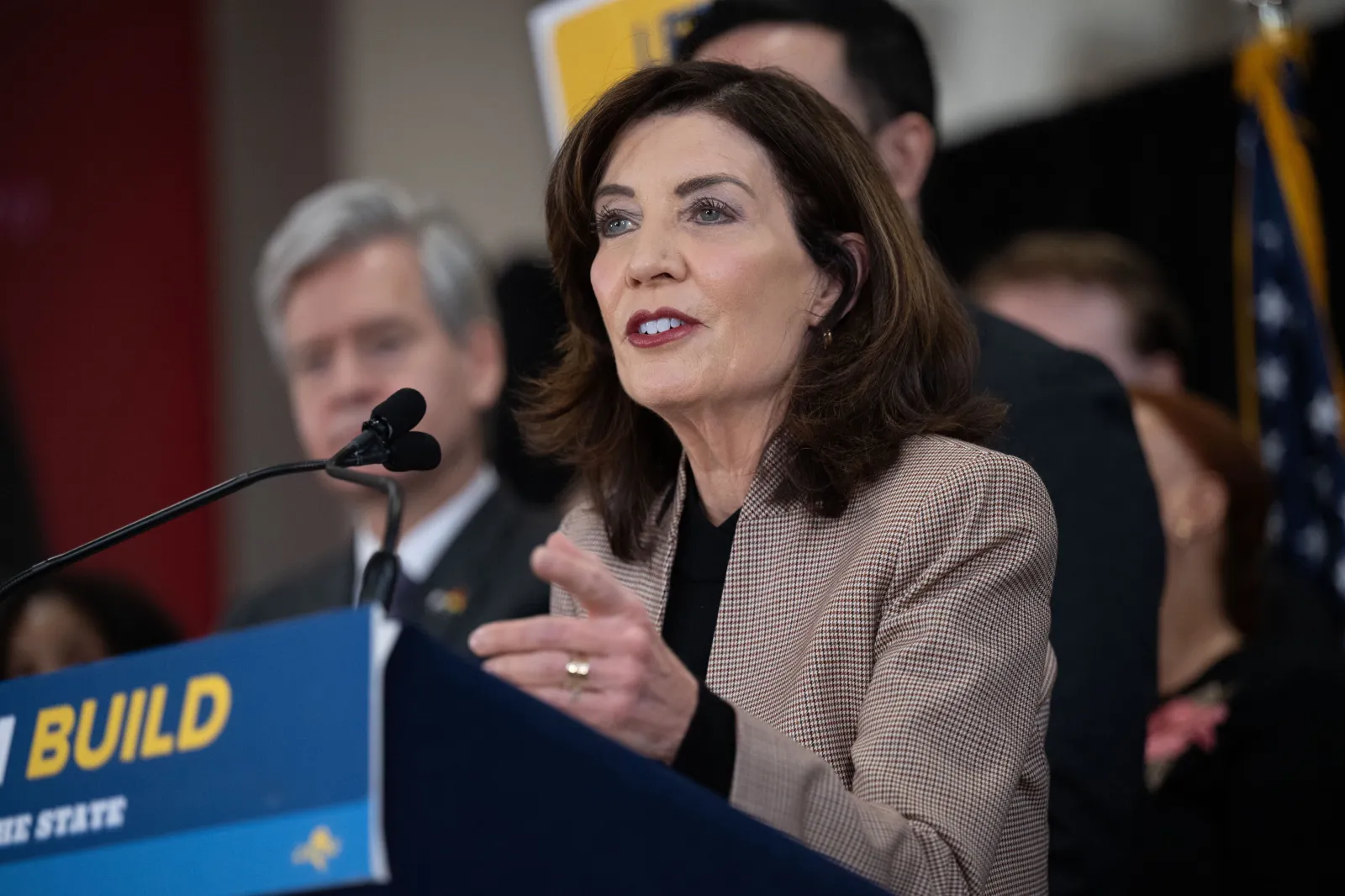
Crucially, state leadership is also against Mamdani’s hike proposal. Hochul, who is up for reelection this year, said she is “not supportive” of the idea.
“I don’t know that that’s necessary, but let’s find out what is really necessary to close that gap,” she told reporters at a press conference in Manhattan this week.
While Mamdani does not need Hochul’s approval to implement his idea, he does require the backing of the City Council, which is also uncertain.
City Council Speaker Julie Menin, blasted the proposal in a statement with Council Member Linda Lee, who chairs the chamber’s finance committee.
“At a time when New Yorkers are already grappling with an affordability crisis, dipping into rainy day reserves and proposing significant property tax increases should not be on the table whatsoever,” Menin said.

In a polarized era, the center is dismissed as bland. At Newsweek, ours is different: The Courageous Center—it’s not “both sides,” it’s sharp, challenging and alive with ideas. We follow facts, not factions. If that sounds like the kind of journalism you want to see thrive, we need you.
When you become a Newsweek Member, you support a mission to keep the center strong and vibrant. Members enjoy: Ad-free browsing, exclusive content and editor conversations. Help keep the center courageous. Join today.
