
Construction workers uncovered a large cast-iron cannon while restoring Queen’s Gardens in Hull. The cannon appeared on 13 February when CR Reynolds contractors were digging for a water storage tank.
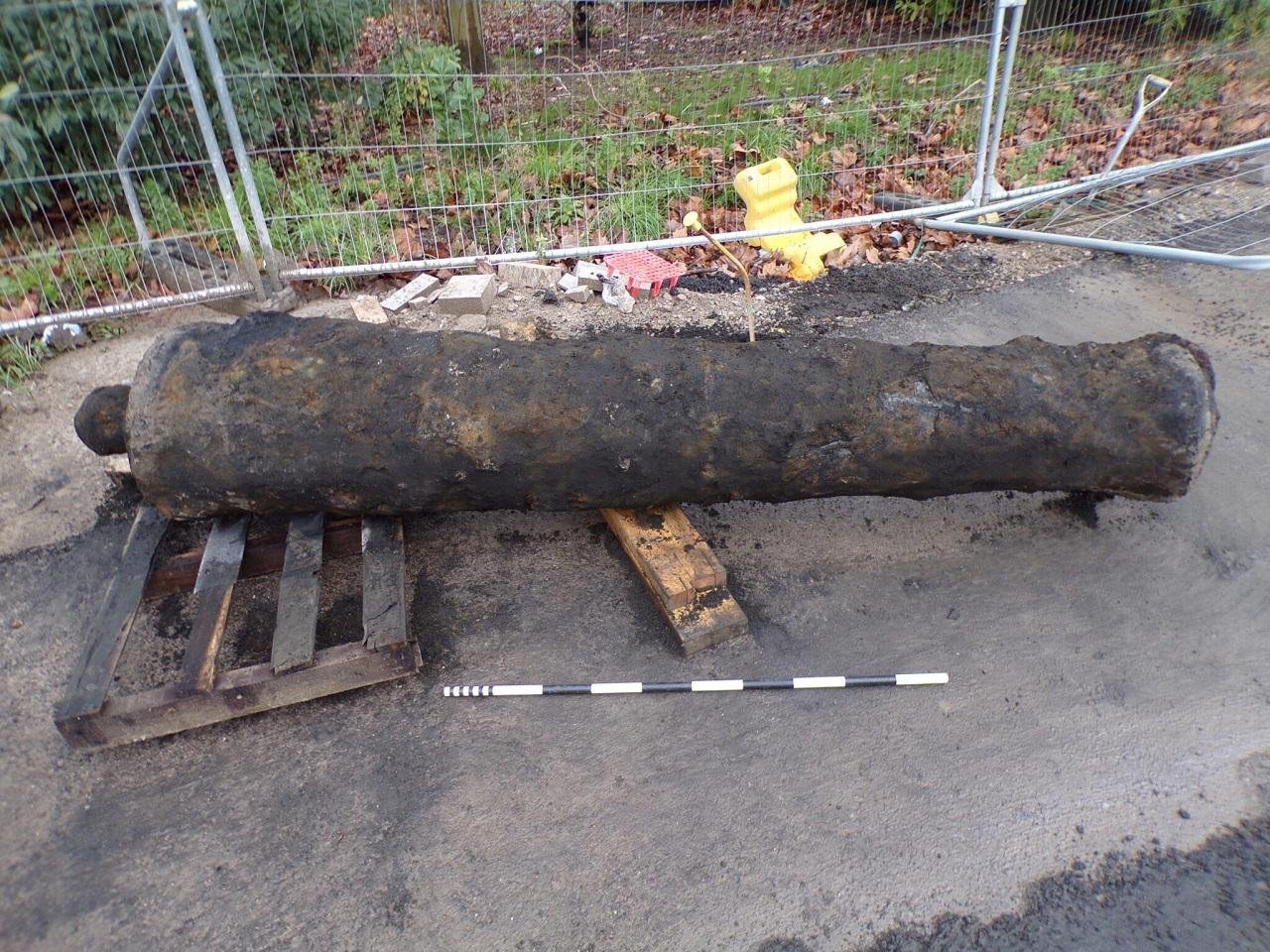 Historic cannon unearthed in Hull, England. Credit: Hull City Council
The operator reached a depth of about 1.5 meters and struck a solid object. The team initially did not know what it was and considered it might be an unexploded Second World War bomb. Examination revealed distinctive rings at one end, confirming it as a cannon barrel.
The cannon measures 2.6 meters in length and weighs over a ton. Archaeologists estimate it dates from the late 17th to 18th century, although further analysis will refine the period. One end has been capped, showing the weapon had been decommissioned.
Specialists from Humber Field Archaeology are studying the find. Early assessments indicate the cannon was repurposed after its military use. In the late 19th and early 20th centuries, decommissioned cannons were often used as mooring posts along docks. Researchers believe this cannon may have served that purpose before being pushed into the dock area when it was filled in during the 1930s.
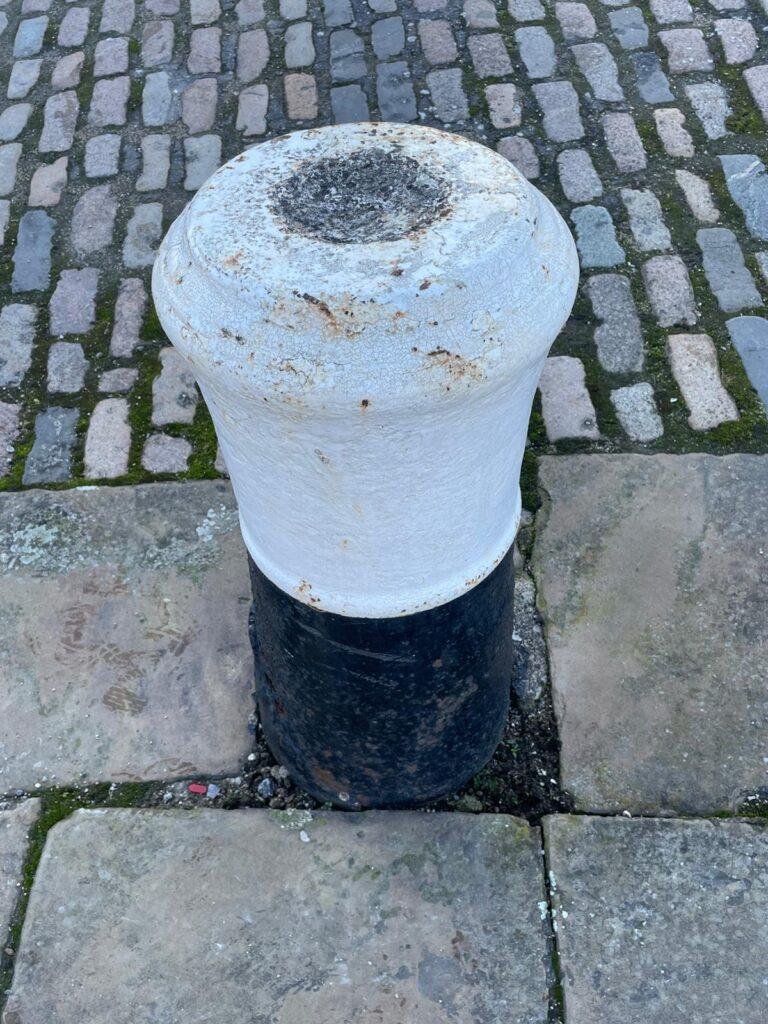 Former cannon used as a mooring post on Humber Dock Street. Credit: Hull City Council
The cannon could have been used for defense, either on a ship or positioned at the edge of the port. Its exact role is still under investigation. This is the third cannon recovered from archaeological digs in Hull, reflecting the city’s maritime history.
Officials plan to remove the cannon for detailed recording and conservation. Additional information will be released after specialists complete their work.
More information: Hull City Council