
It was the pancakes on the table that got me.
When I arrived at Dr. Elham Raker’s home in Manhattan Beach on Feb. 14 to interview her and her 16-year-old daughter, Darya, about the teen’s battle with long COVID, there was a plate of pancakes sitting alone on the empty dining room table.
They were heart-shaped and neatly stacked, with whipped cream carefully piped along the edges and thinly sliced strawberries scattered across the top — a Valentine’s Day offering meant for a teenager who, perhaps, should have already been downstairs.
To me, it said this: Here was a mom trying her best to create something special, despite a situation that leaves little room for celebration.
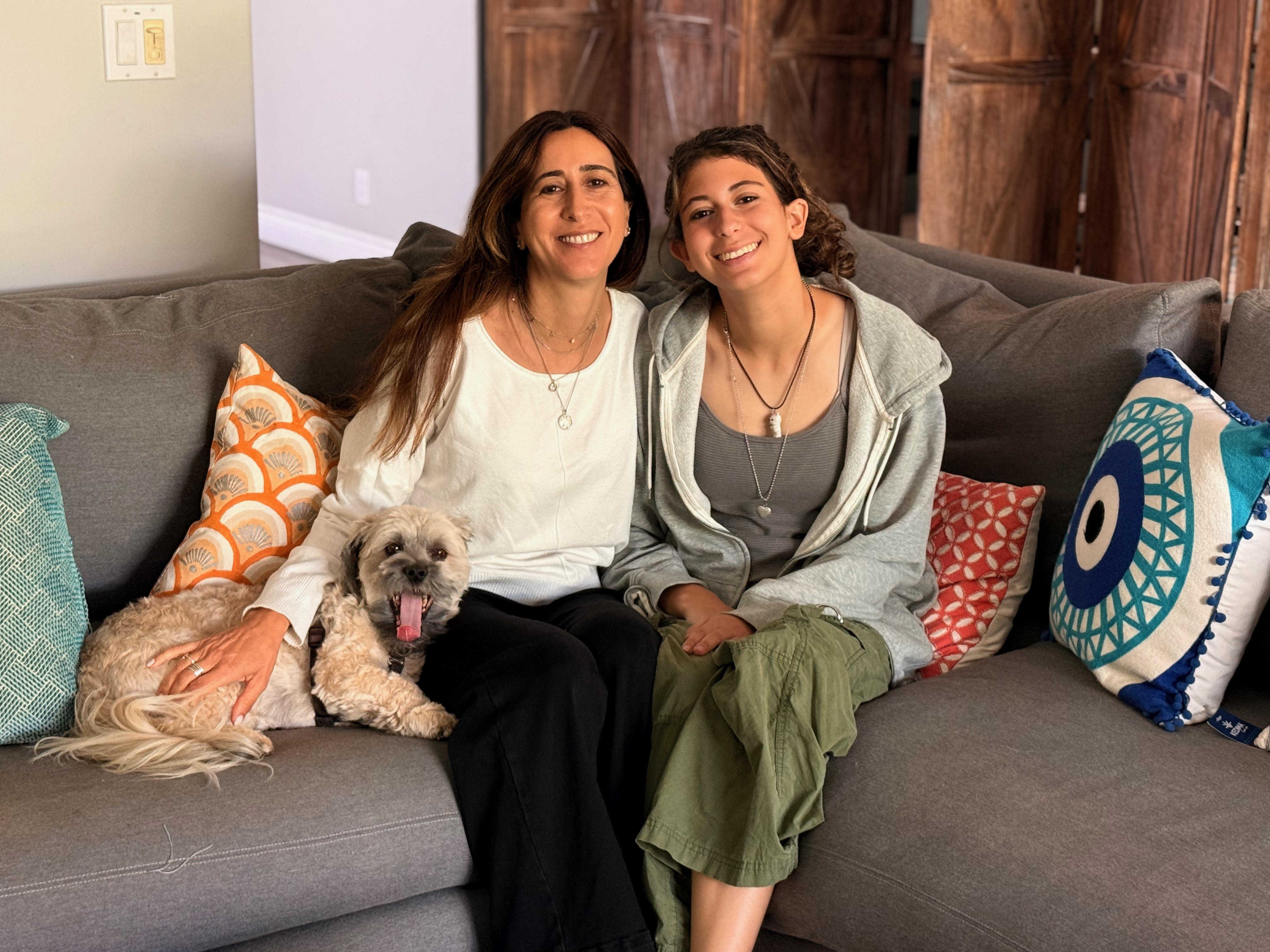
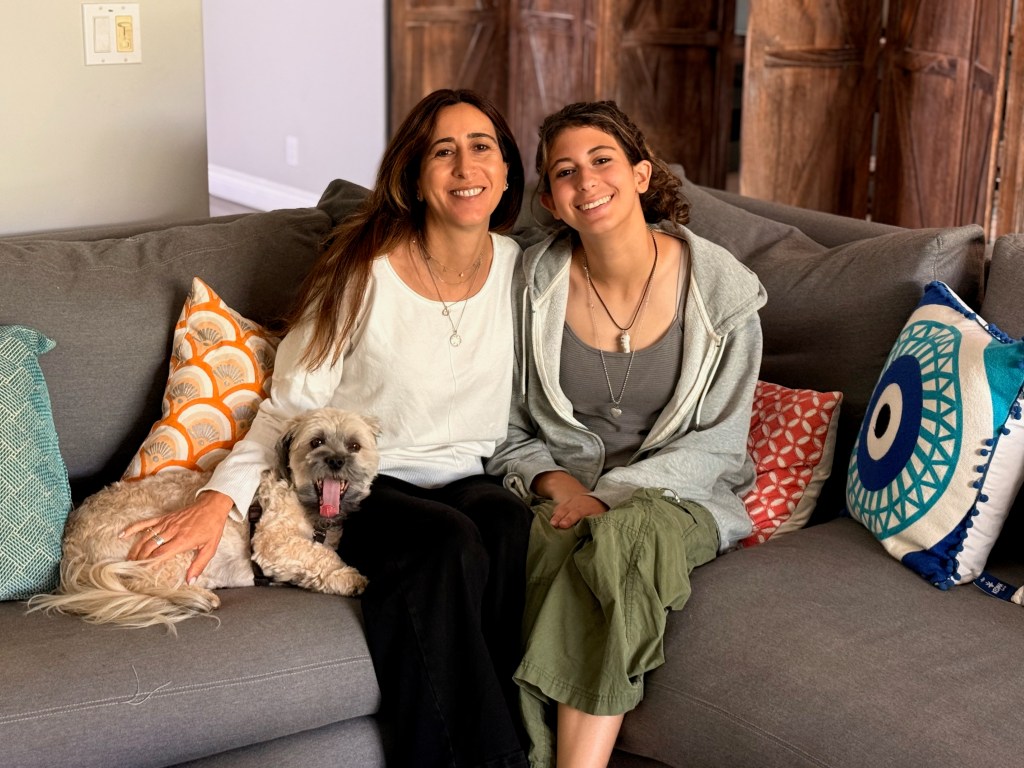
Dr. Elham Raker and her daughter Darya Raker. (Photo by Melissa Heckscher)
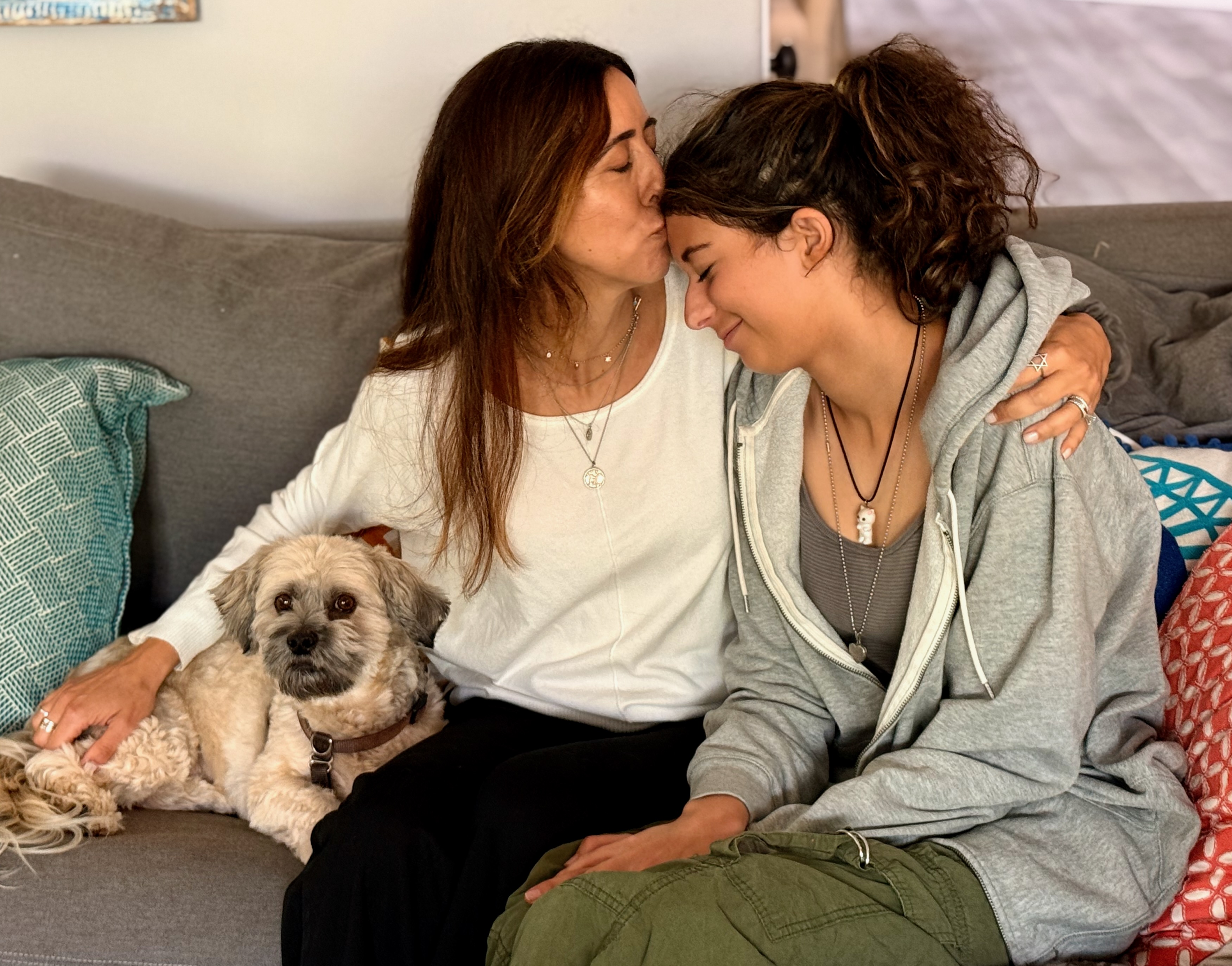
Dr. Elham Raker with her daughter Darya Raker. (Photo by Melissa Heckscher)
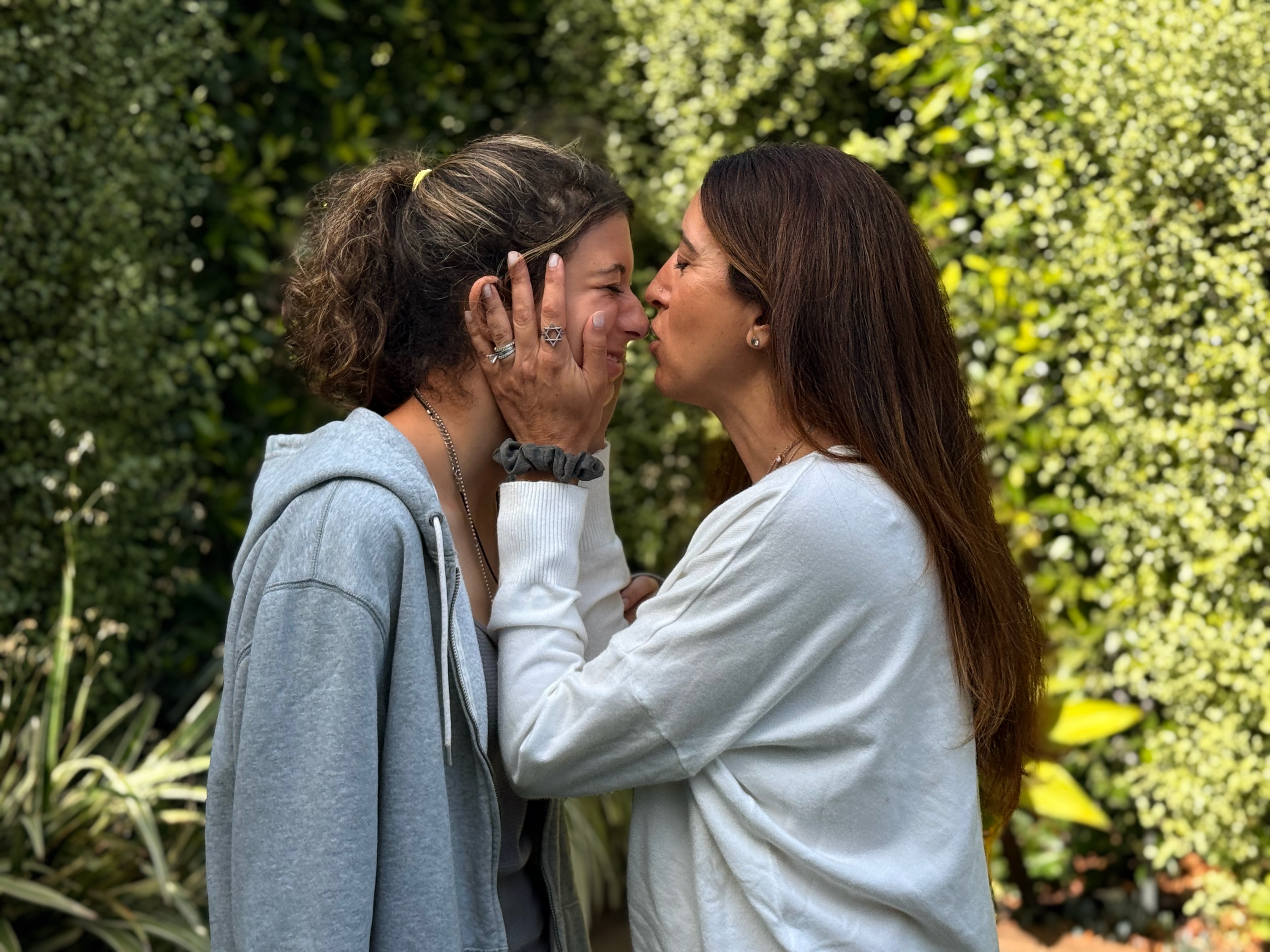
Darya Raker, and her mother Dr. Elham Raker. (Photo by Melisssa Heckscher)
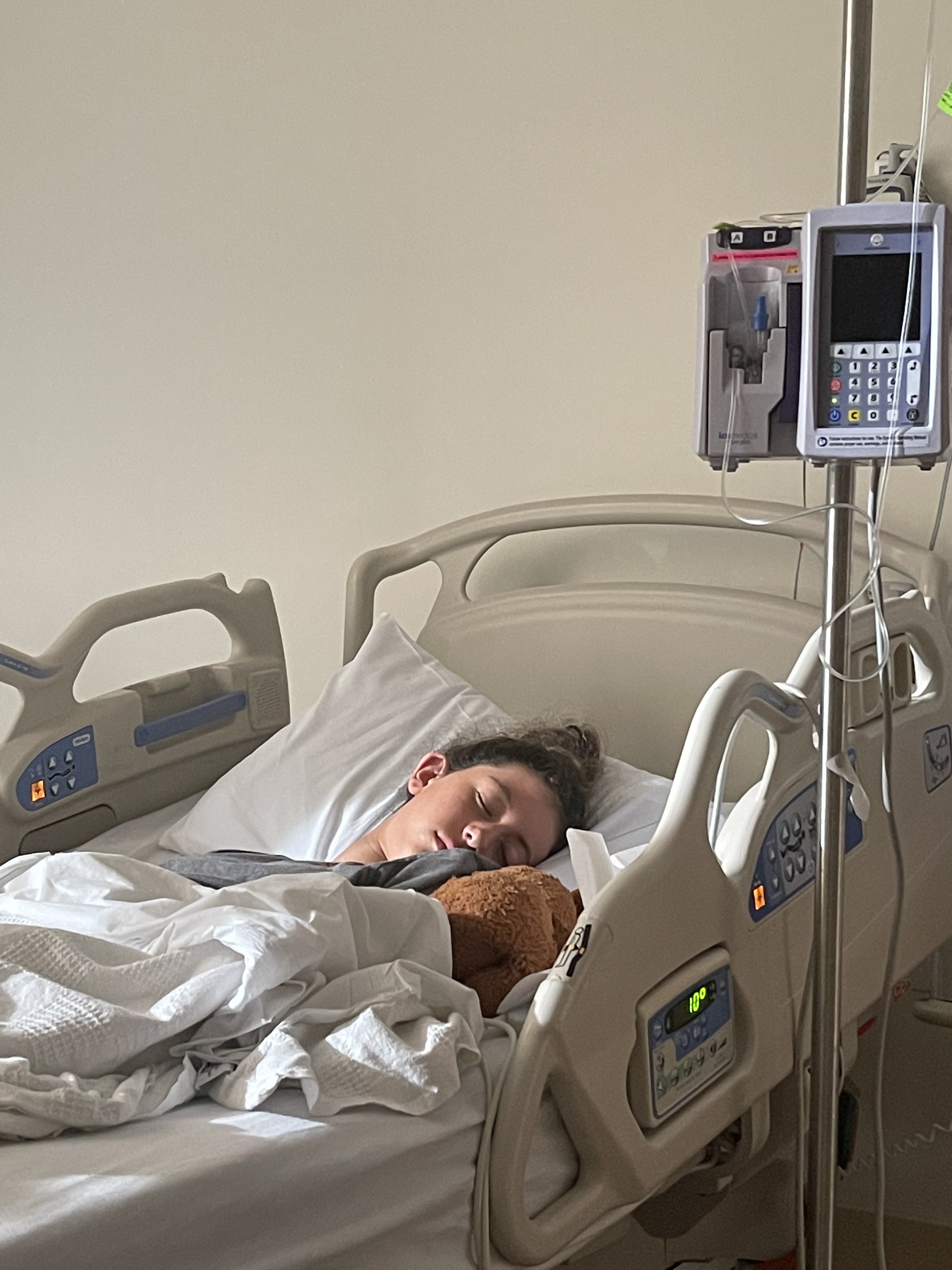
Darya Raker sleeps during her first hospitalization, for severe headaches, in 2022. (Courtesy of the Raker family)
Show Caption
1 of 4
Dr. Elham Raker and her daughter Darya Raker. (Photo by Melissa Heckscher)
“Mornings are hard,” Raker said to me apologetically as we chatted in the kitchen.
Several minutes later, a dark-haired Darya — sleepy-eyed and quiet — joined us.
“Getting out of bed is hard,” Raker said.
But this wasn’t the usual teenage resistance to mornings. For Darya, a Mira Costa sophomore who loves to paint, play water polo and hang with her friends, waking up is genuinely hard.
“I could sleep 12 hours,” Darya said, “and still feel like I didn’t sleep at all.”
Darya has been battling long COVID since seventh grade.
What began as a mild case of COVID-19 in December 2021 — a fever, nothing alarming — spiraled weeks later into debilitating migraines, vomiting, fatigue and brain fog. Soon, other symptoms followed: chest pain, shortness of breath and stomach problems.
“At one point, I asked, could this be long COVID?” said her mother, who is a pediatrician and parent coach. “And the response was basically, ‘Yes, but what would we do differently?’”
The Raker family’s experience reflects a growing but still misunderstood reality: for some children, the pandemic never really ended.
What is long COVID?
Long COVID, according to the Mayo Clinic, is a condition in which symptoms persist or emerge months after being infected with the coronavirus.
While more than 200 symptoms have been associated with the condition, the most common include extreme tiredness, especially after activity; problems with memory, often called “brain fog”; a feeling of being lightheaded or dizzy; an upset stomach and digestive problems; a fast or irregular heartbeat; and problems with taste or smell. Symptoms may stay the same over time, worsen, or come and go.
Long COVID has become more widely recognized in adults but remains controversial — and often invisible — when it comes to children.
“Most families have no idea that their child can develop long COVID,” said Megan Carmilani, founder of the international advocacy group Long Covid Families, an organization for which Raker now sits on the board. “They aren’t being told by pediatricians, they aren’t seeing it in school health communications and they aren’t hearing it from public health agencies.”
Early assumptions that the COVID-19 pandemic was largely sparing children reinforced the belief that they were safe from the virus, she added, leading many to dismiss lingeringsymptoms as behavioral or emotional issues.
“(Pediatric long COVID) looks like a child who can’t follow multistep instructions because of cognitive challenges,” Carmilani said. “It looks like a child spending most of their time in their room or on the couch because of disabling fatigue. It looks like a child labeled irritable or anxious, not because of a behavioral issue, but because of inflammation.”
But it’s not psychological. Carmilani estimates that about 6 million children in the U.S. have experienced long COVID symptoms, with research suggesting roughly 10 to 20% ofchildren may develop lingering symptoms after infection. The risk increases after reinfection.
When tests are ‘normal’
One of the most frustrating aspects for families seeking answers is that there is no single diagnostic test for long COVID. Basic blood work and physical exams often come back “normal.”
“Doctors are too comfortable saying there’s nothing wrong,” said Dr. Jordan Vaughn, an internist in Birmingham, Alabama, whose clinic has treated approximately 6,000 long COVID patients since the pandemic began. “What (they) really mean is, ‘I don’t have a biomarker and it doesn’t fit a script that I read in med school.’”
Vaughn founded the Microvascular Research Foundation and is one of many long COVID specialists Raker connected with in her search for answers. He described long COVID as part of a broader category of “infection-associated chronic conditions” — illnesses that disrupt the immune and vascular systems long after the initial virus has cleared.
“Long COVID is up there with chronic fatigue, HIV, all of these sorts of things, in terms of its effect on the immune system,” he said. “The downside is, at least in long COVID, we don’t have a great therapeutic.”
Among the most common issues that teens and adults face after COVID infection, Vaughn said, is POTS (postural orthostatic tachycardia syndrome), a form of dysautonomia that affects blood flow and causes dizziness, heart palpitations and fatigue.
Vaughn said he has seen a surge in adolescents, especially high-achieving athletes, suddenly unable to tolerate school or sports.
“These are kids who were thriving — straight-A students, competitive athletes,” he said, “and now they can’t get through a day.”
Darya was diagnosed with POTS and small airway disease in 2022. For a time, physical therapy and accommodations helped her regain stability. She returned to school full-time, graduated from middle school and entered high school.
Then she got COVID again.
Within weeks, the migraines returned. The fatigue deepened. The POTS flared.
“It feels like playing Whack-a-Mole,” Raker said. “You knock out one symptom and another comes out.”
The school balancing act
Darya now has an individualized education plan, or IEP, that allows for late starts, flexibility and accommodations. She continues to play water polo, but conserves energy carefully.
The family sometimes uses disability boarding or accommodations at airports and theme parks, decisions that often invite judgment from strangers — because Darya “looks fine.”
“That’s one of the hardest parts,” Raker said. “People will say, ‘She looks good,’ and I know they mean well, but it takes away from everything she’s feeling.”
With teachers, Raker said, she constantly explains that while Darya may appear fine at school, the effort comes at a cost.
“Invisible illness is hard,” she said.
For Darya, whose fatigue and headaches are near daily, distraction helps.
“I still go to school. I still see my friends. I still do art,” Darya said. “I guess I’m different. But then, everyone is. This is just my own thing.”
When to consider pediatric long COVID
Even with two physician parents (Darya’s dad, Charles, is an interventional radiologist), the Rakers found themselves moving from specialist to specialist: neurology for migraines,pulmonology for breathing, cardiology for POTS, gastroenterology for stomach issues.
Doctors validated Darya’s symptoms but offered little in terms of treatment.
“We live in a country that’s very good at acute care, taking care of things that have a biomarker and can be correctable in a short time period,” Vaughn said. “But this is not that.”
That gap leaves many families searching for answers elsewhere: Facebook groups, research papers and advocacy organizations.
Carmilani advises families to consider long COVID if symptoms persist three months after infection, especially patterns of fatigue, cognitive difficulty, headaches or dizziness.
“A COVID infection in children can often look like a mild cold or even seasonal allergies,” Carmilani said, “which makes it easy to miss.”
Vaccination reduces the risk of long COVID in children, she added, though protection wanes over time and reinfection increases the risk.
“The best way to lower a child’s risk,” Carmilani said, “is to prevent infection in the first place.”
Is there hope?
Experts say yes — but not necessarily quick fixes.
Vaughn estimates roughly 70% of his patients improve significantly with tailored treatment strategies. But recovery is rarely linear, and treatments are largely experimental.
“A lot of them ask, ‘How will this affect me in the long term?’ And the honest truth is, I don’t technically know,” he said. “I do know that what we did helped and that we were going tocontinue to figure it out.”
Raker, for her part, said she believes her daughter will improve, though not without continued trial and error. When asked whether Darya plans to go to college in two years, Raker paused.
“I don’t think she’ll be ready, to be honest,” Raker said. “I’ll have to wait and see what the next year looks like.”
Darya, who wants to study astronomy, is already researching colleges that offer accommodations. She hopes Arizona State University — which her brother attends — could be an option.
“But it’s really, really hot,” Raker said. “So we’re like, OK, could she get rides to each class so she wouldn’t have to walk from class to class? And they said, ‘Yeah, we could do that.’”
As for why she chose to share her story now, Darya said she hopes it helps others feel less alone.
“It’s validation,” she said, shrugging her shoulders, her big, dark eyes turned downward. “Just seeing someone who’s gone through the same thing. I never had that.”
To learn more about pediatric long COVID, go to longcovidfamilies.org.