
Mayor Zohran Mamdani released a plan Thursday to end nearly five years of emergency orders that have suspended basic jail rules at Rikers Island. But some reforms — including limits on solitary confinement — won’t take effect for nearly a year, and others require court approval.
The action plan lays out how the city will phase out emergency suspensions that have allowed 12-hour officer shifts, weakened discipline procedures and permitted the mixing of young adults with the general jail population since September 2021.
The plan also charts a course for implementing Local Law 42, the sweeping solitary confinement reform passed by the City Council in 2023 that caps isolation at 60 days annually and requires extensive due process protections.
The battle over solitary confinement at Rikers gained national attention after the 2019 death of Layleen Polanco, a 27-year-old transgender woman who died after suffering a seizure while in isolation. Her death sparked outrage from advocates and intensified calls for reform that ultimately led the City Council to pass Local Law 42.
Days after taking office in January, Mamdani signed a new executive order extending the long-running emergency declaration governing the city’s jails and ordered the Correction Department to come up with a plan to implement the long-stalled law.
“For too long, city government allowed entrenched problems and operational breakdowns to persist,” Mamdani said in a statement. “This plan shifts us away from temporary stopgaps and toward sustainable reform.”
But the reform roadmap faces some serious potential obstacles.
Many changes require sign-off from the court-appointed monitor overseeing Rikers, the newly appointed remediation manager and Judge Laura Taylor Swain of the Southern District, who is presiding over the decade-long Nunez lawsuit.
Some changes are already underway.
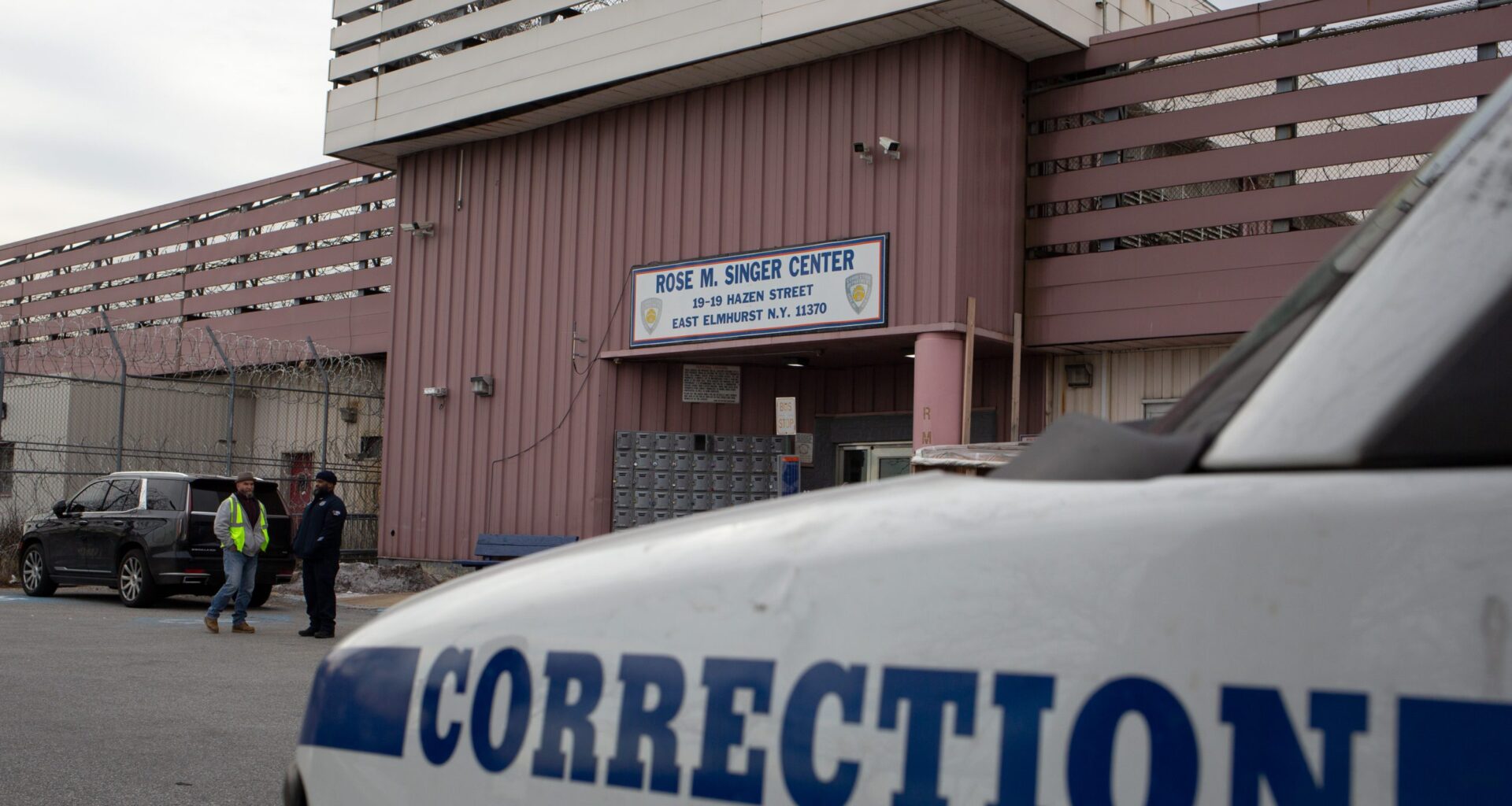
The city has returned to standard procurement rules and will end a controversial 12-hour shift pilot program at the Rose M. Singer Center on March 1. The Correction Officers Benevolent Association has long railed against the long shifts.
 Hundreds of people packed into Foley Square to hold a vigil for Layleen Polanco, a 27-year-old transgender woman who died in solitary confinement on Rikers Island, June 10, 2019. Credit: Ben Fractenberg/THE CITY
Other reforms face drawn-out approval processes.
The plan to stop housing young adults alongside older detainees — a practice advocates say puts vulnerable 18-to-21-year-olds at risk — isn’t expected until the second quarter of 2027, more than a year away.
The proposed roadmap also calls for eliminating the practice of placing so-called Level One offenders in Restrictive Housing (RESH), a change that would affect how the city handles its most serious disciplinary cases. Instead, they will be moved to housing units where they will be given counseling and additional programming.
The document reveals the challenge of unwinding emergency measures that began under Mayor Bill de Blasio during the COVID-19 pandemic and continued throughout Eric Adams’ administration.
The first emergency order, issued in September 2021, suspended discipline procedures for correction officers amid a staffing crisis marked by rampant absenteeism.
Subsequent orders expanded the suspensions to include Board of Correction minimum standards for housing areas, court operations and other jail rules.
The proposed plan covers four key areas: de-escalation confinement (capped at four hours), restrictive housing (requiring hearings and due process), pre-hearing detention (requiring high-level approval) and use of restraints (limited to cases of imminent danger).
The DOC would also be required to build de-escalation cells or housing areas that meet minimum space and hygiene standards, with officers conducting checks every 15 minutes and providing continuous crisis intervention. The reform roadmap would also severely limit the use of devices like restraint desks. Advocates have long argued those restraints amount to torture. Under the law, restraints would be prohibited unless an individualized determination is made that they’re necessary to prevent imminent risk of injury.
Also, the use of restraints couldn’t occur on two consecutive days without a hearing, would require daily review, and could only be authorized for a maximum of seven consecutive days.
The DOC also says it’s conducting internal assessments to determine what physical changes, staffing adjustments and policy updates will be needed to enact many of the reforms.
The plan also tackles officer discipline, with proposed policy changes expected by mid-2026 to restore suspensions for officers who go AWOL or violate sick leave rules.
Additionally, the city is negotiating a memorandum of understanding with the NYPD to formalize the police department’s role overseeing pre-arraignment court holding areas. That responsibility was transferred to the NYPD under emergency orders.
That agreement is expected by fall 2026.
In a statement, DOC Commissioner Stanley Richards said the plan represents a shift “from crisis-driven operations to safe, sustainable jail management.”
Related