
Good morning. Every politician knows there are certain times—on stage before a debate, for instance—that you need to shake hands with your rival. In the cutthroat AI business however, that kind of etiquette is out of style, as OpenAI CEO Sam Altman and Anthropic CEO Dario Amodei so awkwardly, and pricelessly, demonstrated during a photo-op at the AI Summit in India this week.
It’s not as if fierce rivalries are a new thing in business. Walmart and Amazon have been locked in a duel for global retail supremacy for years. And as Fortune’s Phil Wahba reports, Amazon achieved a major milestone in 2025 by becoming the world’s largest company by revenue and ending Walmart’s 13-year run as the No.1 company in the Fortune 500. I guess it’s a good thing no one asked the CEOs of these two companies to shake hands.
Alexei Oreskovic
@lexnfx
alexei.oreskovic@fortune.com
Want to send thoughts or suggestions to Fortune Tech? Drop a line here.
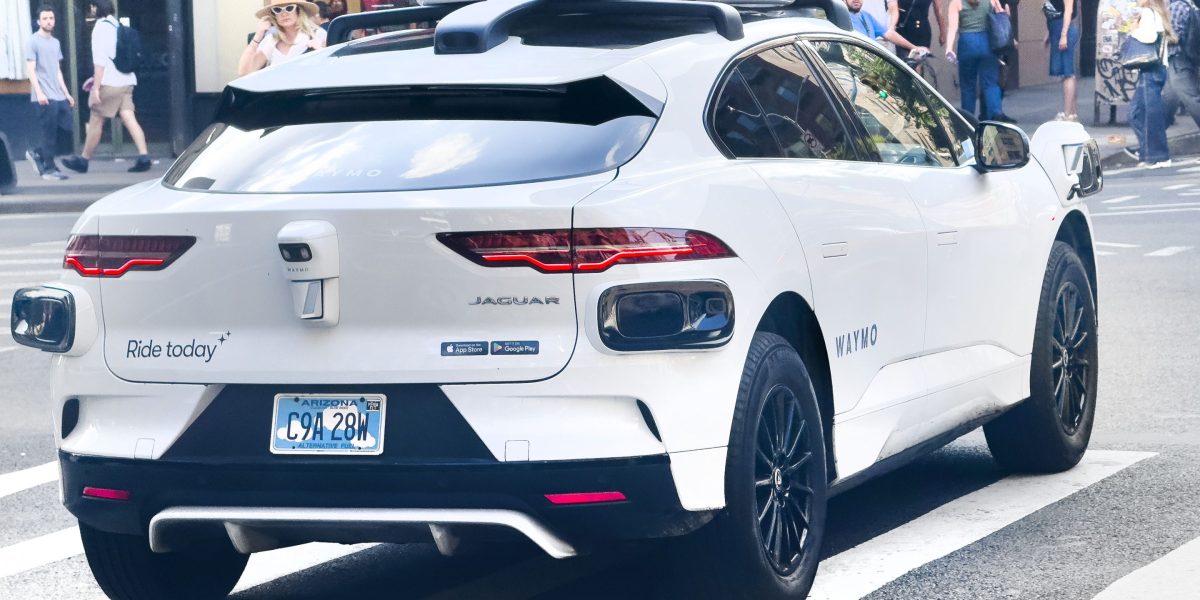
Waymo’s New York dreams dashed—for now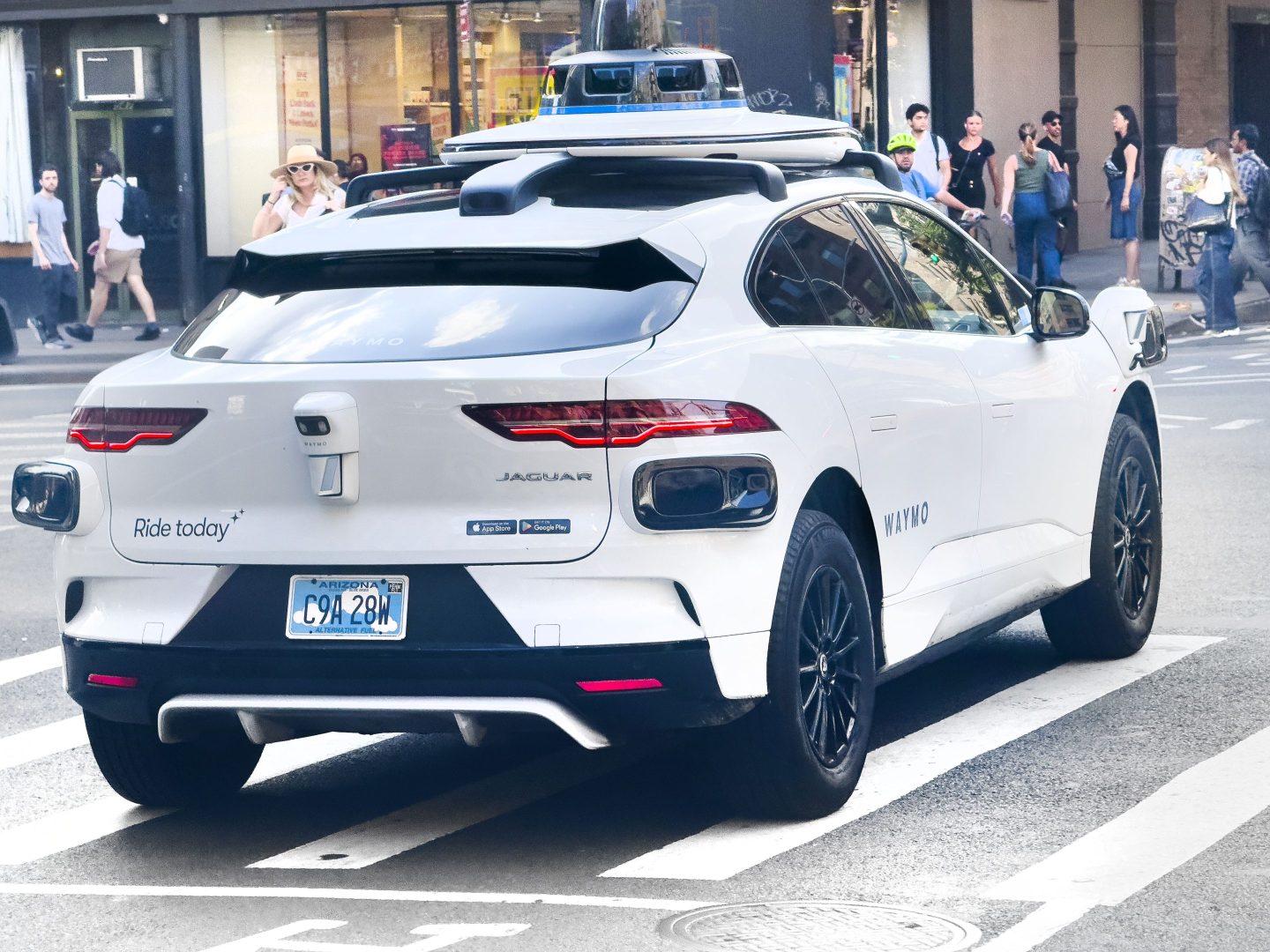
Waymo’s expansion plans hit a speed bump Thursday when New York’s governor pulled a proposal that would have paved the way for it to offer its robotaxi service in certain parts of the state.
The proposal would have allowed autonomous car companies like Waymo, which is owned by Google-parent Alphabet, to apply for permission to offer commercial robotaxi services in areas outside of New York City. A spokesperson for Governor Kathy Hochul, who had included the proposal in her January budget, told Bloomberg that it had become clear that there was not sufficient support for the proposal to advance.
Waymo is the leader in the nascent robotaxi business, with its driverless vehicles offering more than 1 million full autonomous per month in cities such as San Francisco, Phoenix, and Los Angeles — and aggressive plans to expand into as many as 20 additional cities in 2026 and to increase its rider volume to 1 million per week. But the company is facing new competition as Tesla and Amazon-owned Zoox begin to offer limited robotaxi services in some areas.
Waymo’s plan to expand into New York faced opposition from taxi and rideshare drivers, labor unions, and transit workers, according to CNBC. Waymo said it was disappointed but committed to working with state lawmakers to bring its service to New York. The company is separately testing autonomous cars, with safety drivers, in New York City. That effort is not affected by Hochul’s move. —AO
Bill Gates cancels India AI summit appearance
Microsoft cofounder Bill Gates pulled out of India’s AI Impact Summit just hours before he was scheduled to address the event with a keynote speech. The Gates Foundation said in a statement that the decision was made “to ensure the focus remains on the AI summit’s key priorities.”
Rumors had been swirling about Gates’ attendance throughout the week owing to renewed scrutiny over his ties to Jeffrey Epstein.
Gates’ withdrawal comes weeks after the U.S. Department of Justice released emails revealing contact between Gates Foundation staff and Epstein, the late financier and convicted sex offender. The correspondence suggested the two had participated in a series of meetings following Epstein’s release from prison, focused on Gates’ charitable ambitions. Gates has maintained that his dealings with Epstein were limited to discussions about his charitable work, and has said meeting him was an error of judgment.—Beatrice Nolan
Meta splits VR headsets and Horizon World
Meta said that Horizon Worlds—its virtual reality 3D metaverse experience—will no longer be connected to the VR headsets it was initially created for. Instead, Worlds will become a mobile-first platform that users can navigate on their phones, sans VR headset. Basically, like Roblox or Minecraft.
Meta VP Samantha Ryan announced the change in a blog post on Thursday, describing it as a way to “tap into a much larger market.” Ryan noted that the VR industry hasn’t grown as quickly as Meta had hoped, but stressed that the company is still committed to its Quest line of VR headsets.
It’s possible that removing Meta’s in-house Horizon Worlds service from the Quest headset will create an opportunity for third-party developers to get traction with a new wave of innovative apps for Quest headsets. That in turn, could spark more interest in VR headsets overall. But that’s the glass-half-full perspective. The view from the other, more sober side of the glass looks like one more example of Meta’s ongoing struggle to make VR happen.—AO
More tech
—OpenAI close to snagging first phase of $100 billion funding. Post money valuation $840 billion.
—Google rolls out Gemini 3.1 Pro. For ‘complex problem solving.’
—West Virginia sues Apple. State AG alleges iPhone maker allowed sharing of CSAM.
—Microsoft can store data in glass for 10,000 years. Project Silica is here.
—Inside the gay tech mafia. Wired does a deep dive.
—Meet Peter Steinberger, OpenClaw’s millennial creator hired by Sam Altman.