
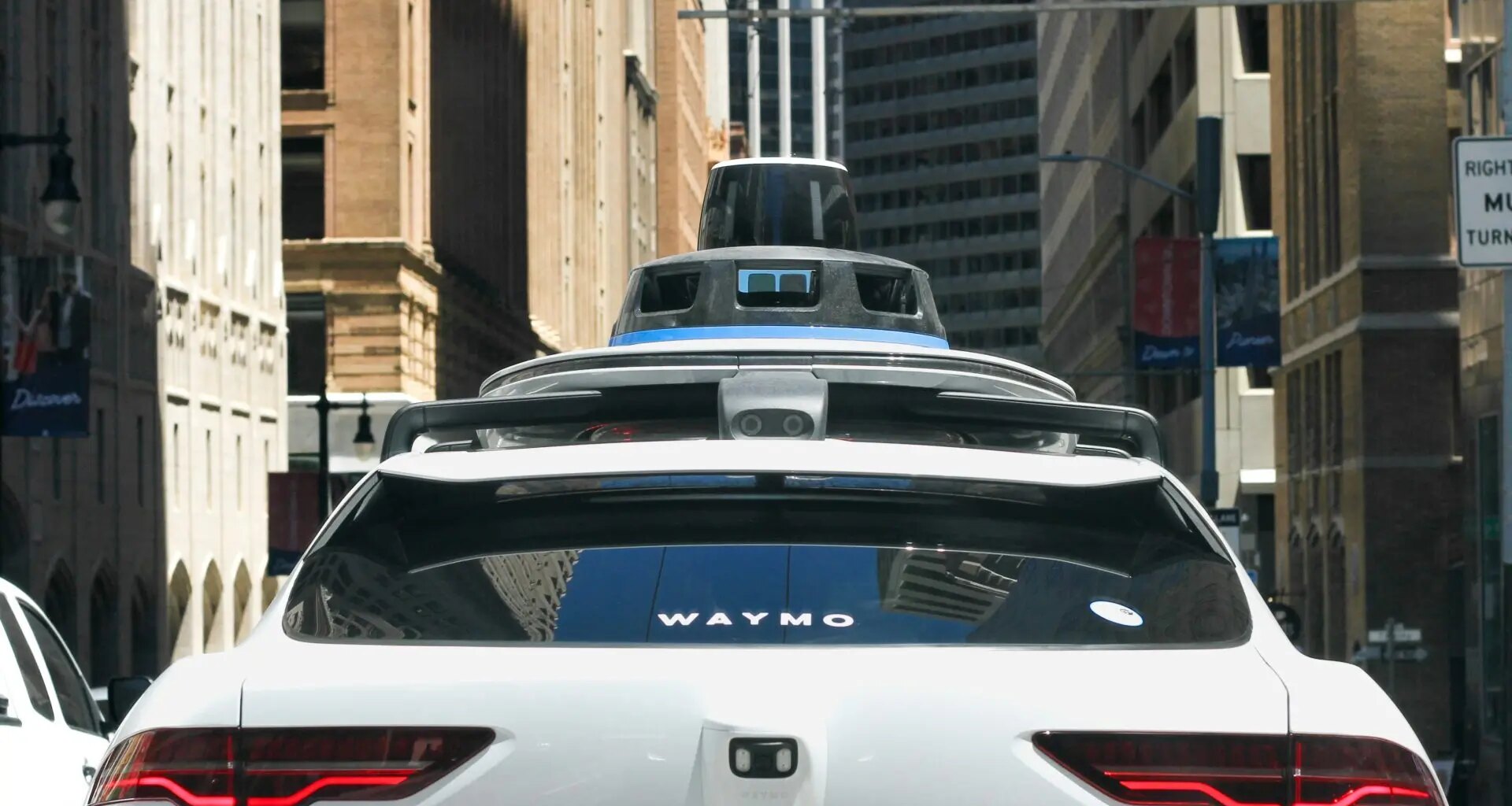
Waymo’s ambitions to scale its robotaxi operations have suffered a setback after New York Governor Kathy Hochul pulled a proposal that would have allowed commercial driverless services outside New York City.
The decision removes a potential pathway for Waymo to begin operating autonomous vehicles without a human driver in parts of the state, at a moment when the Alphabet subsidiary is ramping up expansion plans in the US and internationally.
The withdrawn proposal would have allowed autonomous vehicle companies to apply for permission to pilot commercial services without an onboard safety operator. A spokesperson for Governor Hochul said support in the state legislature was not sufficient to advance the plan.
Waymo stated it was disappointed by the decision but will continue working with lawmakers in New York. The company already holds a permit to test autonomous vehicles in New York City, although current operations require a trained specialist behind the wheel.
The move comes as Waymo pushes to accelerate growth beyond its existing US markets, supported by a recent $16bn funding round intended to back international launches and multi-city expansion.
“We’ve announced our intention to launch in over 20 cities in the near future including London, Tokyo, Nashville, Denver, Las Vegas and New York City,” Nicole Gavel, Waymo’s Head of Business Development, said at a press conference in London attended by Zag Daily.
Waymo currently offers paid driverless rides in several US cities including San Francisco, Phoenix and Los Angeles, and has said the new funding will support scaling operations beyond those markets.
Expansion ambitions meet political reality
The New York proposal would have allowed Waymo to expand outside the city while state-level rules for New York City itself remain under review. While the rescinded plan does not affect Waymo’s existing permit in the city, it would have brought the company closer to operating in a larger ride-hailing market.
The decision was welcomed by the New York Taxi Workers Alliance, which has argued that robotaxi services could displace human drivers across the state. Industry groups, however, warned that pulling the proposal risks slowing innovation in autonomous mobility.
The New York setback also comes as autonomous vehicle developers face heightened scrutiny over safety, governance and workforce impacts as they move from pilot projects to scaled commercial services.
For rivals with similar expansion ambitions, the episode underlines how political support proves as decisive as technical readiness. Tesla is pursuing a comparable city-by-city approach, securing approvals for unsupervised robotaxi testing in Austin and operating vehicles with human drivers onboard in San Francisco.
As robotaxi companies look to deploy across borders and jurisdictions, New York’s reversal may signal that regulatory momentum remains uneven, even as investment and launch plans accelerate.