
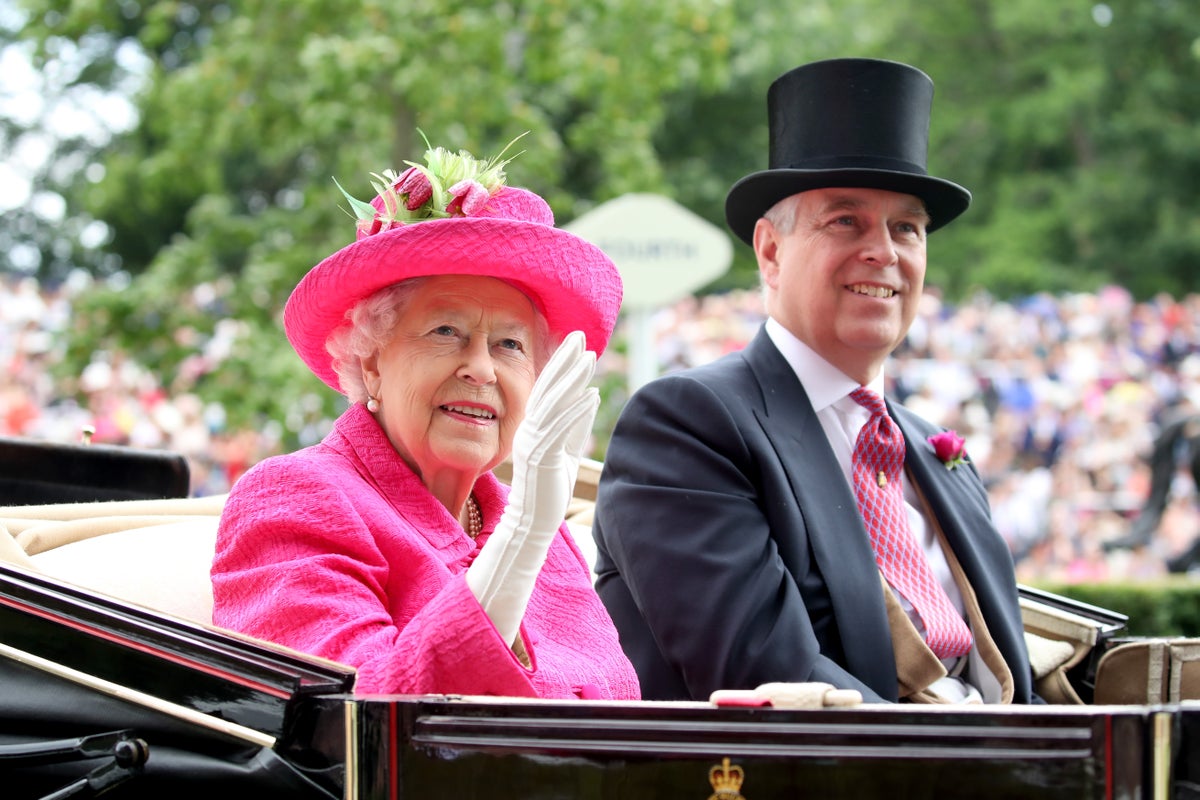
The former Prince Andrew has made an undignified descent from Buckingham Palace to a police cell. His inexorable fall has been long and hard, but he has been protected by royal privilege almost every inch of the way. If the allegations of sexual misconduct, first made over 10 years ago and which he strongly denies, were not bad enough, the news that Andrew Mountbatten-Windsor is being investigated on suspicion of misconduct in public office could be his undoing.
Follow the money, and a curious picture emerges. There was the mysterious sale of his marital home, Sunninghill Park, bought in 2007 at £3m over the asking price by the billionaire son-in-law of the long-serving Kazakh president, who later knocked it down. Then there was a private business under a strange name, when in 2002, the then prince set up the company Naples Gold with Swedish millionaire Johan Eliasch using the pseudonym Andrew Inverness. His job title was “professional consultant”, and the date of birth on the company’s records was 19 February 1960, the same as Andrew’s birthday. A creditor of the luxury ski company Descent International was one “Andrew Inverness, care of Buckingham Palace”. When the company collapsed in 2009, a spokesperson for the liquidator told reporters: “We understand that to be Prince Andrew.”
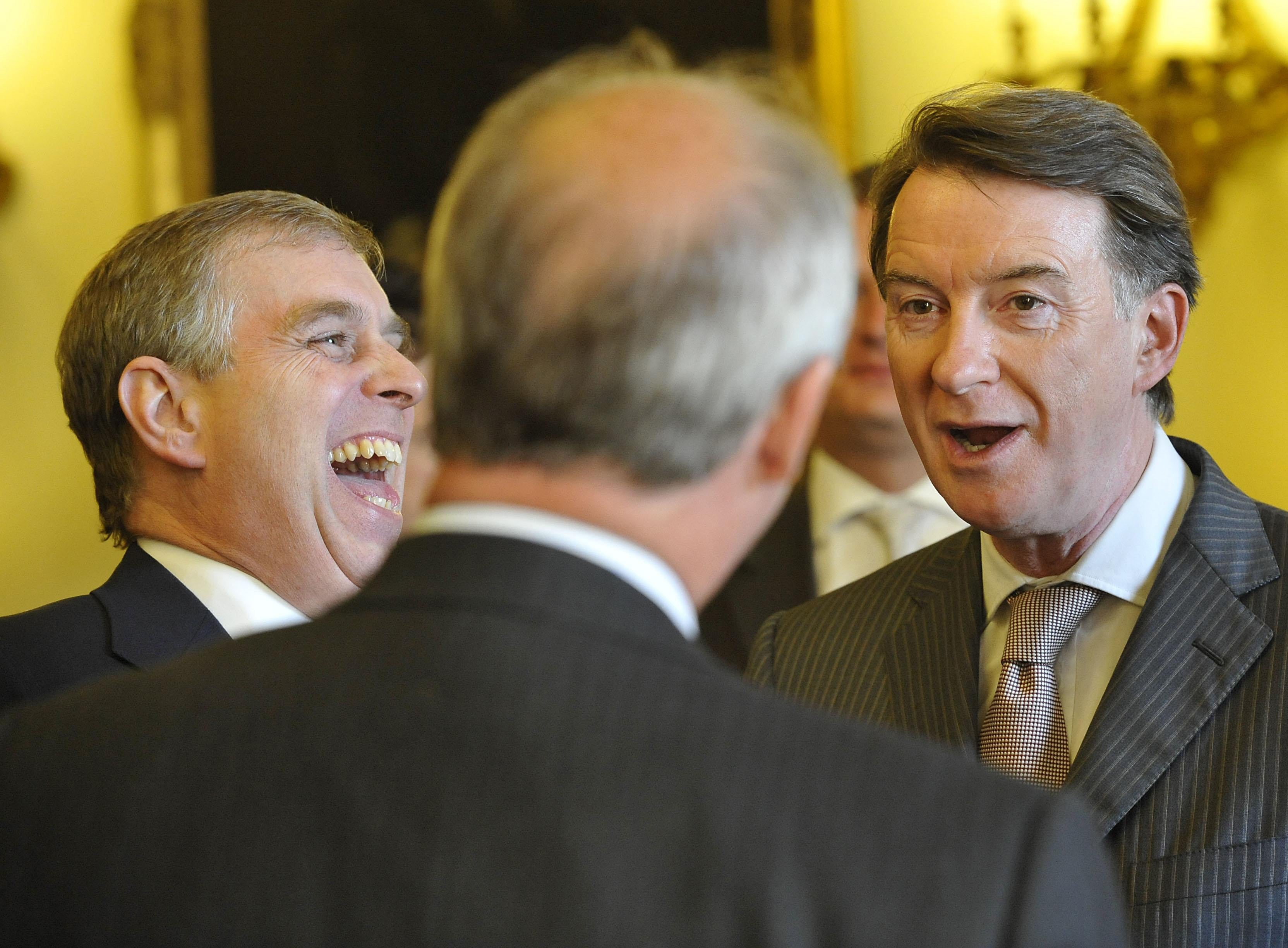
But it is to his appointment as a UK trade envoy between 2001 and 2011 that renewed attention is being brought. In this role, the then duke travelled globally and enjoyed privileged access to senior government and business contacts around the world. King Charles – who was then Prince of Wales – reportedly strongly objected to his brother’s appointment, warning that it would be disastrous, but his caution was ignored by the Queen, who approved of her favourite son taking up the role. The appointment was made under the Labour government led by then prime minister Tony Blair and was allegedly supported by Peter Mandelson too, who reportedly believed that the former prince was “well qualified” for the role despite his brother’s concerns.
Within months of his appointment as the special representative for British trade and investment, Andrew attracted complaints. Too often, the Foreign Office’s protocol department said, he refused to stick to the agreed itinerary and “left a trail of glass in his wake”. Thanks to exorbitant expenses, it was often joked that he never took a car when a helicopter would do and lived a billionaire lifestyle on an ostensibly modest income. The public became aware that “Air Miles Andy” refused to fly on commercial airlines after the government published a list of his destinations, which included golf tournaments, football matches and social visits to girlfriends around the globe. Following complaints from embassies in the Middle East and Latin America, senior officials met to discuss “the Andrew problem”.
The Queen needed to be told. She prevaricated and suggested that Prince Philip be consulted. He was annoyed and advised that Andrew be officially told to “sharpen up his act or lose his job”.
In 2003, it was reported that Andrew spent £325,000 on flights. That included £2,939 on a helicopter to make a 120-mile round trip from Windsor to Oxford, when the train would have cost £97. His visit to the US took in the Masters golf tournament. The following year, a trip to Bahrain coincided with the Formula One Grand Prix. The Mail on Sunday noted: “If Prince Andrew does not swiftly learn the limits of public patience, he will endanger not just his own position, but that of the monarchy as a whole.”
Labour MP Ian Davidson, a member of the public accounts select committee, complained at the time about Andrew’s travel costs, saying: “There is a question mark over what are genuine royal duties which the public should pay for.” Adding that Andrew “appears to regard the public purse as a bottomless pit to be drawn on as and when he wishes”.
In 2005, the National Audit Office investigated 41 of his journeys, including three trips to golfing events at a cost of some £32,000. It cost £4,645 to take an RAF jet to a course in Fife so he could finish 18 holes. The NAO’s report concluded that the prince’s flights that year, most of them paid for by the taxpayer, cost £565,000. “In terms of the return on investment to the UK,” was Andrew’s reply, “I would suggest that £500,000 is cheap at the price.”
On top of the £249,000 he was given by the Queen, The Sunday Times reported in July 2008 that for “the Duke of York’s public role… he last year received £436,000 to cover his expenses”. That year, Prince Andrew travelled to the US in a private jet costing £100,000. A trip to China and the Far East cost taxpayers £30,000 for transport and accommodation. In January 2009, a visit to Switzerland cost £21,700 in hotel, travel and other overheads. In all, his travels in 2009 cost taxpayers £140,000.
open image in gallery
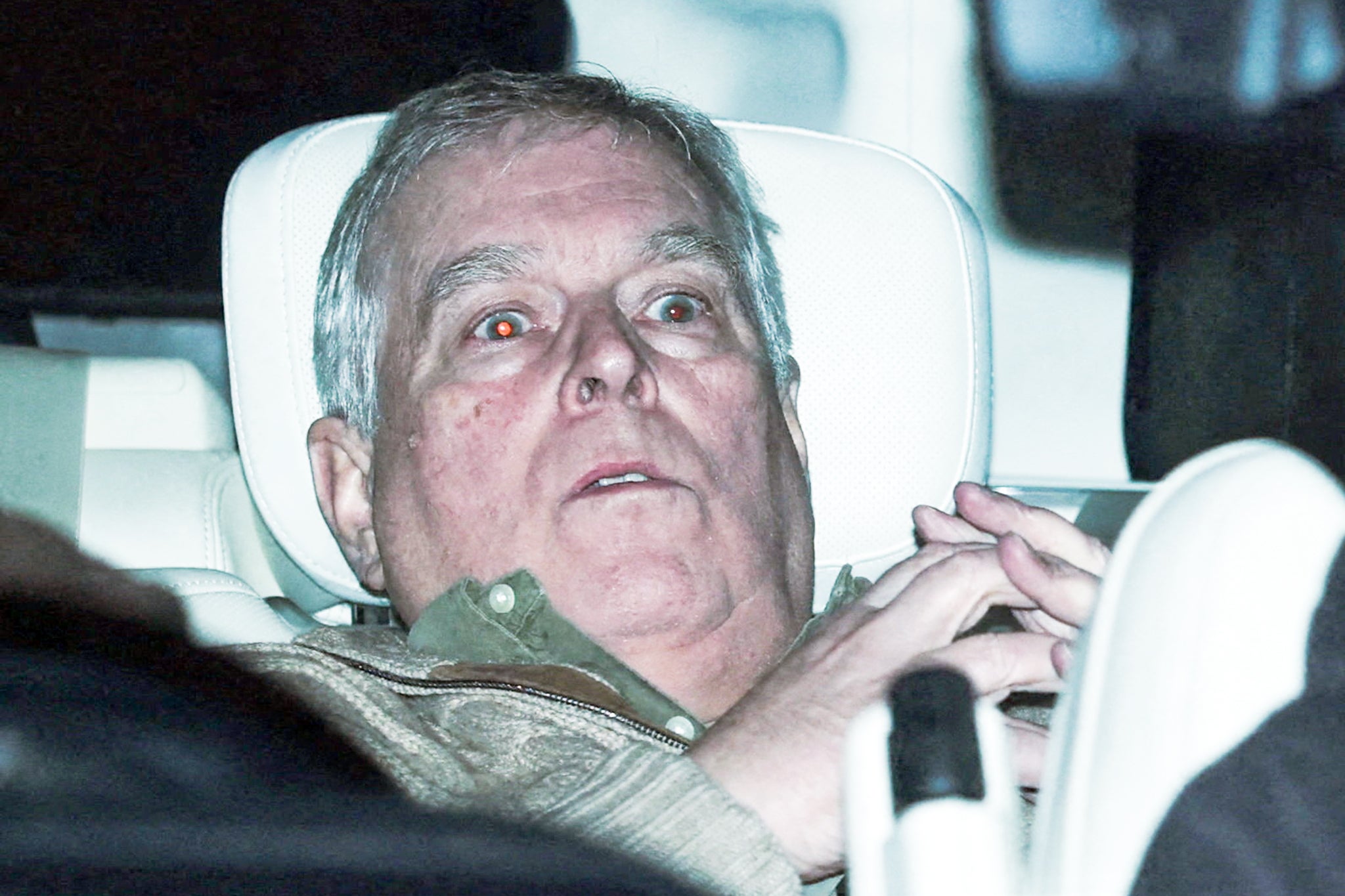
Laid low: Andrew Mountbatten-Windsor leaves Aylsham Police Station in Norfolk on Thursday after his arrest (Reuters)
On 8 March 2011, The Daily Telegraph reported: “In 2010, the Prince spent £620,000 as a trade envoy, including £154,000 on hotels, food and hospitality and £465,000 on travel.” Abroad, he travelled with a team of equerries and private secretaries. One vital expense was reportedly a valet with a 6ft ironing board so that he could have perfect creases in his trousers.
But was the taxpayer getting value for money? The deputy head of mission in Bahrain, Simon Wilson, said his behaviour was “boorish” and “rude”, and that he regarded himself as an expert on every matter. Wilson said that Andrew was “more commonly known among the British diplomatic community in the Gulf as HBH: His Buffoon Highness”. This nickname, he said, stemmed from his obsession with doing exactly the opposite of what had been agreed in pre-visit meetings with his staff.
Sir Ivor Roberts, ambassador to Italy who hosted Andrew’s visit there, said: “His kind of diplomacy is not mine, in the sense that it has not always led to improved relations with the people he is supposed to be schmoozing.” He described Andrew as “brusque to the point of rudeness”. According to leaked US diplomatic cables released by WikiLeaks in 2010, Tatiana Gfoeller, the United States ambassador to Kyrgyzstan, recorded that, speaking at a business event, Andrew called the UK’s Serious Fraud Office “idiots” for investigating bribery claims around an arms deal in Saudi Arabia and accused Guardian journalists of “poking their noses everywhere” for reporting it.
Public and parliamentary criticism intensified after it emerged that Andrew had continued contact with Jeffrey Epstein following the financier’s 2008 conviction in Florida for soliciting prostitution from a minor. When photographs of the pair together in New York in 2010 were widely published, more eyebrows were raised. Andrew announced his resignation from his position as UK trade envoy on 21 July 2011, and his departure took effect later that year.
But the Queen’s support for her son did not waver. The then-Duke of York was installed as a Knight of the Garter as part of her birthday celebrations in April 2006. He was still planning a public return at the Garter ceremony at Windsor in 2022, with her full backing, and it was only when William issued an ultimatum to his grandmother about his appearance that it was cancelled.
open image in gallery
Andrew Mountbatten-Windsor’s appointment as trade envoy was reportedly supported by Peter Mandelson (PA)
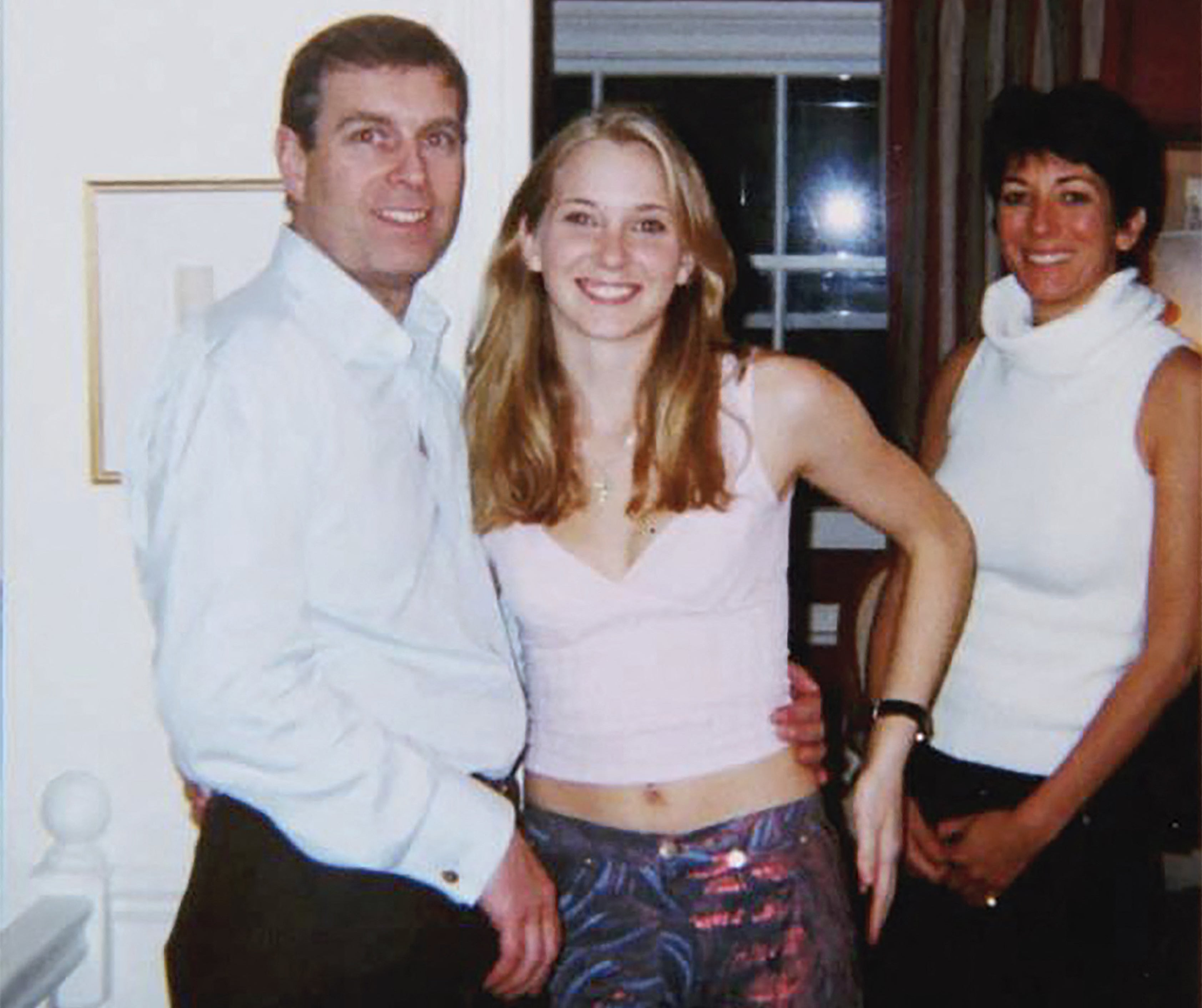
Then we come to the reported £12m Andrew paid Virginia Giuffre to settle her civil suit, alleging rape and other sexual misconduct – which Andrew has always denied – in New York in 2022. According to The Sun, the Queen stumped up £7m of that. When he denied any wrongdoing, did she believe him? Another £3m was reported to have come from the estate of his father, Prince Philip, and a further £1.5m from other members of the royal family. However, it is understood that the King did not contribute to this.
We are left to wonder how Andrew’s mother would have responded to the news of her adored second son being arrested on the Sandringham estate. It is an event that makes her annus horribilis of 1992 look like a gentler age. Then, she famously turned the tide by addressing the public directly in a speech when she asked for “a touch of gentleness, good humour and understanding”. Now the royal family are facing a scandal, which involves money, sex and allowing a convicted paedophile accused of sex-trafficking minors, into their midst, the public appetite for accountability is unlikely to be satisfied by anything less than a full reckoning. The King has expressed his “deep concern” and said that the police “have our full and wholehearted support and co-operation… the law must take its course”.
open image in gallery
Andrew denied that he had ever met Virginia Guiffre despite a picture of him with her and Ghislaine Maxwell in London (US District Court – Southern District of New York)
Queen Elizabeth is no longer with us, and Andrew can no longer count on royal protection once afforded by his titles. Up to eight police forces are now investigating some of the most serious allegations, and the police’s search of Royal Lodge has entered its second day.
As the calls grow for Andrew to be removed from the line of succession – which would require an Act of Parliament – the pressure on the King shows no sign of abating. When it comes to Andrew and the darkening public mood, the royal family and those surrounding them, would be advised to also remove any remaining blind spots to how serious things are getting.
Nigel Cawthorne is author of ‘War of the Windsors: The Inside Story of Charles, Andrew and the Rivalry That Has Defined the Royal Family’