
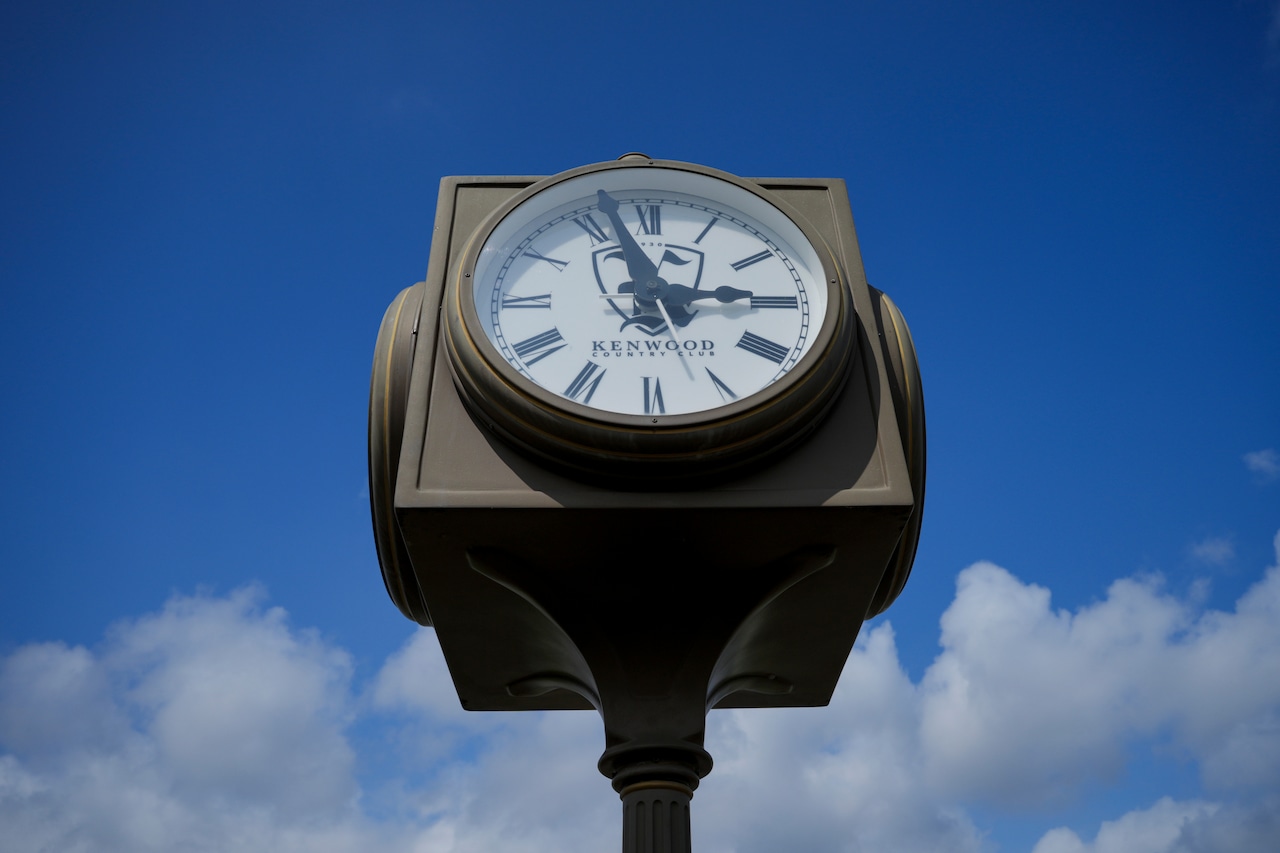
Get ready to set your clocks ahead for Daylight Saving Time this year.
Daylight Saving Time, which begins next month, is the period between March and November when Americans set their clocks forward by one hour in order to gain more daylight in the summer evenings.
According to The Old Farmer’s Almanac, the purpose of the clock change is to make better use of natural daylight. When clocks “fall back” to standard time, it shifts sunrise earlier — meaning brighter mornings.
After the winter solstice on Dec. 21, daylight gradually increases each day, even if mornings still feel dim for a while.
When Daylight Saving Time begins again in March, sunrise and sunset will both occur about one hour later than the day before, giving most people more evening daylight.
This year, we will spring forward on Sunday, March 8, from 2 to 3 a.m. It also means we lose one hour of sleep.
This year, we’ll be turning our clocks forward earlier than years past.
It’s because March 1 falls on a Sunday this year, which means the second Sunday of March — the day Daylight Saving Time begins under U.S. law — lands on March 8.
It’s the earliest date for Daylight Saving Time to begin.
It also means that it will conclude earlier than ever this year on Sunday, Nov. 1.