
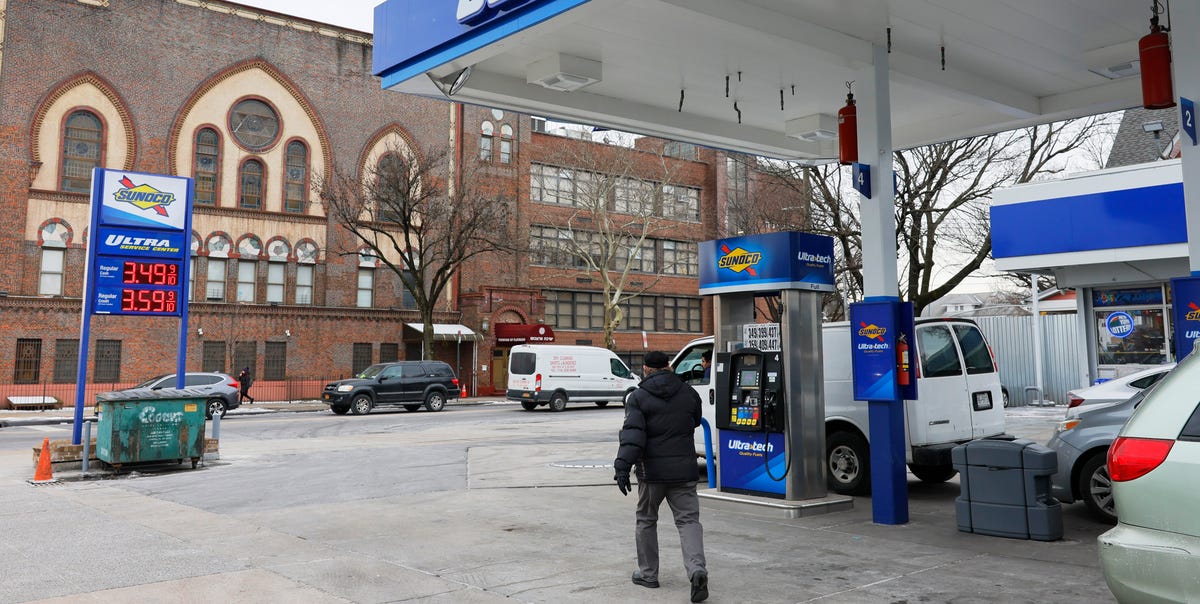
The octane of gasoline you put in your car is a key ingredient in the combustion process—and it appears that many drivers in New York City haven’t been getting the quality of gas they paid for, according to a new report by local news outlet The City.
The City reports that an analysis of Department of Consumer and Worker Protection inspection data gas station inspection data from 2023 to 2025 shows that 702 of the 729 gas stations inspected failed their octane, mid-grade gas blends, or signage tests. That’s a 96 percent failure rate. And most of those are apparently related to matters of premium versus regular, as NYC actually shut down as many as 1135 gas pumps due to failed octane samples, The City reports. Other infractions at NYC gas pumps included incorrect pump blends, bad diesel fuel, or displaying the wrong prices for gas, but improper octane made up the lion’s share.
Newsday LLC//Getty Images
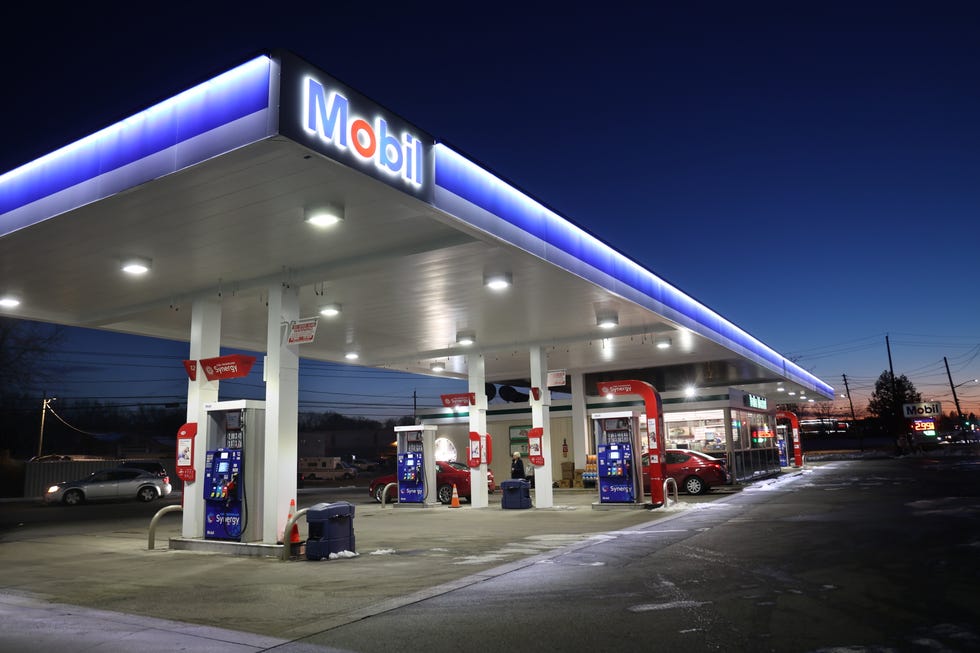
So, New Yorkers who pay for premium gas are rarely getting the octane level they paid for, but how exactly does that happen? Octane levels don’t magically decrease over time, indicating that any station that failed its octane sample accidentally or intentionally filled its high-octane feeder tanks with lower-grade gasoline. The American Automobile Association data shows that premium fuel prices are about 90 cents per gallon more than regular-grade gas—a cost that adds up quickly, but is required for many enthusiast vehicles these days.
Lower octane gasoline can have negative effects, too. Turbocharged and high-compression naturally aspirated engines are usually timed with higher octane fuel in mind. When these engines are fed lower octane fuel, the potential for detonation and knock increases, a phenomenon that can quickly send a car into limp mode. Such dramatic effects may not occur initially, but long-term use of fuel with a lower-than-recommended octane level can cause premature wear or even catastrophic metallurgical failure.
“As prices rise, New Yorkers work too hard to have their trust exploited by companies that cut corners and mislead consumers. Conducting honest business isn’t a suggestion – it’s the law,” a spokesperson for the Department of Consumer and Worker Protection said in a statement to The City.
New York Daily News//Getty Images
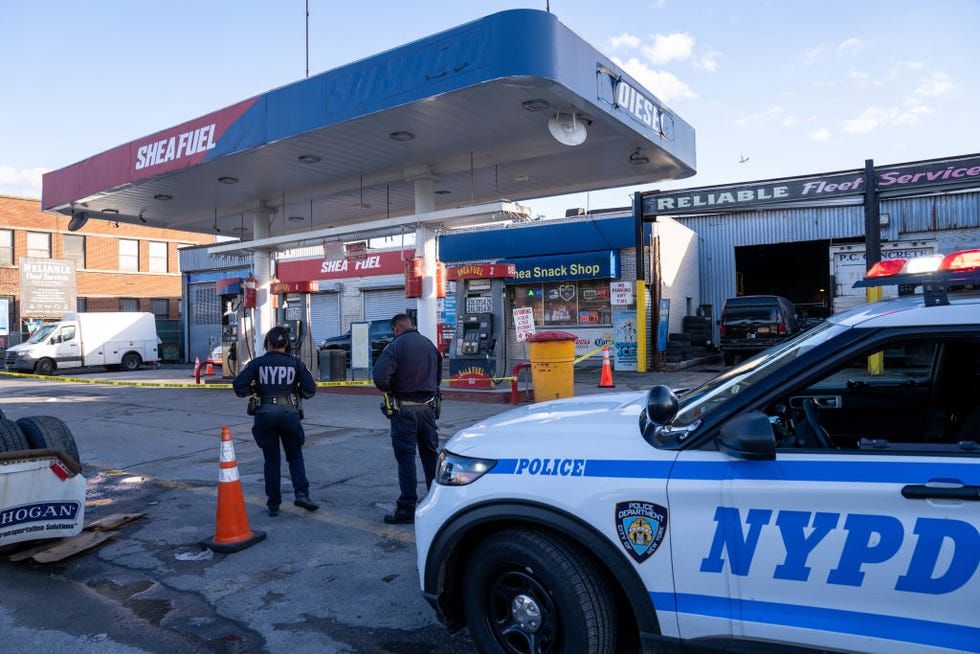
The Department of Consumer and Worker Protection has certain oversight levers to address this issue. Inspections happen throughout the year and include everything from identifying who delivered the most recent fuel supply to physical pump inspections and octane level readings. Most gas stations in New York City have two feeder tanks, with one being dedicated to regular-grade gasoline and the other dedicated to premium-grade gas. Mid-grade gasoline is typically created with a blend of the two, with dedicated mid-grade tanks being rare in the city.
Gas station owners interviewed by The City said they weren’t surprised by the deceptive practices; typical profit margins for gas station owners are three to seven cents per gallon, forcing operators to rely on revenue from the often-connected convenience stores as much as fuel sales. The rise of electric vehicles has also cut into their previously expected revenue. Gas station owners are scamming consumers at their own risk, as the Department of Consumer and Worker Protection can impose fines against businesses that violate consumer protections. Still, the scale of octane failures across New York City means that metropolitan car enthusiasts should think twice about where they fill up in the future.
Related Stories
A New York transplant hailing from the Pacific Northwest, Emmet White has a passion for anything that goes: cars, bicycles, planes, and motorcycles. After learning to ride at 17, Emmet worked in the motorcycle industry before joining Autoweek in 2022 and Road & Track in 2024. The woes of alternate side parking have kept his fleet moderate, with a 2014 Volkswagen Jetta GLI and a BMW 318i E30 street parked in his Queens community.