
In 1976, Queen were already big. The operatic gamble of A Night at the Opera had paid off. Stadiums were filling. Radios were paying attention. They could’ve chased that high again. Bigger choirs. Bigger everything.
Instead, they turned inward. “Somebody to Love,” tucked into A Day at the Races, doesn’t announce itself with a gong. It opens with a question. Freddie Mercury, alone, asking it plainly, “Can anybody find me…” The rest you know.
It’s one of those songs that feels like it’s always existed. Like it’s less written than uncovered.
Inside Queen’s ‘Somebody to Love’
By the time they recorded it, Mercury wasn’t just a frontman. He was an architect. Layering harmonies the way some producers stack guitars. On “Bohemian Rhapsody,” the choir felt theatrical, grand, a little mischievous. On “Somebody to Love,” the gospel influence is front and center. Church without the pews. Salvation without certainty.
He reportedly overdubbed his own voice over and over, building a choir out of himself, with Brian May and Roger Taylor stacking their parts until the track felt alive. Not polished. Alive. You can hear the air moving between the lines.
There’s a difference. The groove matters, too. John Deacon’s bass doesn’t strut, it moves with purpose. It gives the song a spine. The handclaps don’t feel ornamental, they feel communal, like the room’s in on the plea. And Mercury rides it all with that elastic voice, tender one second, defiant the next. The genius of the song’s in the balance. It aches, but it never wallows.
The lyrics aren’t complicated. Work. Faith. Loneliness. The grind of waking up and trying again. “I work hard every day of my life.” It’s not poetry carved in marble. It’s a diary line. Direct. Human.
That’s what makes it special. Queen were masters of spectacle, but here they let vulnerability lead. Mercury doesn’t hide behind characters or surreal imagery. He’s not Galileo or a Scaramouche. He’s a man on his knees, metaphorically, maybe spiritually, asking for connection.
And when the band kicks into that soaring middle section, it’s not just a key change. It’s a surge. Hope trying to muscle its way through doubt.
Freddie Mercury is the Focal Point of This Song
Listen closely and you’ll hear how physical his performance is. He pushes. He strains. He lets his voice crack just enough to remind you there’s a person inside it. No safety net. No smoothing the edges. The high notes don’t feel like gymnastics, they feel earned.
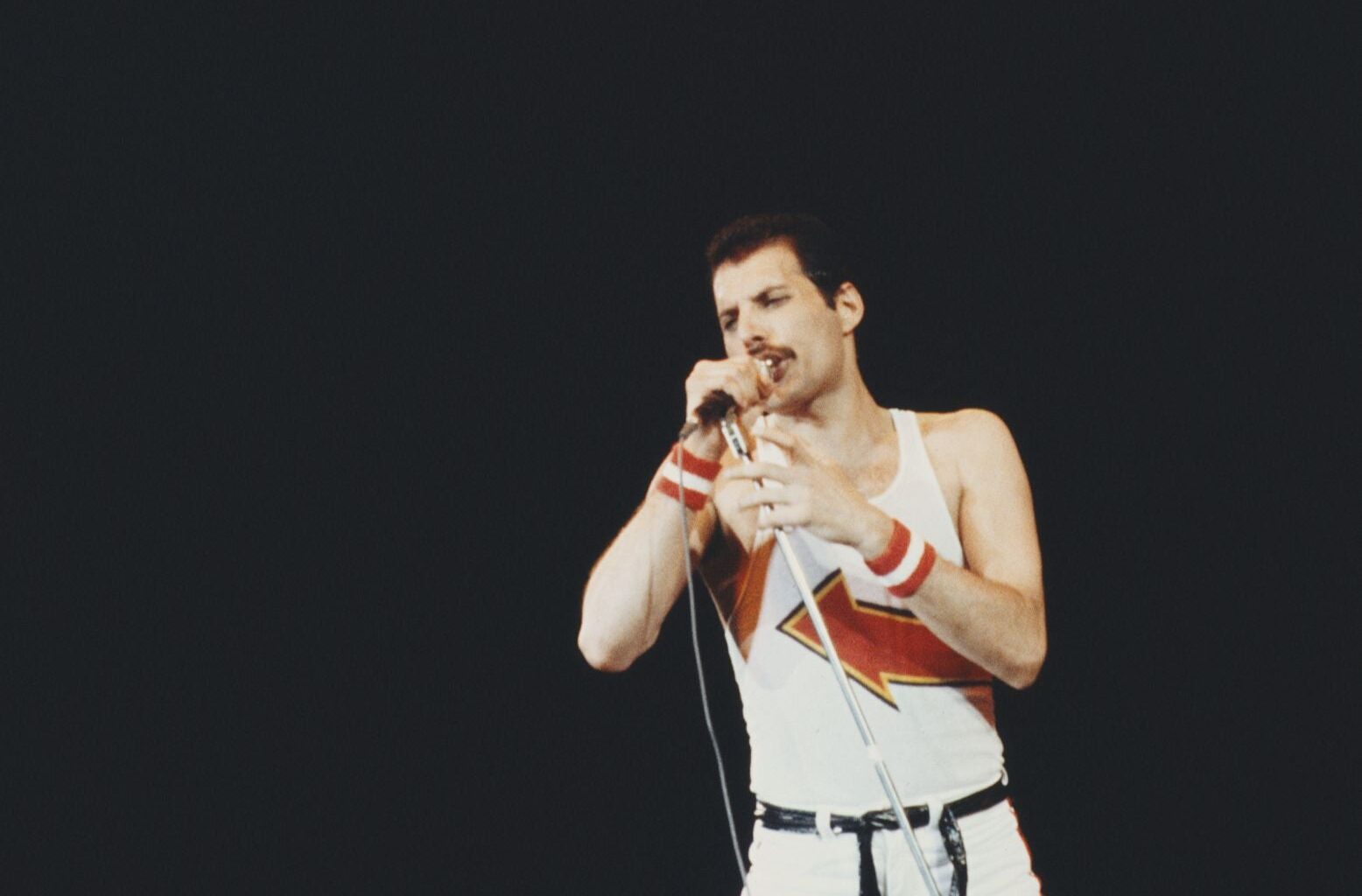
That’s one of Mercury’s gifts. He could be flamboyant without losing sincerity. The leotards, the mic stand, the command, all of that lived on stage. In the studio, especially here, he sounds almost exposed.
“Somebody to Love” is a singer’s song. You don’t casually cover it. You attempt it. Plenty have tried. Most end up revealing more about themselves than the song. That’s the mark of something sturdy. It doesn’t bend easily.
It also marked a moment for the band. A Day at the Races arrived in the shadow of A Night at the Opera, and that’s a tough neighborhood to live in. Instead of trying to outdo themselves with another six minute suite stitched from fragments, Queen doubled down on craft. Tight songwriting. Emotional clarity. Less novelty, more nerve.
The album feels regal but restrained. Ambitious, yes. Focused. “Somebody to Love” became the heartbeat. Live, it took on another dimension. Mercury at the piano, spotlight cutting through the dark, letting the first line hang before the band joined him. Audiences didn’t just sing along, they testified. Thousands of voices answering the question back at him.
There’s footage from the late seventies where you can see it on his face, that flicker of satisfaction when the crowd nails a harmony. He understood the exchange. He fed on it, sure, but he also respected it.
This wasn’t just about hitting notes. It was about being heard. In the broader Queen catalog, the song sits in an interesting spot. It doesn’t have the camp firework of “We Are the Champions” or the stomp of “We Will Rock You.” It doesn’t have the narrative sprawl of “Bohemian Rhapsody.” What it has is intimacy on a grand scale.
It’s big without being bombastic, and in hindsight, it feels even heavier. Knowing where Mercury’s life would eventually lead, the scrutiny, the solitude, the health battles, there’s something almost prophetic about the song’s core plea. Not in a tragic way. In a human way. Fame doesn’t insulate you from longing. Applause doesn’t replace connection.
He knew that. You can hear it. There’s a moment near the end where he stretches the word “love” until it almost splinters. It’s not subtle. It’s not restrained. It’s raw. And then the band snaps back in, tight and controlled, as if to hold him steady. That push and pull’s the song.
Decades later, it still feels current. Not because it’s trendy. Because the question at its center hasn’t aged. Strip away the production, the era, the mustaches and the myth, and you’re left with something simple, a voice asking not to be alone.
For Mercury, it stands as one of his shining moments precisely because it doesn’t try to shine too hard. He lets the cracks show. He trusts the melody. He leans into the gospel roots without parodying them. He sings like he needs the answer.
And maybe he did. There are bigger Queen songs. Louder ones. Songs that close sporting events and echo through arenas. “Somebody to Love” is different. It feels like it belongs to individuals more than crowds, even when the crowd’s singing it.
It’s a mirror, not a monument. That’s harder to pull off. In the end, what makes it special isn’t the overdubs or the range or the chart position. It’s the nerve to ask the question in the first place, plainly, publicly, without armor. Freddie Mercury did that. Voice wide open. And the song still answers back.