
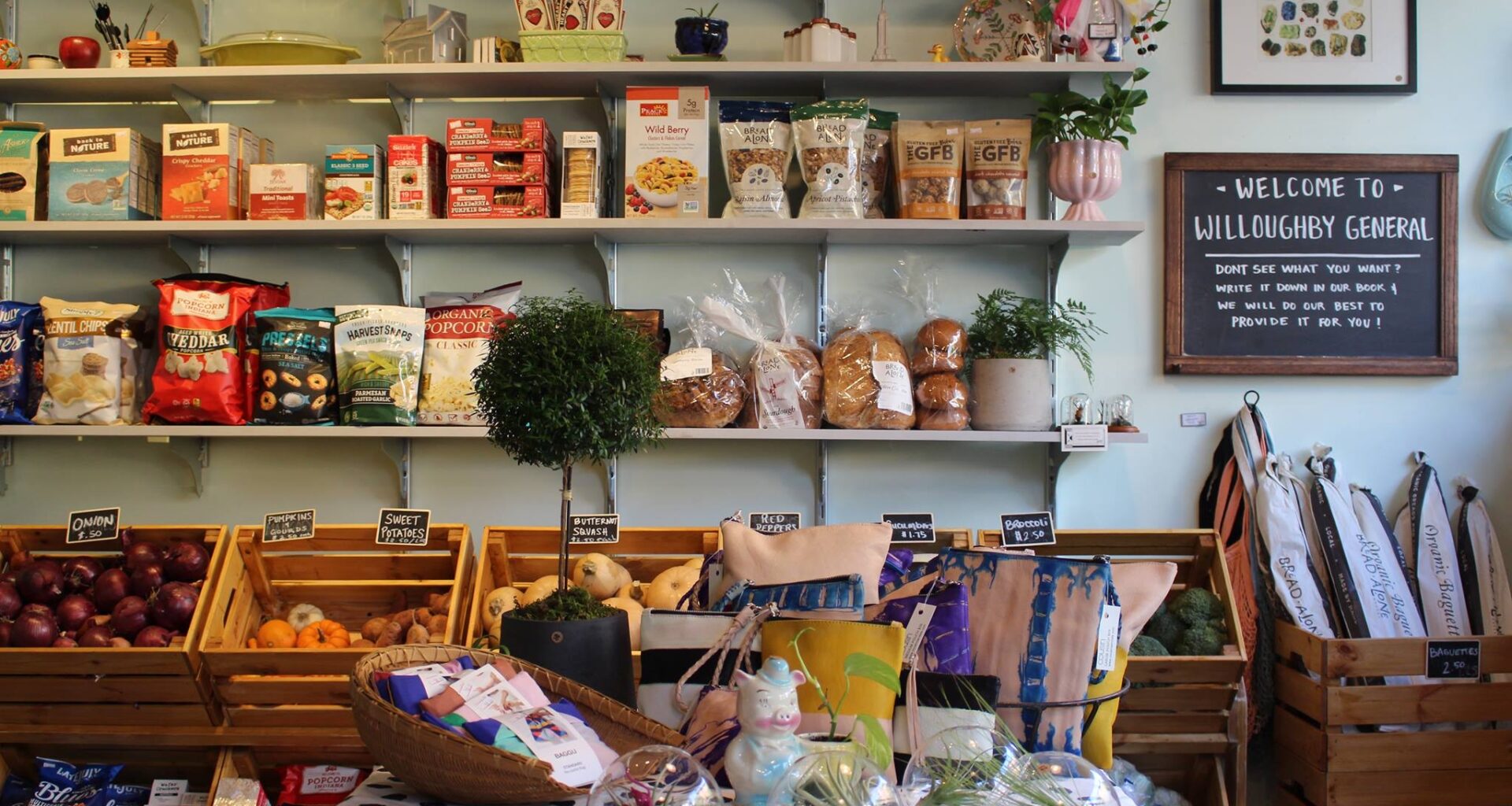
New York has always taken grocery shopping personally. The corner bodega is sacred. The deli guy who knows your order is family. And somewhere between the $3 coffee and the $33 salad, a particular breed of New Yorker decided that buying groceries should feel like checking into a boutique hotel.
Los Angeles figured this out years ago. Erewhon turned a smoothie run into a paparazzi-adjacent lifestyle event, and Angelenos didn’t blink—they’d been paying $25 for adaptogenic mushroom lattes since before the rest of the country knew what adaptogens were. New York, characteristically, arrived late and then acted like it invented the concept. We didn’t. What we did do is layer it onto a city that already had Zabar’s, Kalustyan’s and a cheese counter at Di Palo’s older than some California zip codes.
So, naturally, we are in a gourmet grocer renaissance. The old guard—places where Brooke Astor sent someone to fetch strawberries, where the smoked fish case mirrors your social status—is holding steady. But a new wave has arrived, armed with TikTok accounts, art programs and the conviction that you need only one olive oil, so long as it costs $65. Dean & DeLuca’s ghost haunts every one of these openings, which is ironic given that most of the people lining up for Meadow Lane weren’t alive when the SoHo original was actually good. Before that, it was Balducci’s on Sixth Avenue; before that, it was the great Italian import houses of Bleecker Street; before that, it was pushcarts on the Lower East Side selling produce that would put half of today’s “farm-to-table” sourcing to shame.
What’s actually happened is more interesting than the culture-war framing. These stores aren’t replacing each other. They’re serving different fantasies: old New York, a Provençal market teleported to Tribeca, the idea that $14 caramelized onion dip is a personality. Some have earned their prices over a century. Others are still making the case. All of them will sell you a very, very good sandwich.