
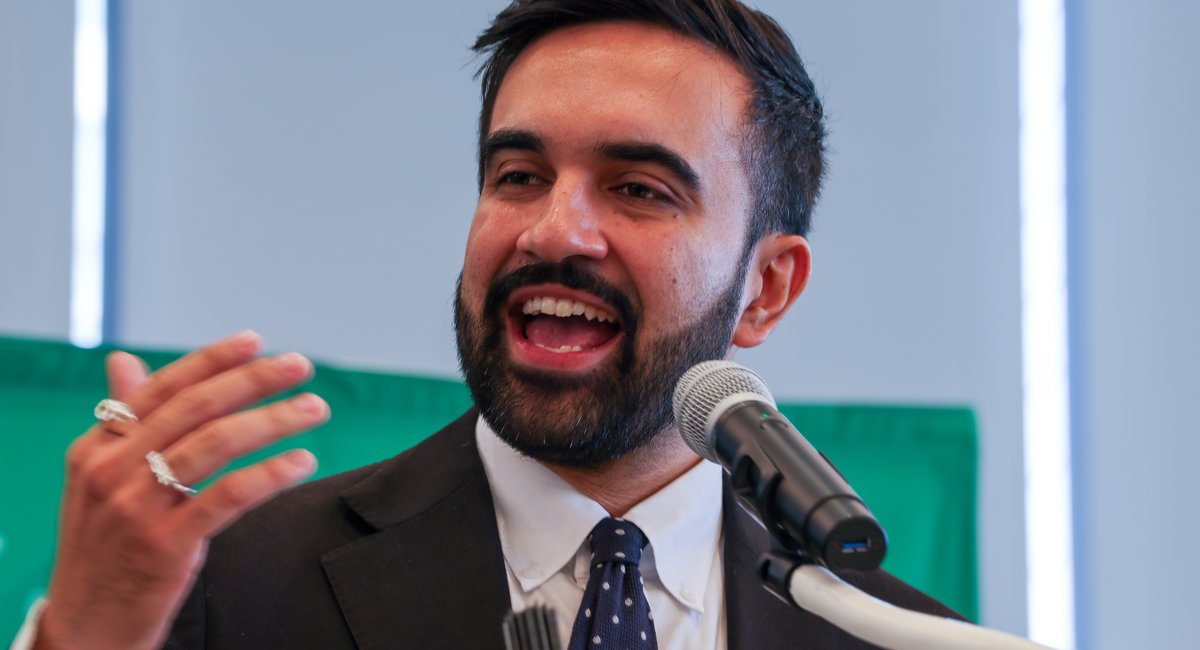
New York City Mayor Zohran Mamdani has made cracking down on unnecessary fees a central focus of his first weeks in office.
Now a top official in the Mamdani administration says the city will turn its attention to the various fees that landlords impose on renters, which increase housing costs, at a series of public events that begin Thursday evening in Downtown Brooklyn.
Cea Weaver, the director of the Mayor’s Office to Protect Tenants, told Gothamist that the events, which Mamdani has termed “rental ripoff” hearings, will give tenants an opportunity to air their horror stories about bad landlords and describe any payments they make on top of their rent.
“There’s a lot of things we don’t know and this question of fees is at the top of the list,” Weaver said. “There’s not very much policy or enforcement in that area.”
Tenants face a range of housing costs in addition to their monthly lease, including legal demands for security deposits, late rent penalties or pricey guarantor insurance to cover missed payments. Other fees, like water bills for tenants in rent-stabilized apartments or application fees above $20, are prohibited.
Last year, the city tightened restrictions on the most notorious strain renters face: broker fees. A law approved by the City Council shifted the responsibility for paying the agents who handle apartment listings and lease signings from tenants to landlords in most cases.
Weaver said her office is also hoping to learn more about the impact of tenant organizing in apartment buildings, the need for more emergency repairs in privately owned properties, and mounting housing code violations.
“I really think that the Mayor’s Office to Protect Tenants is about facilitating tenant organization and bringing the landlord to the table,” she said.
But Weaver said not to expect a spectacle where jilted renters grab the mic and riff in front of a roiling crowd of similarly situated tenants — like something you might see in a sitcom about local bureaucracy.
“We don’t want to put on a show, we want to give New Yorkers the opportunity to shape public policy,” she said. “You’re not waiting for a mic to do a ‘Parks and Rec’-style community feedback session.”
She said Thursday’s event will instead feature “science fair”-style stations about topics like housing code enforcement, tenant organizing and repair programs for attendees to learn more about available resources before having one-on-one conversations about their problems with senior staff from the city’s housing, buildings and consumer protection agencies. The information they share will then be entered into public testimony.
In an interview, Weaver responded to criticism from public housing tenants who worry they are being excluded from the hearings, which are focused on private-sector apartments, despite the raft of problems they encounter in homes where the city is the landlord. She said New York City Housing Authority tenants are invited to share their testimony and speak directly with representatives from the agency.
“No one is banned from these hearings,” she said.
Thursday’s event will take place at George Westinghouse High School on Tillary Street. Registration is full, however. Tenants can sign up to submit testimony or attend future hearings on the city’s website.
The rental-ripoff strategy has also faced sharp opposition from figures in the real estate industry, who say Mamdani is painting all landlords with a broad and negative brush.
Real Estate Board of New York President James Whelan cited his lobbying group’s latest report, showing only about 10% of buildings account for nearly all evictions in the city and about 94% of the most serious housing code violations.
“The new mayoral administration’s theatrics notwithstanding, what the data shows is that a very small percentage of buildings account for the lion’s share of violations, evictions and complaints,” Whelan said in a written statement.
He also pointed to financial constraints placed on owners of rent-stabilized apartments, where annual lease hikes are set by a panel of mayoral appointees. Mamdani has pledged to preside over four consecutive rent freezes and earlier this month named six people to the nine-member Rent Guidelines Board, which makes the annual decision to raise rents.
“The overwhelming share of property owners provide quality housing, create jobs and generate significant tax revenue for New York City, and these hearings will do little to address the city’s affordability and housing supply crisis,” Whelan said.