
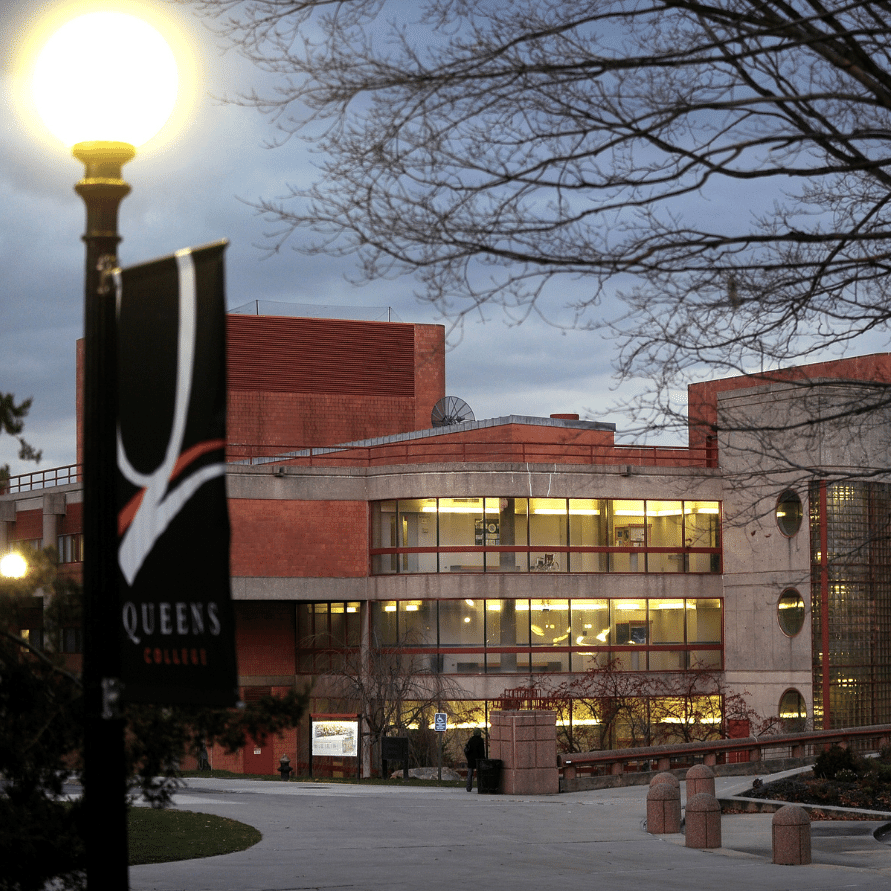
On most mornings at Queens College, students arrive carrying backpacks, coffee, and the weight of responsibilities that extend well beyond campus. Many commute from home. Some come straight from overnight shifts. Others rush off to part-time jobs after class.
It does not look like a feeder school for Wall Street. But appearances, it turns out, are misleading.
When I enrolled at QC, I did not imagine it as a pipeline to elite finance careers. As an immigrant and first-generation college student with no family connections in banking or hedge funds, Wall Street felt like a closed ecosystem, one dominated by Columbia, NYU, Harvard, and Princeton. Historically, that perception wasn’t entirely wrong. In the 1980s and 1990s, recruiting in finance was heavily concentrated in a handful of elite institutions. Outside those campuses, students were rarely even considered.
But something has shifted.
The internet flattened access to information. Technical interview prep that once lived behind Ivy League study groups now exists online. Students at public institutions can learn C++, system design, derivatives pricing, and quantitative modeling from the same resources as their peers uptown.
More importantly, students have built their own pipelines.
At QC, organizations like Code for All, Association of Latino Professionals For America (ALPFA), business clubs, hackathons, and peer-led technical workshops have created infrastructure that did not exist a decade ago. Students share referrals. Alumni return to mentor. Workshops simulate real interviews. Recruiters who once overlooked public schools are beginning to notice the outcomes.
I experienced that shift firsthand.
For me, breaking into JPMorgan Chase did not happen because a recruiter walked onto campus looking for QC students. It happened because I treated preparation like a full-time job. I built projects, practiced technical interviews relentlessly, and reached out to alumni who had once sat in the same lecture halls I did. One QC alum now working at a quantitative hedge fund took the time to speak with me about how to prepare for trading and engineering roles, walking me through how to think about probability, market structure, and performance under pressure. That conversation reframed what had once felt unreachable into something tangible and technical. It was no longer about pedigree. It was about preparation.
The motivation is different, too.
For many students here, a six-figure offer is not a status symbol. It is economic mobility. It is helping family with rent. It is paying off loans. It is stability.
For QC students, barriers like these require a great deal of initiative to overcome.
According to The Wall Street Journal, U.S. companies are increasingly narrowing their campus recruiting efforts to a shorter list of elite institutions. A 2025 survey of more than 150 employers found that 26% of firms recruited exclusively from a select roster of colleges, up from 17% in 2022, signaling a renewed emphasis on traditional target schools in entry-level hiring. Employers interviewed for the report noted that as the labor market cooled and diversity hiring initiatives declined, recruiting returned to pre-pandemic norms that favor familiar campuses and in-person engagement over broader outreach.
QC does not advertise itself as a Wall Street factory. It still looks like what it has always been: a commuter campus serving the city’s working and immigrant communities.
But quietly, something is happening here.
Students are teaching themselves advanced technical skills. They are building trading systems in dorm rooms and commuter lounges. They are interning at banks, hedge funds, and tech firms. They are leveraging alumni networks and student-led initiatives to access industries that once felt distant.
This is not a story about prestige replacing prestige. It is a story about access replacing exclusivity.
The pipeline from QC to Wall Street may not be polished or traditional. It may not have marble hallways or centuries-old endowments behind it.
But it exists.
And it is growing.