
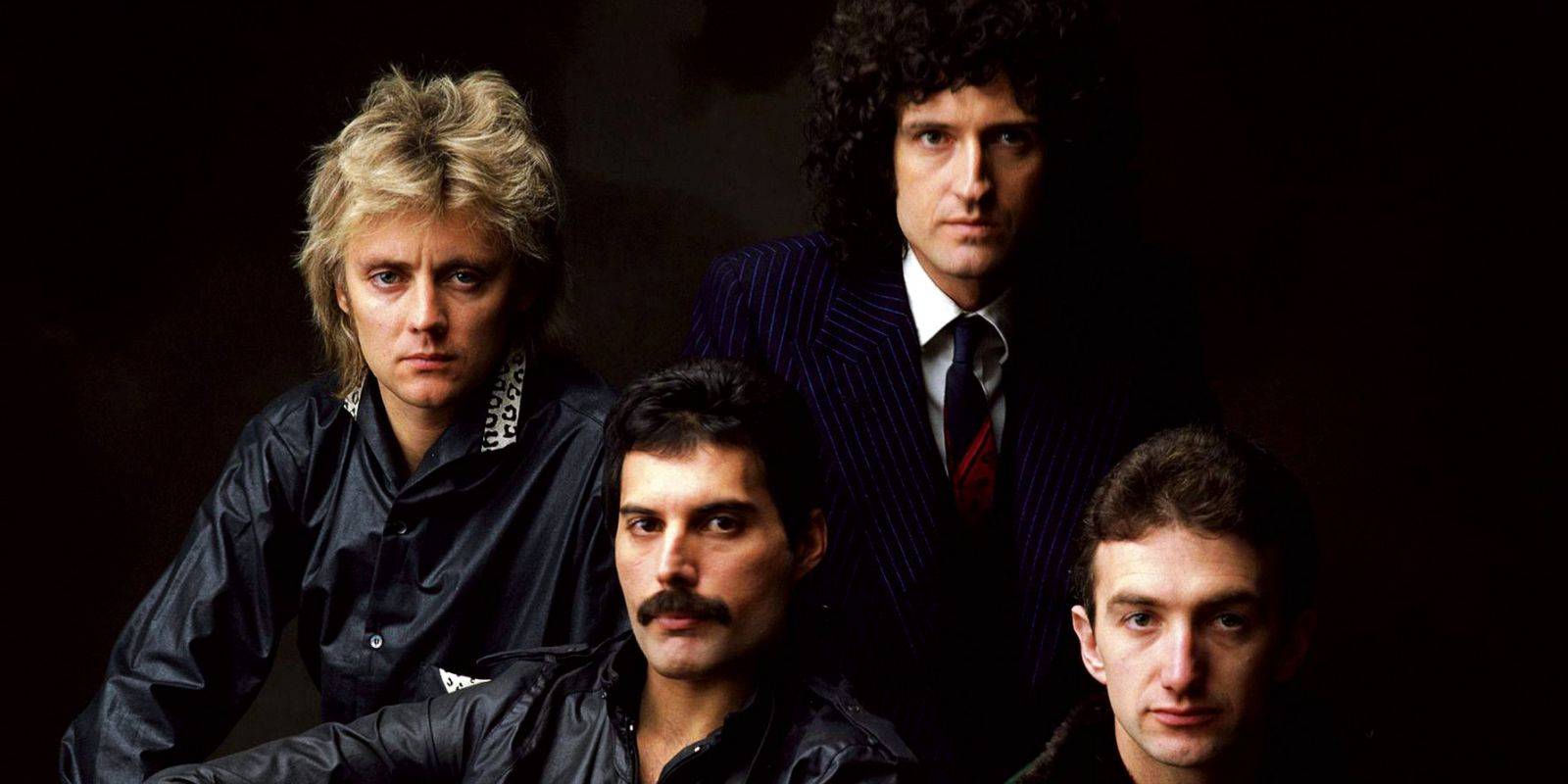
There is no contesting how great Queen is. Led by the magnetic Freddie Mercury, the English rock band is easily one of the greatest (if not the greatest) musical acts of all time. Apart from live performances that have gone down in history as some of the most epic and iconic, they also delivered tracks that continue to thrill listeners decades later. That includes “Don’t Stop Me Now,” a high-energy rock anthem that makes you want to dance every time you hear it. However, no matter how beloved the song may be, not everyone seemed to be a fan of it. That’s not to say fans and casual listeners alike treat it with low regard. In fact, it stands as one of the most celebrated Queen songs. Interestingly, though, the band’s lead guitarist, Brian May, expressed discomfort over it. But why, of all their songs, did “Don’t Stop Me Now” make him uncomfortable?
It really isn’t unusual when an artist doesn’t like their own work. Several musicians have publicly expressed resentment toward their songs, and in some cases, even their signature hits. These artists include Alanis Morissette (“Ironic”), Oasis (“Wonderwall”), Nirvana (“Smells Like Teen Spirit”), Radiohead (“Creep”), and many more. In May’s case, it’s not that he dislikes the song entirely; he’s just uncomfortable with it. While “Bohemian Rhapsody” holds the title of Queen’s biggest hit, “Don’t Stop Me Now” was a massive force in and of itself. Over the past decades, the track has grown in popularity, even becoming the band’s most-listened-to song in the streaming era, second only to “Bohemian Rhapsody.”
Brian May Thinks Freddie Mercury Downplayed Something Important on “Don’t Stop Me Now”
Released as a single in 1979, “Don’t Stop Me Now” is part of Queen’s 1978 seventh studio album Jazz — and perhaps the most beloved song among the album’s 13 tracks. The song was far from a chart-topping hit, especially upon its release, but it is considered a success in its own right. It is, in every sense of the word, the ultimate feel-good song, complete with an irresistible melody laced with anthemic and euphoric lyrics about living life to the fullest and having “a good time.” Despite that, May once shared that he didn’t like the song (at least at first) as he felt it was somehow downplaying the dangers of HIV/AIDS. However, over time, May’s perception of the song shifted when he realized “it gave people great joy.” He eventually came to accept that “Don’t Stop Me Now” is simply a great song. He said:
“I found it a little bit too flippant in view of the dangers of AIDS and stuff. But as time went on, I began to realize that it gave people great joy. I had to give in. It’s a great song — there’s no way around it. I think that’s what Freddie had an amazing knack of doing: he could put his button on things that make people feel a bit more alive.”
Related
John Lennon Resented Paul McCartney for Writing the Most Popular Beatles Song
Not writing this song was “the worst thing” for John Lennon.
May has since acknowledged the song’s impact, despite his initial discomfort, realizing that the joy it gave people was perhaps even bigger than the song itself. “It’s a phenomenon, that song. I’ve seen it played at all sorts of functions. It’s become the most requested song at hen parties and stag parties and marriages and weddings and funerals — just because it brings joy,” he said, adding, “I don’t have any quarrel with it now — I enjoy playing it onstage. It’s wonderful that everyone wants to sing it. In singing with us, they express their own joy and their own determination to make the best out of their lives, and to keep on and not get knocked down by things. It’s an amazing kind of spiritual lift. That’s what the song has become.”
Written by Mercury himself, “Don’t Stop Me Now” has been featured in commercials, television shows, and movies, most notably in the 2004 British zombie comedy, Shaun of the Dead, which went on to become a cult classic. Mercury passed away on November 24, 1991, at just 45 years old, from AIDS-related pneumonia. Though he was taken far too soon, he left behind a legacy that no illness could ever erase. That includes “Don’t Stop Me Now,” the song that — in May’s words — “gave people great joy.”