
As the prices for everyday essentials goes up, New Yorkers are wading through our nation’s affordability crisis.
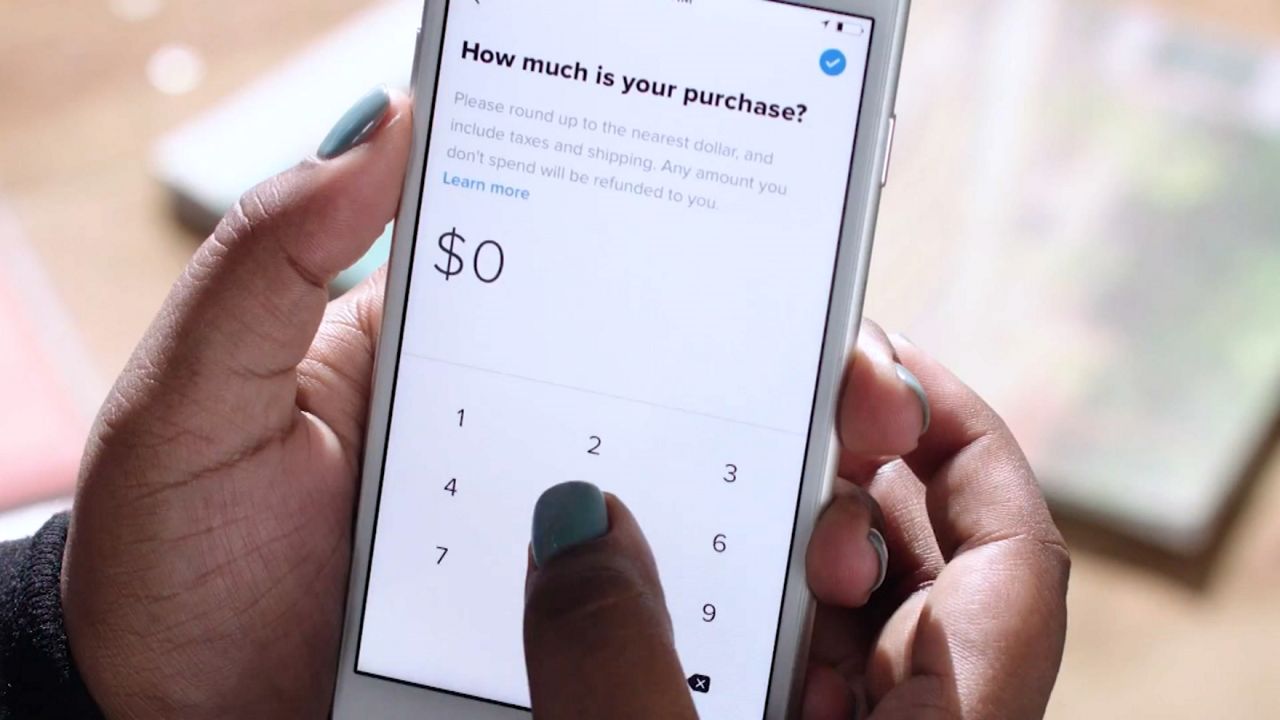
To cope, many are turning to buy now, pay later loans to fill financial gaps.
“Typically, many of the loans have 0% interest, and it’s four payments,” said Chuck Bell, programs director for advocacy at Consumer Reports. “You put 25% down when you buy something, and then you make a payment every two weeks for the next six weeks.”
To keep New Yorkers from being financially mistreated by buy now, pay later providers, the New York State Department of Financial Services has published new nation-leading proposed rules.
The guidelines include prohibiting excessive fees, making it clear if loans will be reported to credit reporting agencies, protecting consumer information from exploitation and misuse, and creating rules for the timely resolution of consumer disputes.
These new proposed guidelines support a law Gov. Kathy Hochul signed in 2025, creating a “comprehensive licensing and supervision framework for buy now, pay later providers” in New York state.
Bell said these proposed regulations would provide the “most comprehensive protections for consumers of any state.”
Bell said Consumer Reports had the opportunity to talk to the Department of Financial Services while it was working on these regulations.
“New York has dug into this issue and realized that consumers are vulnerable in a number of key places,” said Bell.
In a statement, New York State Department of Financial Services Acting Superintendent Kaitlin Asrow said in part: “It is our responsibility to ensure that innovation is paired with strong consumer protections, so that New Yorkers can safely and securely use new financial products.”
Republican state Sen. Bill Weber is a member of the New York Senate’s consumer protection committee.
“We’ll take a look at how the next year or so goes in terms of these new regulations and if there are modifications we need to make, I think we should take a look at that, but let’s go with the good regulations that she’s put into effect now or will go into effect after the waiting time,” said Weber.
Prior to going into effect, there are two commenting periods.
Once the commenting periods are over, the law and regulation will take effect 180 days after the rule is adopted. After that, there will be a transition period for buy now, pay later providers in the state, but it’s unclear at this time exactly how long that period will be.