
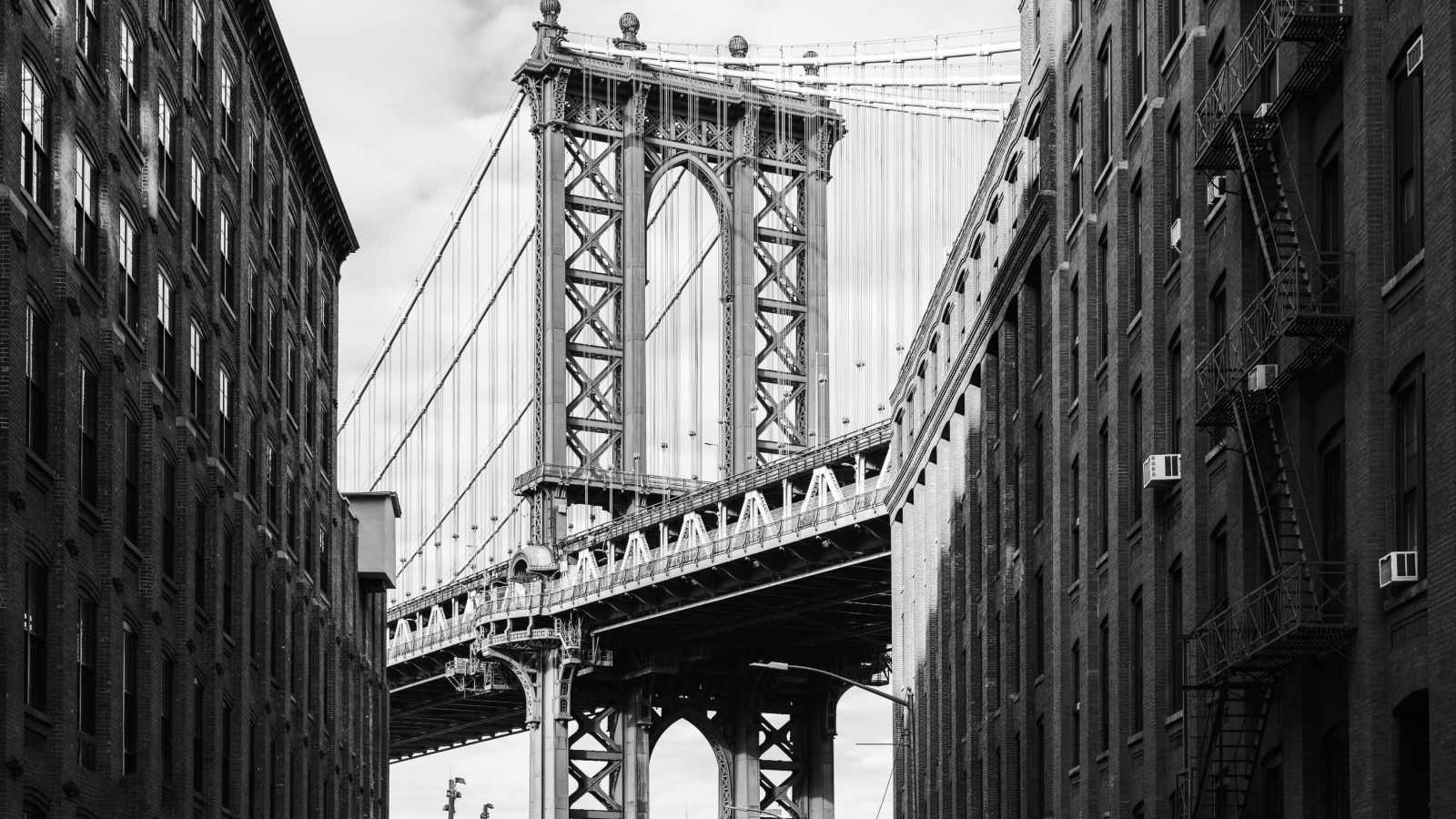
The French Connection (1971) is an iconic, Oscar-winning thriller starring Gene Hackman and Roy Schneider as a New York City cop duo pursuing an international drug ring. Director William Friedkin’s film has been lauded for its gritty realism, morally grey (or perhaps outright bankrupt) anti-hero and its revolutionary chase sequences that inspire filmmakers to this day.
Hackman’s Jimmy “Popeye” Doyle is a world-weary curmudgeon whose single-minded pursuit is undeterred by fallout or consequences. His investigation is a testament to the power of perseverance, albeit a perseverance that threatens to turn into an obsession that could drag him into the abyss à la Captain Ahab.
For business owners, Friedkin’s film has much to teach about both the value of perseverance and the danger of taking it too far. Beyond the text of the film, its production reflected that same ambition, with car chases shot on city streets without permits to achieve the realism for which the film is celebrated. It remains a landmark cinematic achievement from which business owners can draw inspiration from the protagonist’s win-at-all-costs attitude while also recognizing the warning about straying off course.
‘Doyle Is Bad News — but a Good Cop’
The film’s tagline serves as its contract with the audience. We will be following a renegade cop, and you might not like him, but he gets results, darnit. Doyle is among the most famous in a long line of anti-heroes, and he is barely within the parameters of this designation, who continue to populate film and television to this day. He stalks the decaying streets of New York City as a neon-lit hellscape familiar from many ‘70s films set in the early days of the war on drugs, ready to bust skulls to get what he wants. No sequence better exemplifies Doyle’s modus operandi than The French Connection’s most iconic chase, which sees him pursue his suspect across multiple forms of transportation, one shy of planes, trains and automobiles, before gunning him down in his tracks.
Editor’s picks
Doyle’s actual effectiveness is open to debate, and he will ultimately fail. What is never in question is his perseverance. It is the kind of lesson for business owners that relentless drive is often what allows leaders to rise above the pack. Doyle never lets setbacks or resistance slow him down, he does not wait for ideal conditions, and of course, he does nothing by the book, assuming he has ever read it.
In business, this same perseverance can be invaluable when navigating competitive and fluctuating markets, stubborn problems or enduring long timelines that don’t pay immediate dividends but for which the rewards are worth the wait.
The Rolling Stone Culture Council is an invitation-only community for Influencers, Innovators and Creatives. Do I qualify?
‘All Right, Popeye’s Here!’
Both the film’s protagonist and the filmmaking behind The French Connection were trailblazers in their own way. As mentioned, the film’s legendary chase sequence was filmed without permits, and Friedkin has said the production was lucky no one was hurt. Hackman, who would go on to win the Best Actor Oscar, was not the first choice for Doyle and frequently clashed with Friedkin over elements of the character, including his racism. The production was unconventional and riddled with obstacles, but much like Doyle breathlessly sprinting up a flight of stairs, the filmmakers pushed forward. The film even became the first R-rated movie in Academy history to win Best Picture.
Behind and in front of the camera, The French Connection stands as a case for doing things one’s own way. True innovation is rarely possible without discomfort, disagreement or risk. Friedkin’s willingness to push boundaries, think outside the box and navigate friction with those around him represent familiar obstacles for business owners. Leaders who trust their vision and navigate internal tension and chaos in pursuit of their long-term goals may stumble upon something truly one of a kind.
Related Content
‘Transferred out of the Narcotics Bureau and Reassigned’
By the film’s conclusion, after a staggering double-digit body count, Doyle’s pursuit of Alain Charnier leads him to a derelict warehouse. Rain falls through exposed piping and a shadowy figure moves in the darkness. Doyle mistakenly shoots Agent Mulderig, and when he realizes what he has done, he repeats what has become his codified mantra that he is going to get his guy. Doyle disappears down the corridor, and a title card informs us that Charnier got away. Doyle is reassigned.
Trending Stories
For business owners, it is a reminder of the tightrope between perseverance and obsession. Try as one might, some things are simply not meant to be. It may be a campaign that never quite gels, a partnership forcing square pegs into round holes, or an acquisition that fails to align with a broader strategy. There is nuance in weighing the virtues of an ends-justify-the-means approach. Some leaders rule with an iron fist and achieve remarkable results, while others succeed through collaboration and trust. But when the desired outcome never materializes, all that effort risks producing only burnout and wasted energy. Perseverance can get you far in life or in business, but sometimes we must accept when the best-laid plans are not going to work out.
Even the real-life inspiration for “Popeye” Doyle, Eddie Egan, would eventually pivot, improbably becoming an actor. One imagines Egan might have challenged Hackman’s own legendary on-set prickliness, judging by accounts of his time as a consultant on The French Connection and he and Hackman’s animosity. If the inspiration for this iconic ’70s film’s reimagined Captain Ahab can go from narcotics detective to film actor, anyone can pivot.