
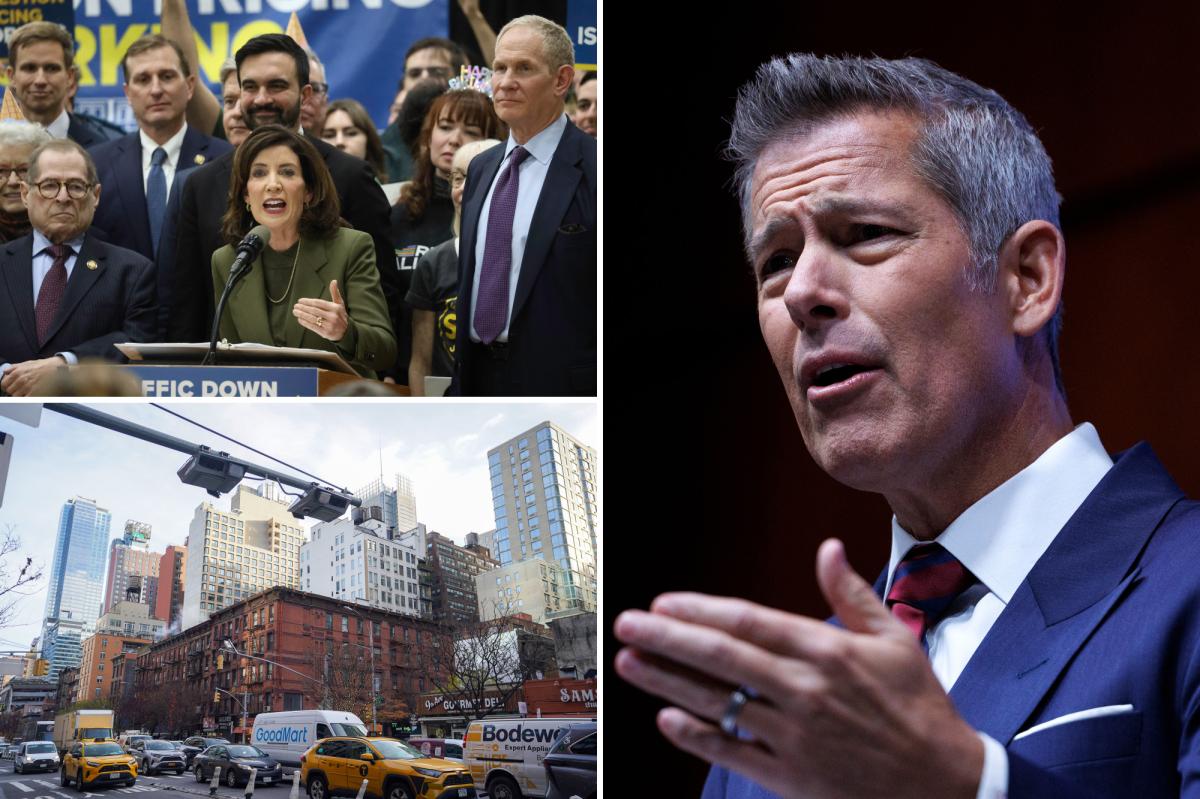
The Trump administration’s effort to kill New York’s congestion pricing scheme is “unlawful,” a Manhattan federal judge ruled Tuesday.
Judge Lewis Liman found that US Transportation Secretary Sean Duffy’s move to unilaterally scrap the first-in-the-nation tolls, via a series of letters sent to Gov. Kathy Hochul in 2025, wasn’t legal under the agreement signed by the state and federal government years earlier.
“The Secretary’s actions were arbitrary and capricious, an abuse of discretion, and not in accordance with law,” the ruling states. “Plaintiffs are thereby relieved of the obligation to cease tolling operations.”
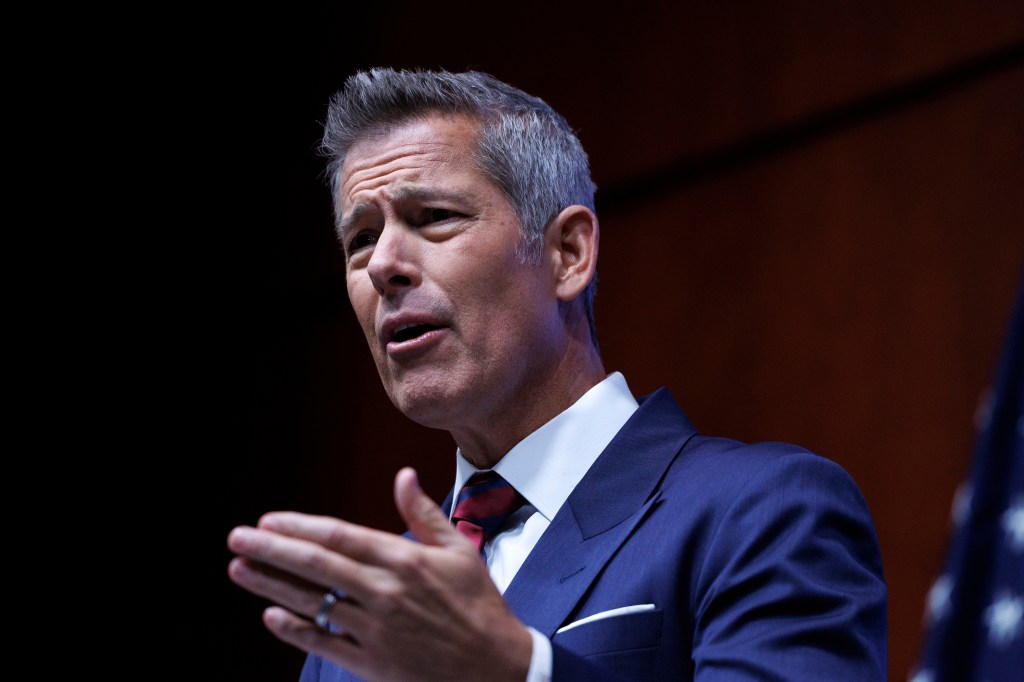 Judge Lewis J. Liman wrote that Transportation Secretary Sean Duffy’s (above) effort to unilaterally end congestion pricing in a letter sent over a year ago was not permitted. AP
Liman in May issued a temporary restraining order to keep the toll cameras on, handing Hochul, the MTA and transportation advocates a win after they filed suit to stop the feds from ending the program.
But the new ruling appears to put an end to Duffy’s attempt to kill the tolling agreement using letters — including one February 2025 missive declaring congestion pricing “dead” — and threats to withhold federal funding.
“The Defendants’ termination of the VPPP (Value Pricing Pilot Program) Agreement was unlawful, and that any attempt to enforce the February 19 Letter or April 21 Letter would be unlawful,” Liman wrote.
The US Department of Transportation didn’t immediately comment.
Supporters who joined the MTA’s lawsuit hailed the judge’s ruling and claimed victory over a year-long legal battle that, at one point, Duffy’s own lawyers said had little chance of success.
“The judge’s decision is clear: Donald Trump’s unlawful attempts to trample on the self-governance of his home state have failed spectacularly,” said Hochul. “Congestion pricing is legal, it works, and it is here to stay. The cameras are staying on.”
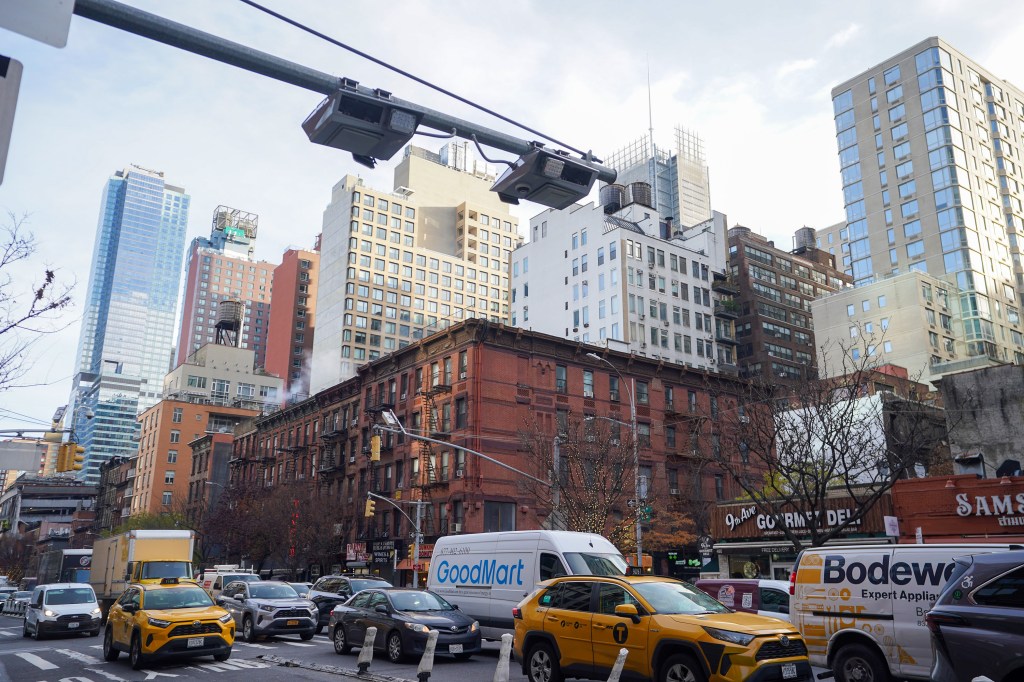 A federal judge ruled Tuesday that the Trump administration’s effort to end New York’s congestion pricing scheme was “unlawful.” Robert Miller
MTA Chair Janno Lieber said the judge’s ruling “leaves no doubt: congestion pricing is legal.”
“Today—once again—Secretary Duffy failed and New York is winning.”
Liman did decline to grant a request from the MTA and other congestion proponents that federal termination of the toll only be permitted with their sign-off, calling that ask “overbroad.”
But by issuing a declaratory judgement — instead of a simple dismissal — Liman’s ruling severely limits what the Trump administration could argue on appeal.
Start your day with all you need to know
Morning Report delivers the latest news, videos, photos and more.
Thanks for signing up!
Liman also noted that declaratory judgment would “afford relief and insecurity” to bond investors, noting that the MTA claimed “insecurity has depressed the value of the bonds (and thereby presumably raised [MTA’s]’ cost of capital).”
“After more than a year of success, saving commuters time and raising money to fix the subway, Judge Liman’s exacting decision stops a vengeful federal government from punishing working New Yorkers for such a resounding public policy victory,” said Danny Pearlstein, spokesperson for the pro-congestion transportation advocacy group Riders Alliance.
The $9 tolls have been in effect since January 2025 for drivers in Manhattan below 60th Street.
The tax is set to go up to $12 in 2028 and $15 from 2031 onward.
The MTA initially predicted the toll would raise $500 million in the first year — but said last month the tolls netted over $60 million more than anticipated.
The agency also said that traffic in the congestion zone decreased by 11%.