
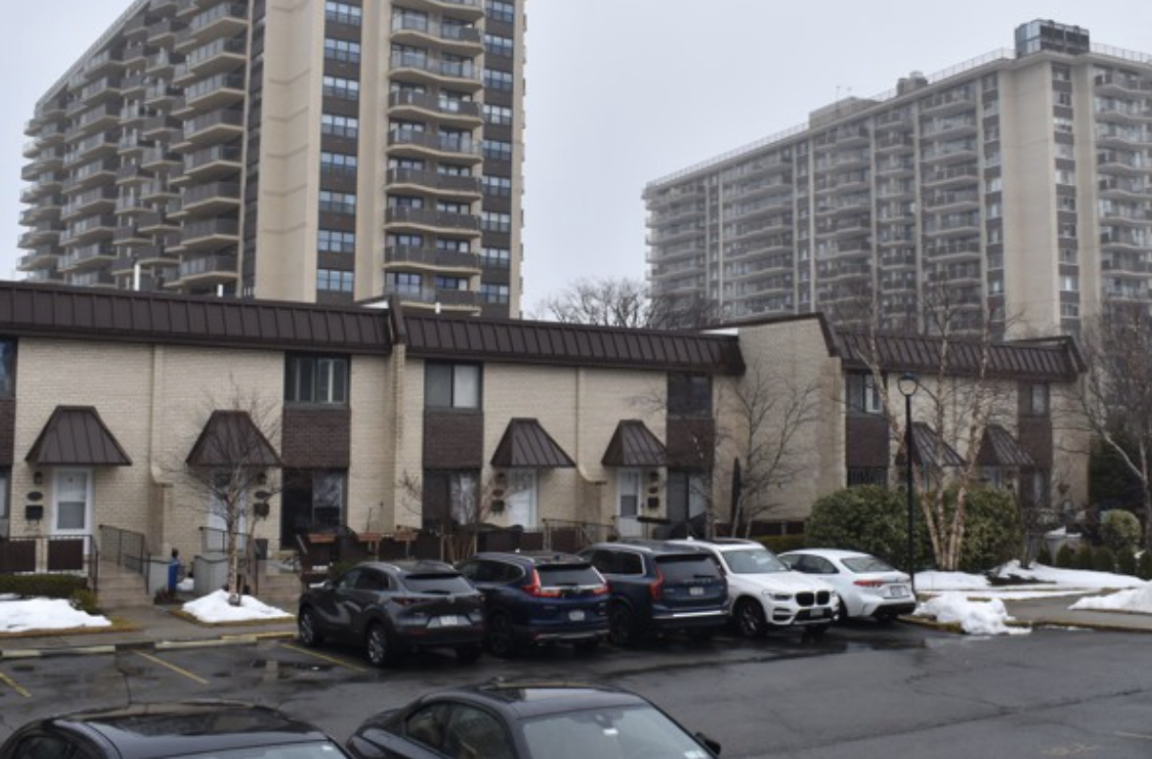
As president and chief financial officer of the Glen Oaks Village co-op in Queens, Bob Friedrich balked at the $50 million price tag for installing new heating and cooling systems for every building within the large complex, a step required by New York City’s Local Law 97, which aims to slow climate change by drastically reducing greenhouse gas emissions from city buildings.
The low-hanging fruit such as installing insulation, updating windows and making valve changes had already been accomplished as part of the first phase of the law. Now it was time for the big stuff. “Most co-ops are kind of on the financial edge, so adding more debt is not an answer,” said Friedrich. “A clean environment and affordable housing (should not be) a binary choice. You can have one without destroying the other.”
Glen Oaks comprises 134 buildings across 125 acres and houses roughly 10,000 people. Finding $50 to $70 million for the required upgrades is nearly impossible, Friedrich said. Instead, the co-op will probably end up paying the hefty fines, starting at $1 million per year, he said.