
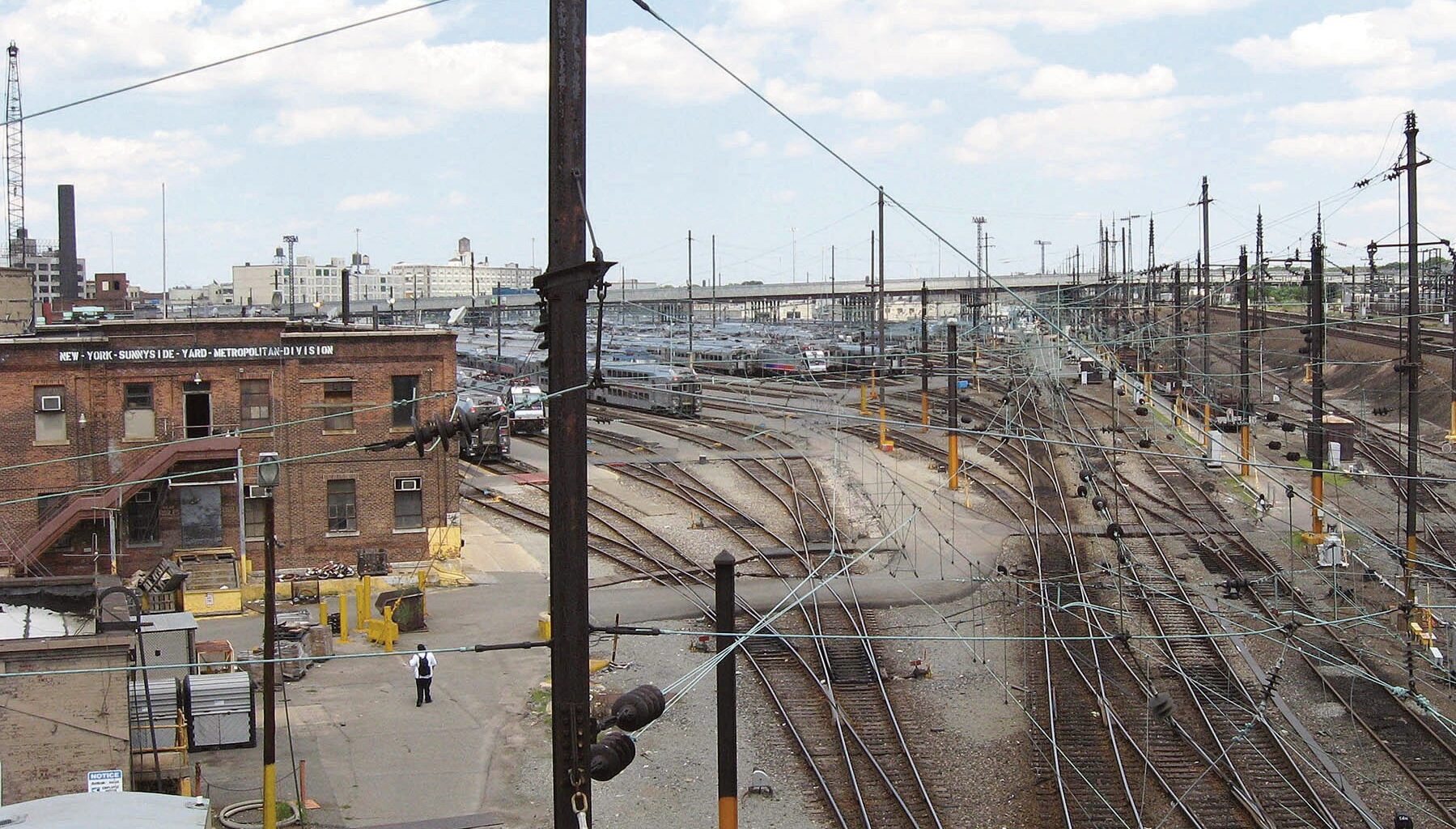

New York City Mayor Zohran Kwame Mamdani met with President Donald Trump on February 26 to propose a historic investment in affordable housing at Sunnyside Yard, home to the busiest rail yard in North America. The proposal represents a once- in-a-generation opportunity to confront the city’s housing crisis at the scale it demands. “New York City is facing a generational affordability challenge,” Mayor Mamdani said. “Working families are being priced out of the neighborhoods they built. To meet this moment, we need a true federal partner prepared to invest boldly and act urgently. I appreciated the opportunity to speak directly with President Trump about building more housing in any single project than our city has seen since 1973.” Photo public domain
New York City Mayor Zohran Kwame Mamdani met with President Donald Trump on February 26 to propose a historic investment in affordable housing at Sunnyside Yard, home to the busiest rail yard in North America. The proposal represents a once-in-a-generation opportunity to confront the city’s housing crisis at the scale it demands. At the center of the discussion: securing more than $21 billion in federal grants to construct the world’s largest deck over the site, allowing the City to build 12,000 new affordable homes, including 6,000 new Mitchell-Lama-style homes; create 30,000, good-paying union jobs; and deliver new parks, schools and health care clinics. If realized, the project would mark the largest housing and infrastructure investment in New York City in more than 50 years.
“New York City is facing a generational affordability challenge,” Mayor Mamdani said. “Working families are being priced out of the neighborhoods they built. To meet this moment, we need a true federal partner prepared to invest boldly and act urgently. I appreciated the opportunity to speak directly with President Trump about building more housing in any single project than our city has seen since 1973.”
Mayor Mamdani emphasized the need to strengthen financing tools that support affordable development, preserve public housing, and modernize regulatory pathways to accelerate construction without sacrificing labor standards or community input. He also underscored the city’s commitment to transparency, fiscal responsibility, and collaboration in deploying federal funds – ensuring every dollar delivers safe, affordable housing for New Yorkers.
Both parties agreed to continue discussions in the weeks ahead.
Queens Borough President Donovan Richards Jr. stated the following in response to a proposal outlined in an Oval Office meeting between Mayor Mamdani and President Trump to redevelop Sunnyside Yard, the sprawling 180-acre train facility in Sunnyside. According to the Mayor’s Office, the plan the mayor and president discussed would see the world’s largest deck constructed over the yard to allow for the creation of 12,000 units of affordable housing, schools, healthcare facilities and more — funded, at least in part, through $21 billion in federal grants. “Sunnyside Yard’s untapped potential as New York City’s next great community is even more immense now than it was a decade ago, when the city first proposed such a redevelopment plan. As we struggle still in 2026 to address our city’s unprecedented housing crisis, it would be a dereliction of duty to not strive toward building thousands of affordable homes, schools, parks, healthcare facilities and more — like a new arena specifically for the New York Liberty — atop Sunnyside Yard,” said Borough President Richards. “Mayor Mamdani campaigned on making housing more affordable for New Yorkers, and I commend him for continuing to advance that conversation on a national scale by advocating directly to President Trump about the need to build more homes in their shared native borough. In the event that New York City does secure significant federal investment for this project, I would strongly encourage the administration to conduct a comprehensive, community centered planning process that takes into account the current and future needs of The World’s Borough.”
Council Member Julie Won’s statement on proposed Sunnyside Yard Development Project: “One day after President Trump’s State of the Union, where he attacked and degraded our immigrants and trans communities, the mayor opted to meet with the President re-proposing a failed housing project in my district. Six years ago, Congresswoman Alexandria Ocasio-Cortez, Senator Gianaris and my predecessor, Council Member Jimmy Van Bramer, along with community advocates, ended the Sunnyside Yard project due to a myriad of concerns. Any proposal that reshapes Sunnyside Yard must begin with the neighbors who live here. Our community deserves a seat at the table long before anyone, including the mayor, makes headlines in the Oval Office especially for a project they have previously rejected. Currently, there are no public approvals in place for this project— City Hall should commit to a ULURP process with the Council and the community for such a significant change for a project of this scale. The City’s housing crisis demands solutions that center local voices and working families. Community centered planning requires transparency, early engagement, firm commitments to affordability, social infrastructure, feasibility, and protections against displacement. I welcome the opportunity to build more deeply affordable housing and other federal investments for public transit and other infrastructure, but it cannot be done behind closed doors unilaterally.”