
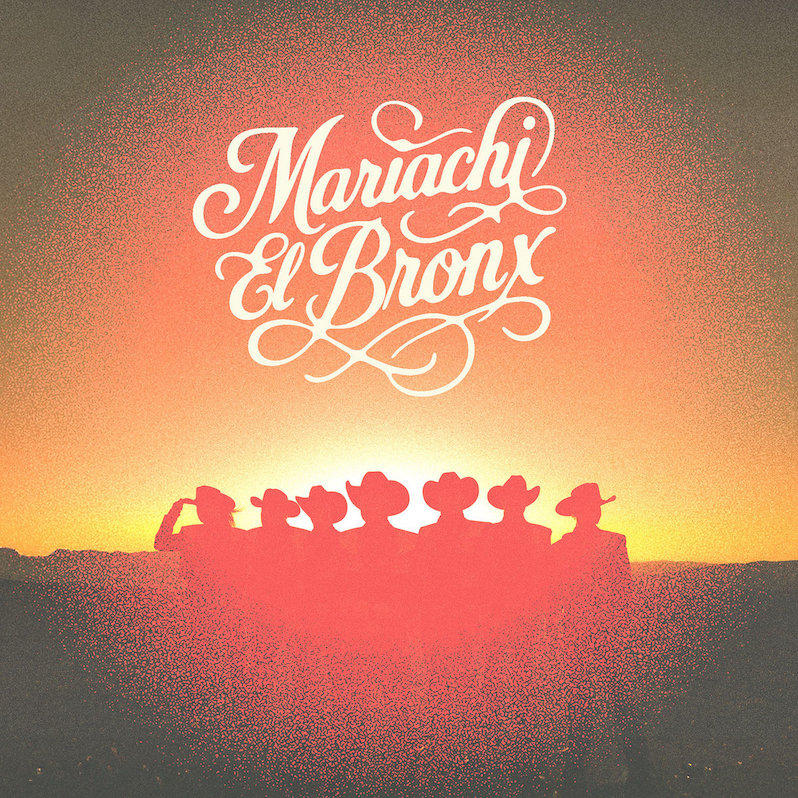
When The Bronx debuted their Mariachi El Bronx project a little over 15 years ago, there would have been fair concern about its sincerity. After all, a group of white punks putting on the cultural affect of ethnically distinct music has had, let us say, a dubious history in the past. The intervening years and subsequent tours of this material have been kind to The Bronx though, putting roughly as much effort into what might otherwise have been called a side-project as they have their “main” output under their initial name. Touring with other Latin music artists when supporting this material certainly helps as well; after all, to those attuned to it, mariachi is much like reggae in its origins as an ethnically distinct formulation of otherwise perfectly recognizable music, country-folk in this case, which has always been a form of music that takes on the regional character of its practitioners. It is now not uncommon for people to prefer the Mariachi records to the Bronx albums, II especially, which remains regardless a highlight of their entire collected body of work.
So, twelve years later, a returning project under the name immediately stoked my fevered interest. The sociopolitical moment also lends a heft to this project as well as a weary eye; the fruits of well-executed and lovingly produced Latin music are potentially great while fumbling the ball could be quite fatal. Luckily for El Bronx, it certainly errs more to the former than the latter. The performances here are charismatic as always. You rarely if ever doubt the sincerity of the music on display here, which never feels like a punk band jamming with a street band, instead feeling of a piece the whole way through. The opening cut offers a stretch of guitarrón duetting against the horn section while their violinist plays a third-order countermelody below; it’s a rich and wonderful moment of musical love on display, allowing the ethnic flavor of the instrumentation and arrangement to shine over the lyrics or vocals. One of the key lessons of punk, one the Bronx are very familiar with, is being music of the people and thus always willing to reach into the world of folk to speak a native tongue fluently. They do a capable job.
However, they are suddenly challenged by an era where Bad Bunny is in sharp and well-deserved ascent while on YouTube groups like EZ Band are playing insanely beautiful norteno covers of songs of the pop and rock songbook, showing the breadth of Latin music’s capabilities both in contemporary and historical forms. It’s an odd shadow for El Bronx to contend with; after all, when those initial records of theirs were dropping, the prominence of Latin folk music beyond the southern border was functionally non-existent, especially in punk spaces with a sizeable Latino population. Their return in the present moment, to be clear, doesn’t read as opportunistic, more obviously influenced by the political pressures on a community that they have drawn from and thus seem to feel a reasonable amount of indebtedness to. However, lacking a clear soaring-heart ballad like “48 Roses” on this set makes it hard to be enthused about the offerings on display here. The music is, understandably, slower and somewhat more dour, focusing on the darker hues of longing rather than the open romanticism of more uptempo and major key numbers.
This leads to a kind of sonic fatigue. None of these pieces are unsatisfactory; “All Things” is a beautiful and moving song about the breaking apart of love, while “Gambler’s Prayer” is a dusty graveyard ode to exactly the kind of lowlives and scoundrels that folk, country and blues once made their bread and butter. “Into the Afterlife,” the album closer, is a perfect song to cinematically be gunned down to, with that smiling bleak acceptance of the broken bones and spilled blood of life we associate with exploitation films and the stark end of detective and crime fiction of this kind of world. The issue is that, all in a set, these individual successes lose their individual power. There isn’t quite enough tonal variation to make each of these moments hit as hard as they could; likewise, they rarely get truly funereal and dirge-like to really wring sorrow from the bone on these pieces either. It’s a body of work that will undoubtedly work well in live sets balanced against more uptempo and brighter numbers, but which as a set apart feel good but unfortunately incomplete.
Label: ATO
Year: 2026
Similar Albums:

 Mariachi El Bronx (IV) by Mariachi El Bronx
  Langdon Hickman
Langdon Hickman is listening to progressive rock and death metal. He currently resides in Virginia with his partner and their two pets.