
(Decoded secret letters reveal royal plot against Queen Elizabeth I)
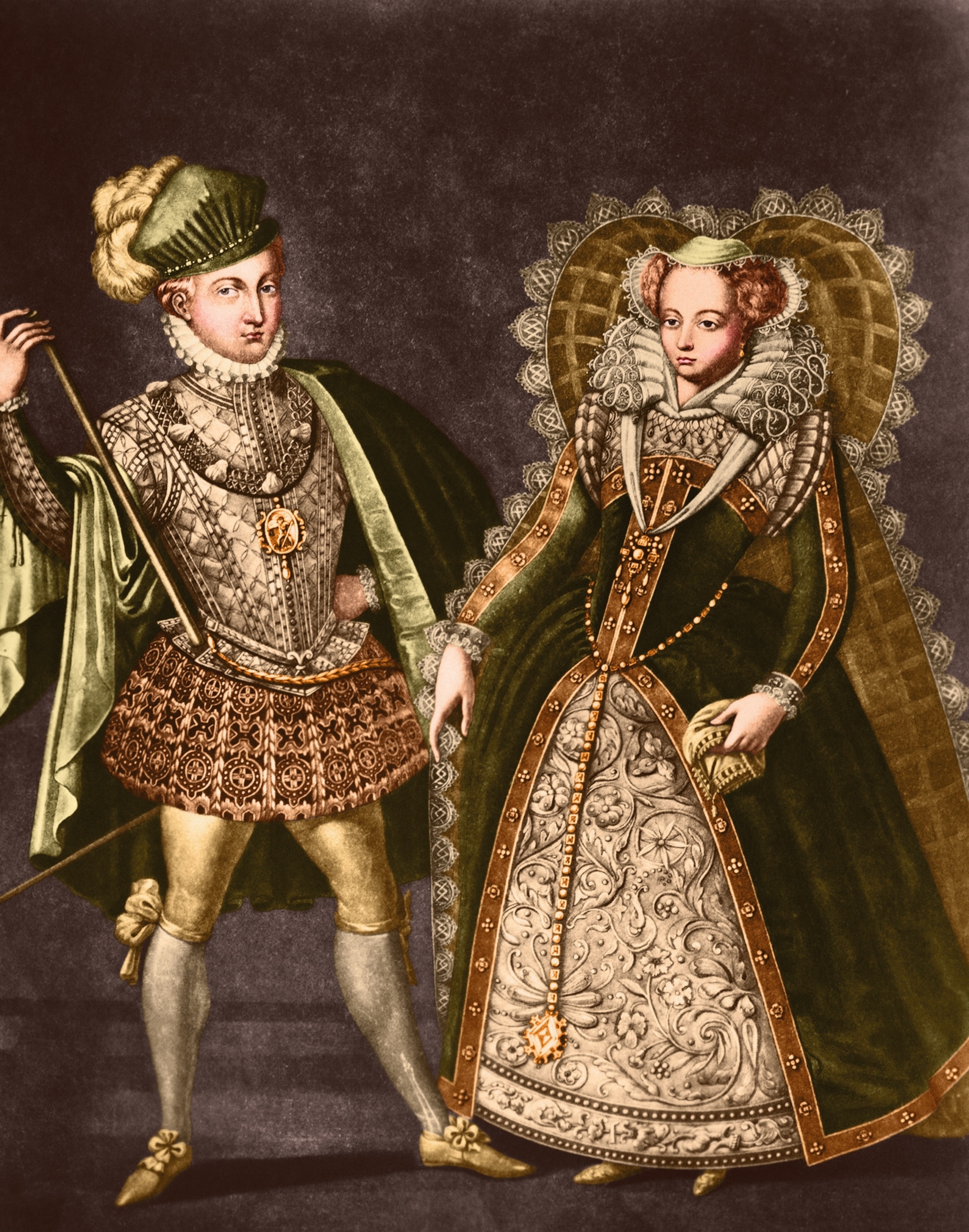
Lord Darnley and Mary Stuart. Color-enhanced engraving.
ALBUM
A violent end
Darnley was as handsome as he was hot-tempered. Less than a year after their wedding, driven by jealousy, he orchestrated the murder of the queen’s private secretary, David Rizzio. From that moment on, the royal couple lived separate lives. Darnley spent long periods in remote castles, far from Edinburgh, while the queen began to visit the Earl of Bothwell, the leader of her followers, who was recovering from wounds inflicted by border bandits at Hermitage Castle. Rumors soon spread that the two were lovers. Nothing reconciled the royal couple’s rift, even the birth of an heir, James, in 1566. Eventually, a group of Catholic nobles, including Bothwell, resolved to eliminate Darnley. He died under mysterious circumstances at Kirk o’Field collegiate church. Although the lords of the council believed that Bothwell was behind the murder, he was acquitted after a trial before Parliament. Just weeks later, he married Mary.
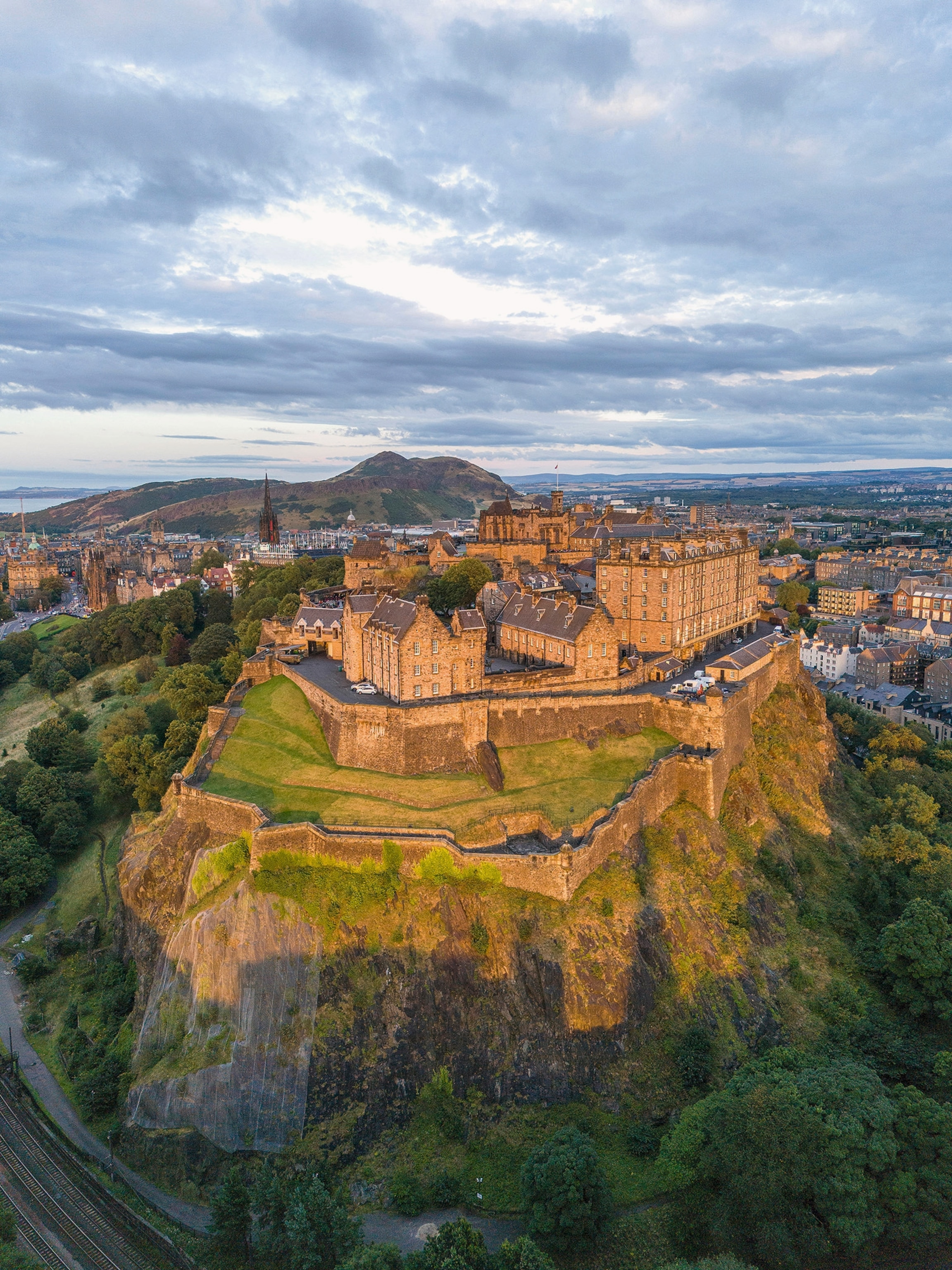
EDINBURGH CASTLEProtected by cliffs on four sides, this fortress served as the official residence of Scotland’s monarchs from the 11th century to the 17th.
AWL IMAGES
This marriage marked another deeply controversial chapter in the queen’s life. As Mary returned to Edinburgh after visiting her son, James, who had been placed at Stirling Castle for his own safety, Bothwell abducted Mary, taking her to Dunbar Castle where, according to witness James Melville,“he had ravished her and lain with her against her will.” Some argued she colluded with Bothwell to stage her own capture, consummating the union willingly in order to appear forced to marry him, given that a willing marriage to the prime suspect in her husband’s death would prove scandalous. Debate still lingers about whether or not the queen collaborated in her own abduction.
Attack on the king consort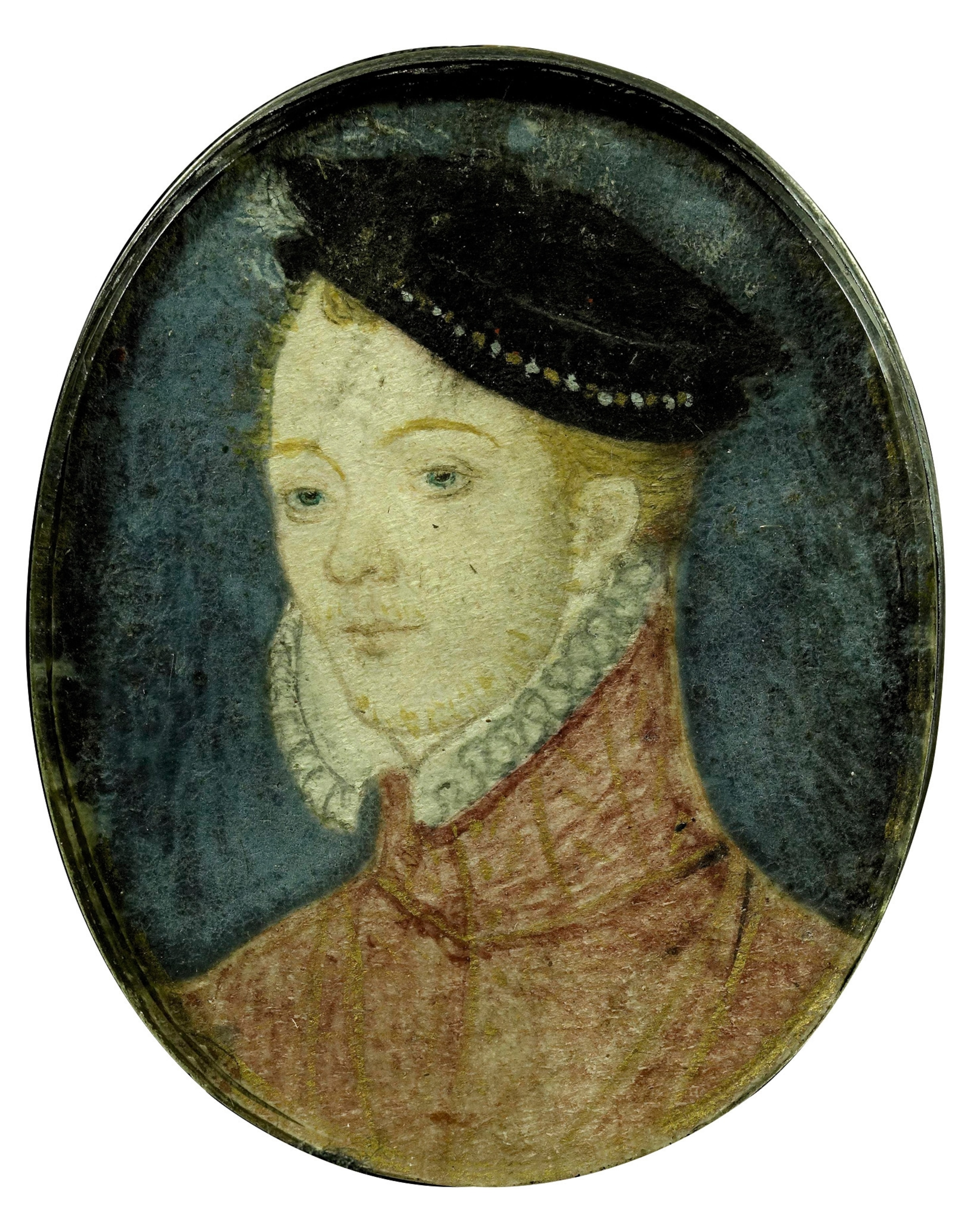
Lord Darnley shown in a 17th-century miniature portrait.
ALBUM
Shortly after the murder of Lord Darnley, Mary Stuart’s second husband, this drawing was crafted to illustrate the circumstances of the crime. The murder took place at Kirk o’Field, a Catholic church in Edinburgh that would fall into disrepair following the Protestant Reformation. In early 1567, Darnley was staying at the Old Provost’s lodging on the church’s grounds. In the early hours of February 10, the house was destroyed by an explosion, reportedly caused by a barrel of gunpowder, though it is likely that the building was mined, reducing it to rubble. The lifeless bodies of Darnley and his servant, Taylor, were later found on the other side of a wall, untouched by the blast. There were no visible injuries from the explosion, suggesting they had likely fled from their bedchambers and been strangled nearby.
The drawing depicts Taylor’s burial and the transfer of Darnley’s body. In the upper left corner, Darnley and Mary Stuart’s young son, the future James VI of Scotland and James I of England, cries out from his bed: “Judge and revenge my cause, O Lord.” He would have been nearly eight months old at the time.
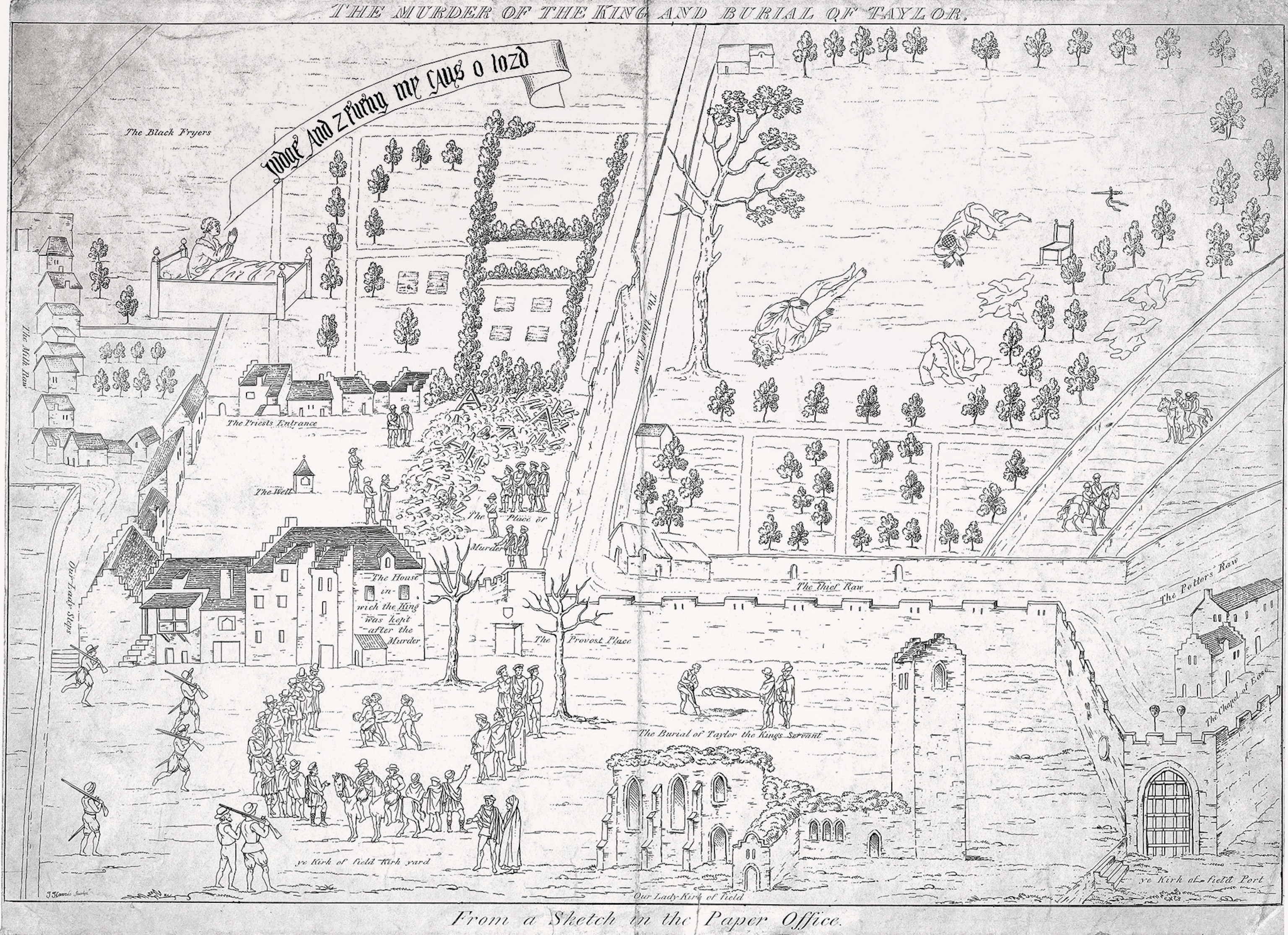
19th-century copy of the 16th-century drawing (created after the crime) depicting the events surrounding Darnley’s murder.
SCALA, FLORENCE
The marriage of Mary and Bothwell was both unpopular and disastrous. Catholics considered the marriage illegitimate because the ceremony was conducted according to Protestant rites and because Bothwell had previously been divorced, yet both Protestants and Catholics found the union highly suspicious. Taking advantage of the situation, the Protestant lords took up arms. In the standoff at Carberry Hill, Mary surrendered, and Bothwell was allowed to leave. He later escaped to Norway. As for Mary, she was captured, imprisoned in Lochleven Castle, and forced to abdicate in favor of her one-year-old son, while Moray assumed the regency.
(London’s most notorious thief was also a hero of the people)