
By HWM
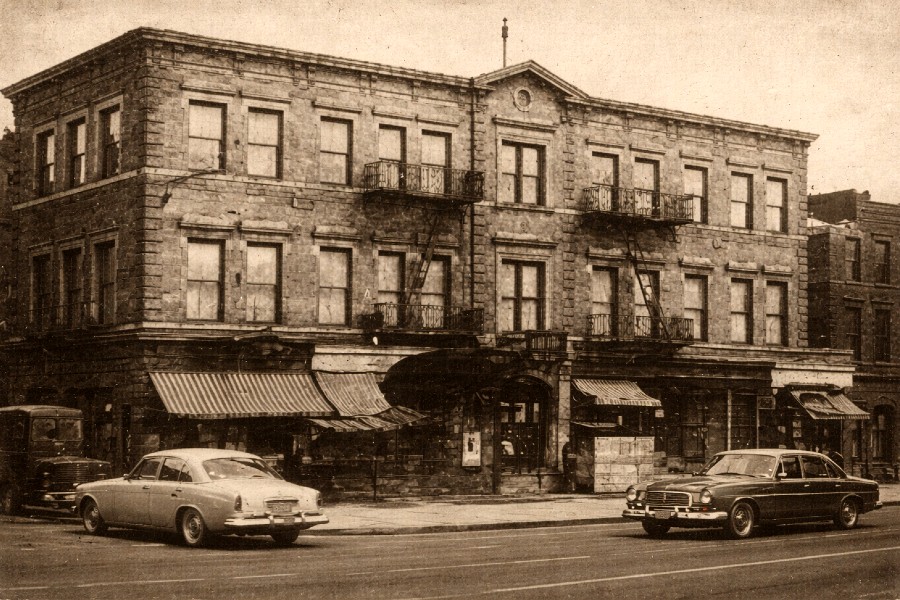
In December 1920, Edward “Ed” H. Wilson, an entrepreneur from Pine Bluff, Arkansas, unveiled the Hotel Olga at 697 Lenox Avenue.
On the corner of West 145th Street in Harlem—a modest three-story brick edifice, originally built in 1898 as McAvoy’s Saloon.
Never miss new stories in Harlem
With financing from A’Lelia Walker, daughter of haircare magnate Madam C.J. Walker, Wilson transformed it into an elegant 75-room refuge expressly for African-American travelers, at a time when even Harlem’s landmark Hotel Theresa remained a whites-only bastion until 1940.
For nearly 25 years, spanning the Harlem Renaissance, the Great Depression, and World War II, the Olga stood as a vital crucible of tourism and culture, its mahogany-furnished rooms, steam heat, and library drawing the era’s elite.
A Sanctuary Amid Segregation
In the Jim Crow shadow of the 1920s, motorists and visitors faced “No Negroes” signs at nearly every midcentury hotel from Manhattan to Los Angeles. The Negro Motorist Green Book would soon list the Olga as a premier safe harbor, but Wilson’s venture predated it, filling an urgent gap in America’s most vibrant metropolis. Priced from $1 a night, its amenities—hot and cold running water, reading parlors, and attentive service—offered rare dignity to doctors, lawyers, entertainers, and intellectuals barred elsewhere.


Bessie Smith (1894-1937), who earned the nickname “Empress of the Blues” as one of the most popular and influential blues singers of the 1920s and 1930s, stayed at the Hotel Olga in 1927.
This wasn’t mere lodging; it was a statement of ambition, rising amid rent parties and speakeasies.
Renaissance Epicenter
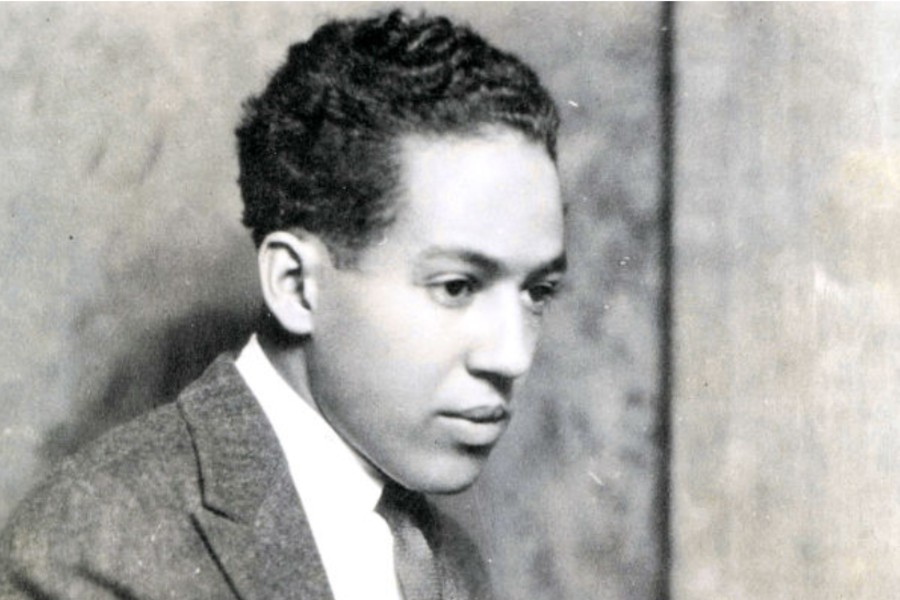
The Hotel Olga quickly became an unofficial salon of the Harlem Renaissance, hosting luminaries who shaped 20th-century culture. Trumpeter Louis Armstrong made it a second home through much of the 1930s, composing amid its quiet corridors. Blues empress Bessie Smith, philosopher and the “Dean,” Alain Locke, legendary “Empress of the Blues” Bessie Smith, boxer Joe Louis, pitcher Satchel Paige, and NAACP convocations filled its registers, turning the lobby into a nexus of jazz, activism, and athletic prowess.
As Harlem pulsed with Langston Hughes’s poetry and Duke Ellington’s horns, Wilson’s haven cradled the traveling talents who electrified the Cotton Club—yet could not sleep there.
NYCLGBT sites writes that Harlem historian Eric K. Washington notes, “In an era when Harlem’s now iconic Hotel Theresa still loomed as a citadel of racial exclusion, Wilson conjured up his swank haven for ‘the Race’ from an earlier mixed-race watering hole on the same site, the Dolphin Hotel.”
Endurance Through Crisis
Through the 1930s crash and wartime rationing, the Olga endured, its resilience mirroring Harlem’s own. Wilson managed it personally, navigating labor shortages and economic tremors while maintaining standards that rivaled white counterparts. Guests recall sumptuous meals in the dining room and a sense of unhurried belonging rare for transients of color.
By the 1940s, as integration whispers grew, the hotel adapted, hosting civil rights strategists and GIs returning from Europe. It closed midcentury, its legacy etched in faded Green Books and oral histories.
Echoes in Empty Space
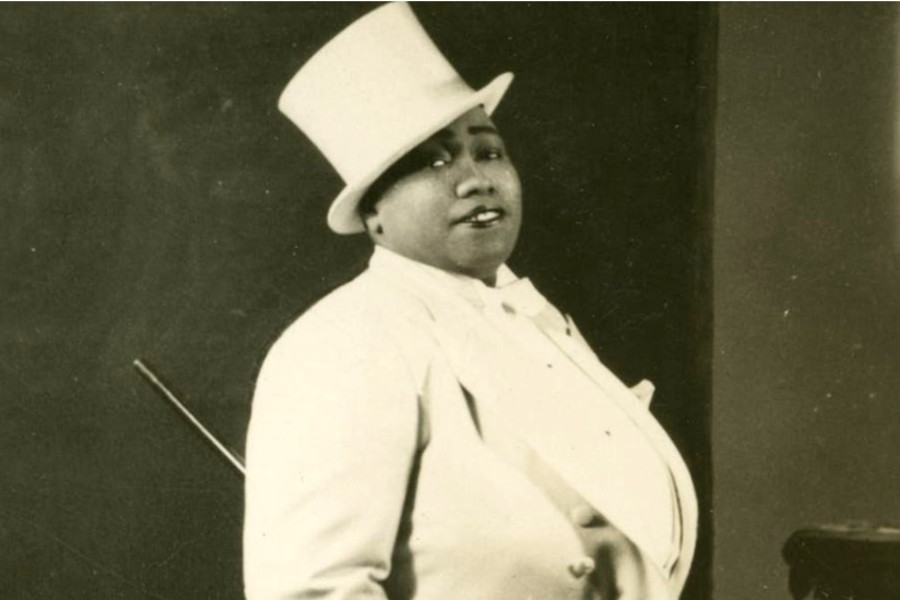
Demolished in 2019 after decades as a derelict shell, the site now sits as a Harlem void, mourned by preservationists as a lost LGBTQ with Gladys Bentley and historical landmark. Wilson, whose life beyond the Olga remains sparsely documented, poured his fortune into this singular triumph—no records spotlight other ventures, though his Pine Bluff roots hint at earlier grit.
Today, successors like the Tapestry Collection by Hilton, Aloft Harlem or Renaissance New York Harlem Hotel nod to its spirit, but none recapture Olga’s defiant glamour. In an era of plaques and podcasts, Edward H. Wilson’s quiet revolution reminds us: true icons often bloom in overlooked corners, their light enduring long after the doors lock.
Photo credit:1) Hotel created with Chat GPT. 2) Langston Hughes. 3) Gladys Bentley.
Become a Harlem Insider!
From history to today’s headlines—everything Harlem, in your inbox.
By signing up, you’re agreeing to receive communications from Harlem World Magazine and our Privay Policy.