
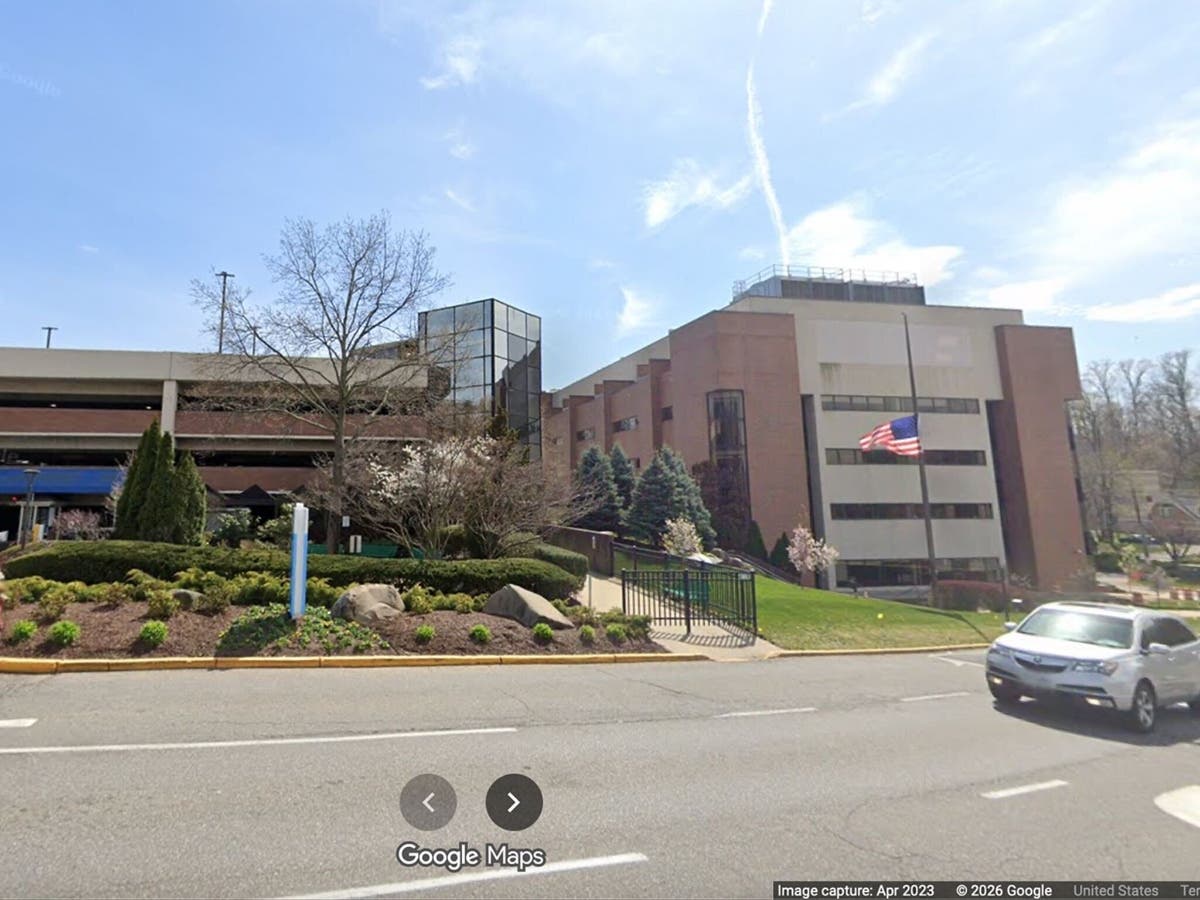
MANHASSET, NY — Northwell’s North Shore University Hospital in Manhasset is making its mark as the first in New York to utilize Abbott’s Traumatic Brain Injury test, as well as ranking as a top hospital on Long Island, according to Newsweek.
The medical center’s emergency department uses a new blood test to quickly evaluate a patient for a potential TBI for those 18 years and older.
Abbott’s i-STAT TBI cartridge test speeds the assessment of TBI injuries, such as concussions. The test is a 15-minute blood test that detects two biomarkers of TBI – GFAP and UCH-L1 – two brain-specific proteins released into the bloodstream from different cell types following a TBI. The elevation of these two proteins can be detected in the blood for up to 24 hours after an injury occurs with this TBI test.
NSUH had a three-month test validation trial where they tested 107 low-risk, adult patients. The outcome showed safe and accurate benefits, according to NSUH.
Beth McQuiston, MD, RD, and medical director for Abbott’s diagnostics business, said Abbott’s i-STAT TBI test makes the invisible visible.
“Concussions are invisible injuries,” she said. ” For the first time ever, doctors at NSUH are armed with a fast, reliable blood test for the brain. This is a significant advancement in the standard of care for the thousands of TBI patients who visit NSUH’s Emergency Department each year.”
According to Neurology Live, the FDA granted clearance in 2021 for the new test to be used to assess patients with suspected mild TBIs at their bedside.
Chidubem Iloabachie, MD, associate chair of Emergency Medicine at NSUH, said this test reduces wait times for patients to receive results and can release length of stay, which is crucial in an emergency department, as well as for the patient’s health and well-being.
“This rapid turnaround to assess for brain injuries is a game-changer,” Iloabachie said.
The CDC reports that there were approximately 214,110 TBI-related hospitalizations in 2020 and 69,473 TBI-related deaths in 2021. There are more than 586 TBI-related hospitalizations per day, and 190 TBI-related deaths per day, as per the CDC – and these estimates aren’t including TBIs that are only treated in the emergency department, primary care, urgent care, or even those that go untreated.
People 75 years and older have a higher risk of TBI-related hospitalizations and deaths, and men in general are nearly two times more likely to be hospitalized from a TBI than women, the CDC says.
As of now, a non-contrast CT scan and the Glasgow Coma Scale are commonly used to assess patients for a TBI, Cleveland Clinic states. The Abbott’s test may reduce the need for unncessary CT scans, but there is still research to be done, according to Mount Sinai.