
To the uninitiated, 222 West 23rd Street in Manhattan is just another New York address. To those in the know, it’s the location of the unforgettable Chelsea Hotel, once the byword for rock’n’roll excess and general 70s seediness. The 12-storey Queen Anne revival structure is still there and hosting guests, albeit in a far more upmarket capacity than the legends tell.
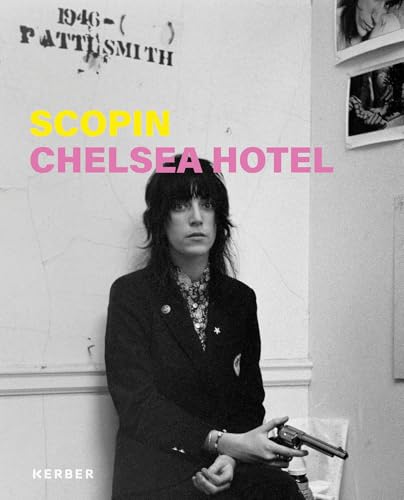
Kerber Verlag
Scopin: Chelsea Hotel
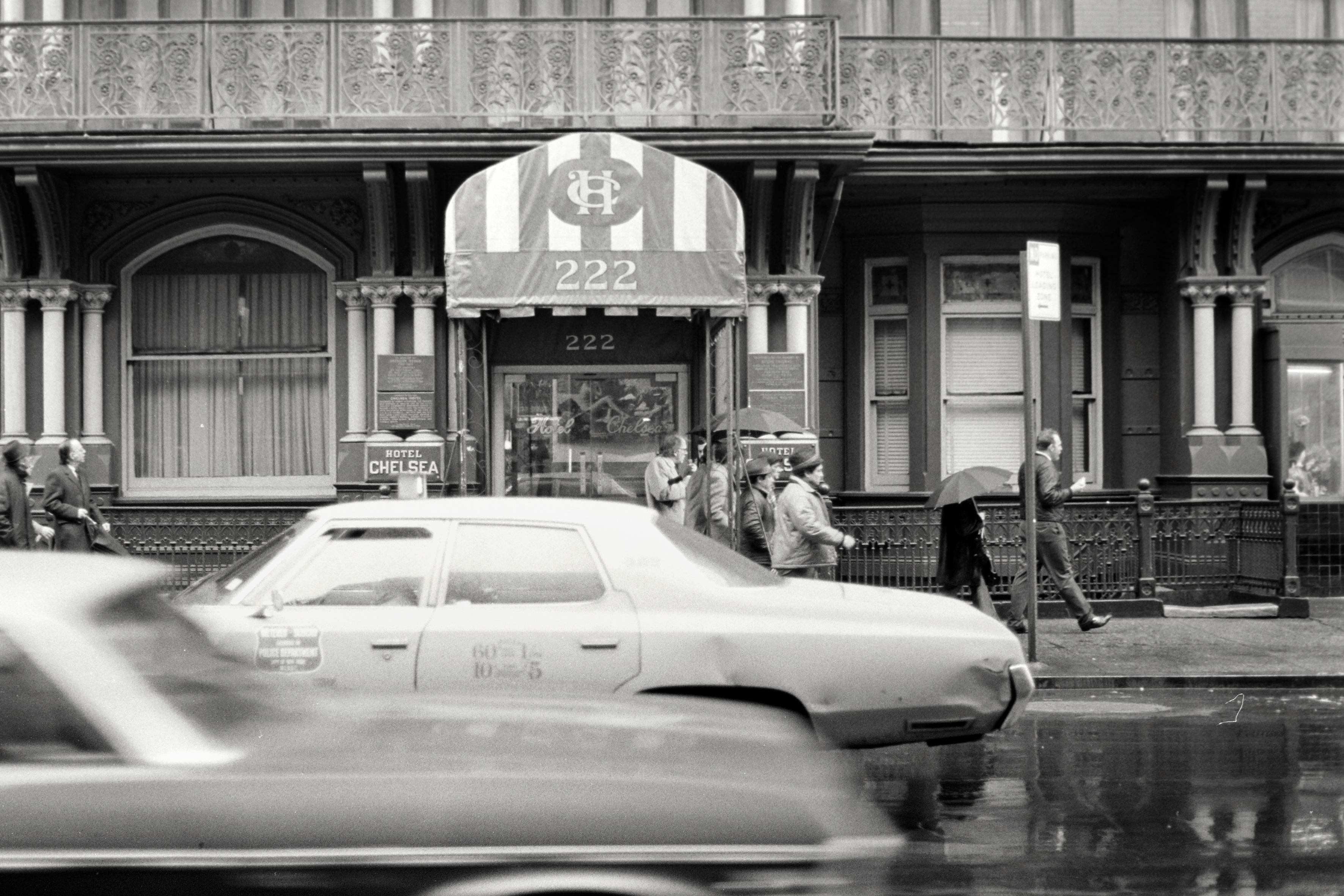
The Chelsea Hotel in 1970
(Image credit: Albert Scopin Schöpflin)
The Hotel Chelsea (Chelsea Hotel is how it came to be known in its heyday) is the subject of a new photobook from Albert Scopin, born Albert Schöpflin in 1943 and now an acclaimed artist working on large scale pieces using asphalt as a primary material. Scopin ‘moved to New York in 1969, the day after the moon landing’ and ended up in the Chelsea Hotel for his first two and a half years in the city.
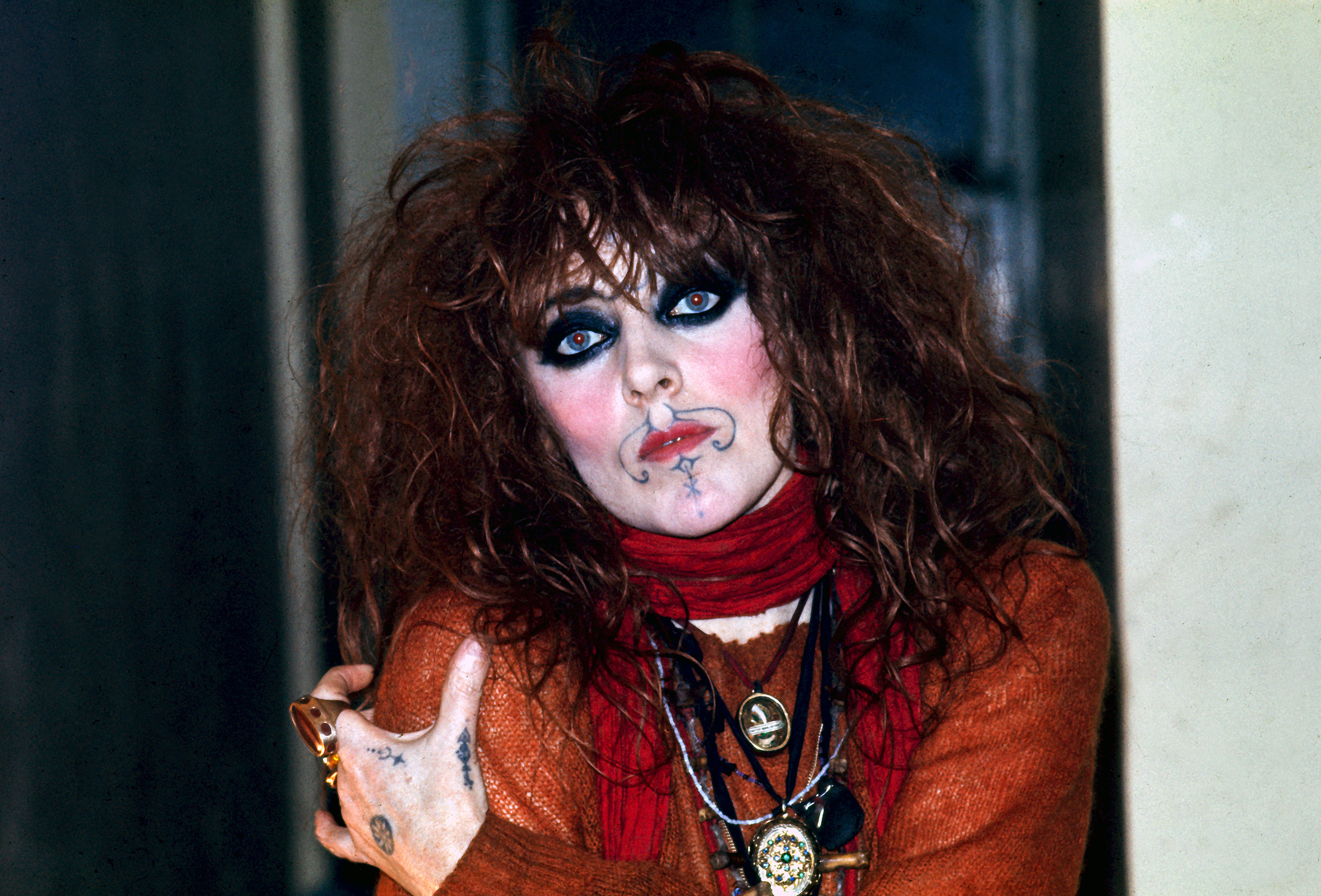
Australian artist Vali Myers, the Chelsea Hotel, 1970
(Image credit: Albert Scopin Schöpflin)
Whilst making a name for himself as a photographic assistant, Scopin also turned his camera on his fellow Chelsea Hotel dwellers. This eclectic bunch of artists, filmmakers, musicians and hangers-on made for a rich environment for portraiture, even if at the time many of the people he photographed were largely unknown.
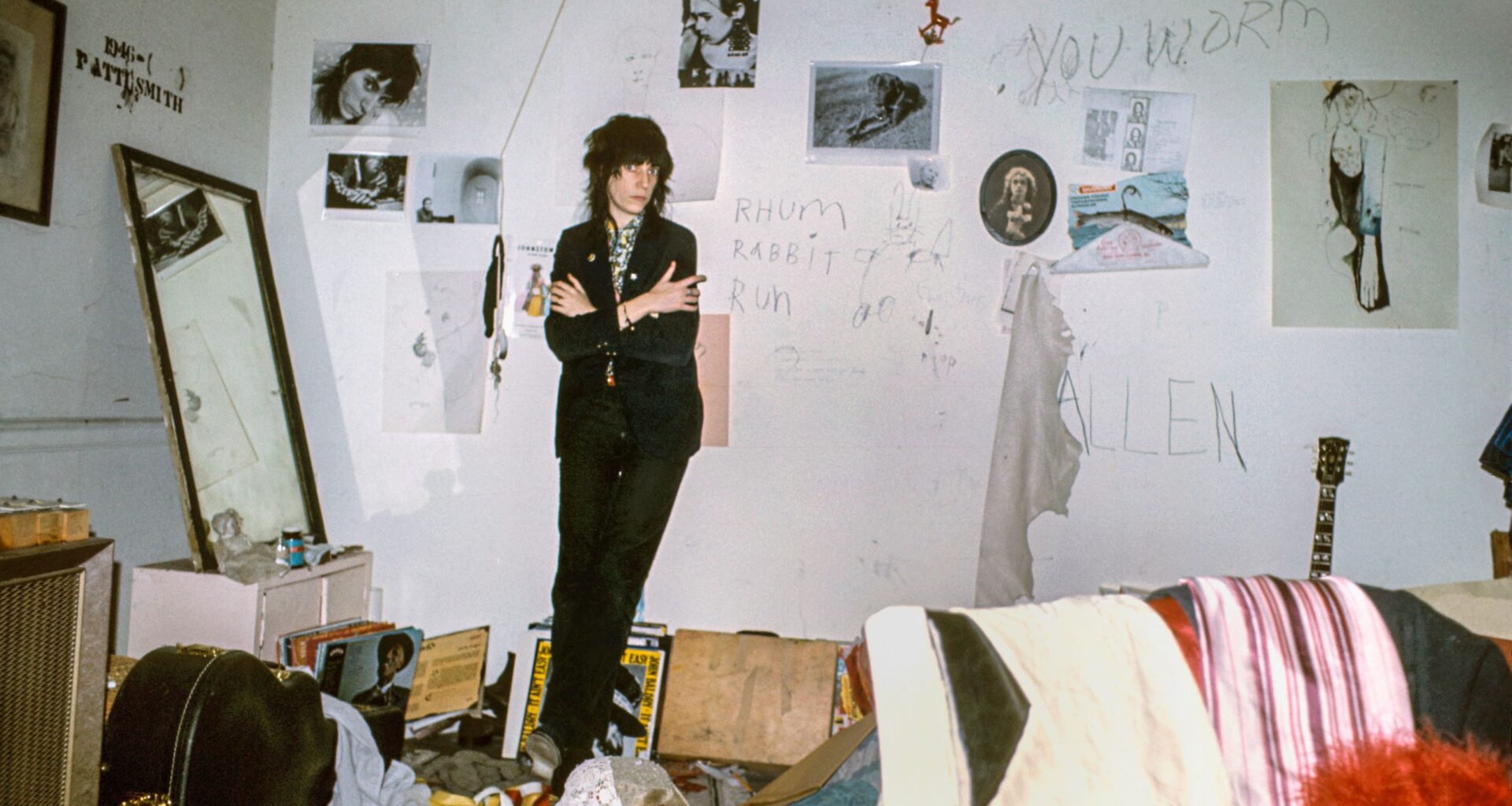
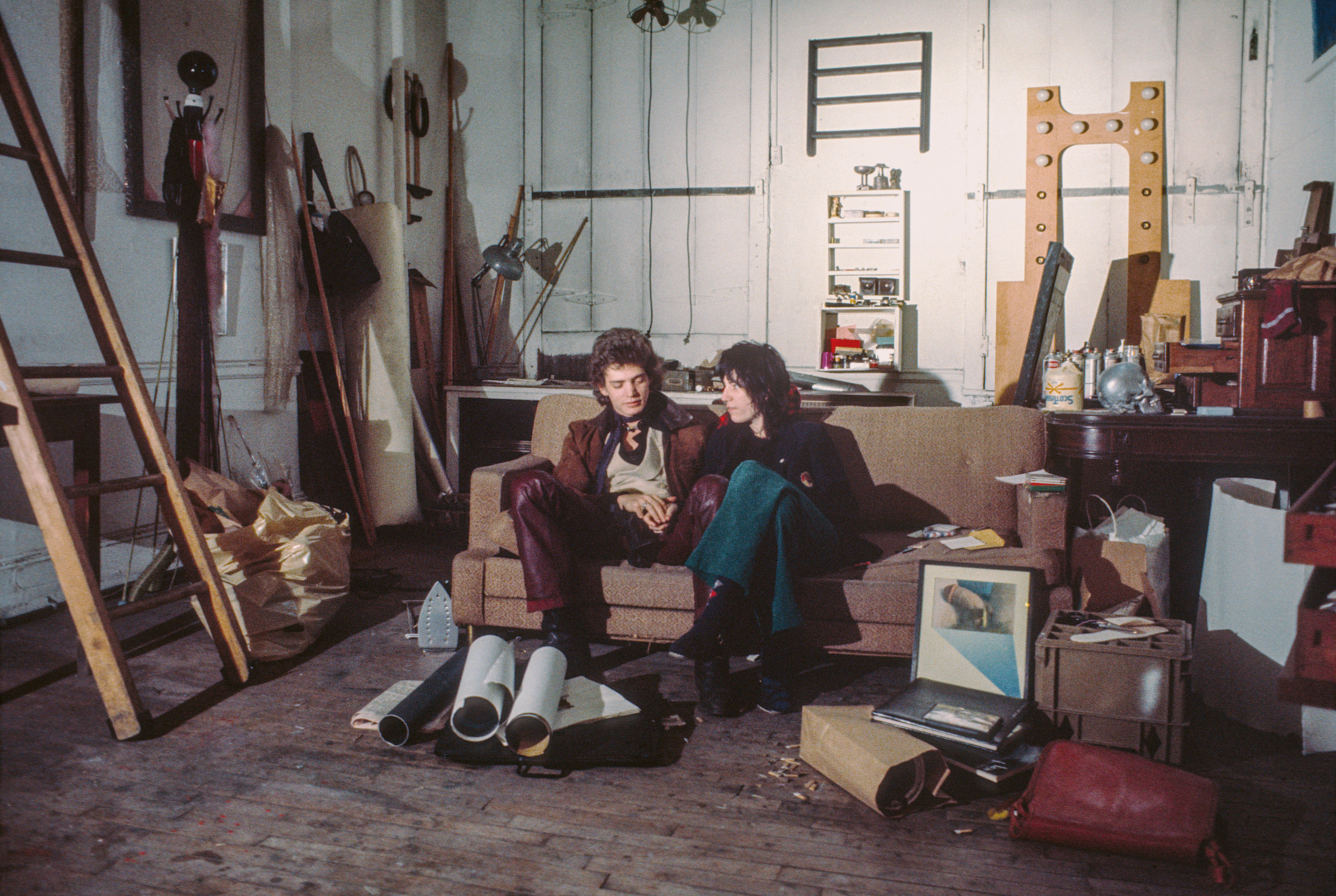
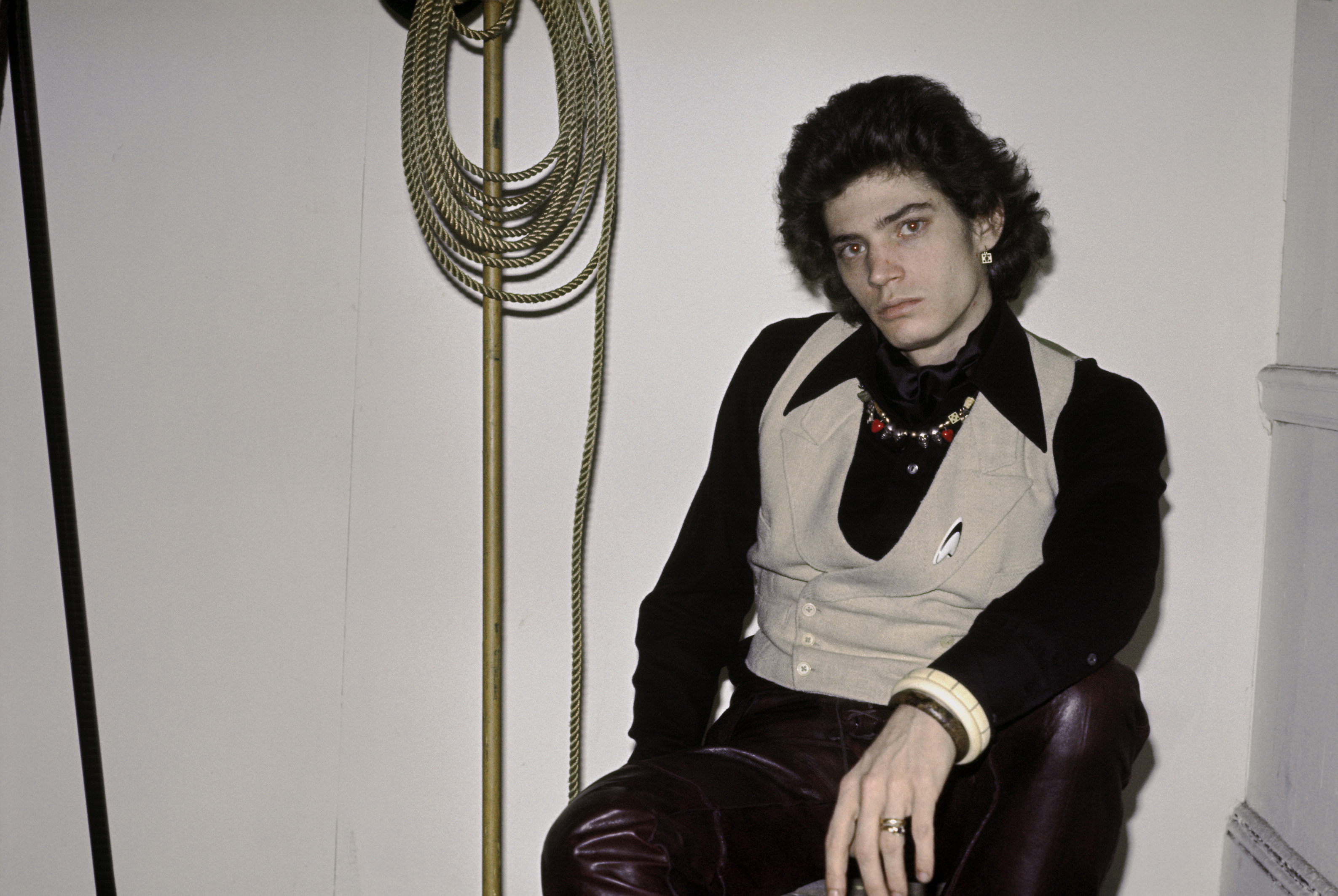
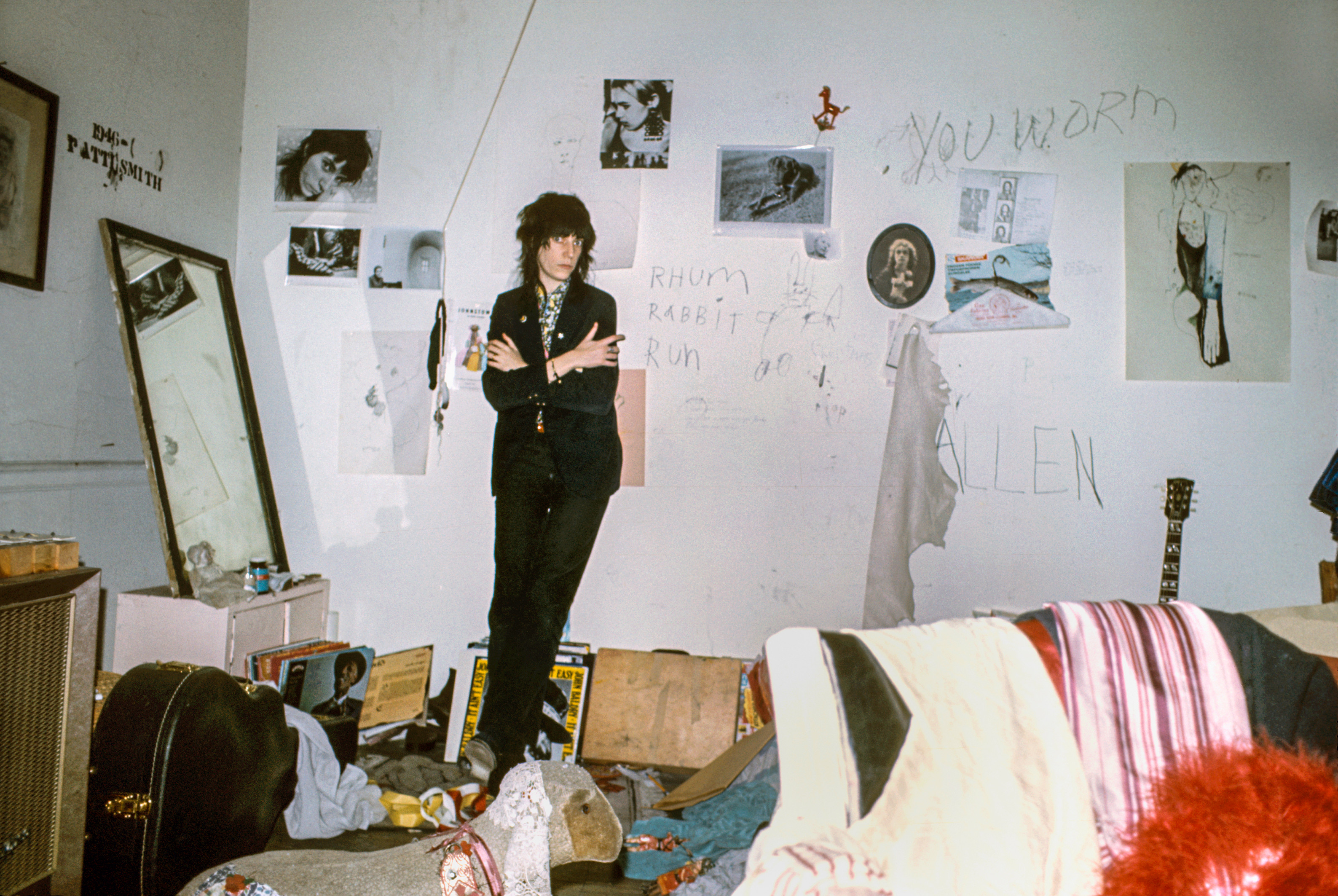
It’s remarkable to look through these pages and see the nascent New York scene emerge, with portraits of, among others, Patti Smith and Robert Mapplethorpe, then a couple, as well as filmmakers like Wim Wenders and Milos Forman. Avant-garde director Jonas Mekas also lived in the Hotel, as did the late queer activist Rosa von Praunheim.
Image 1 of 3
 (Image credit: Albert Scopin Schöpflin)
Robert Mappelthorpe and Patti Smith in the Chelsea Hotel, 1970
 (Image credit: Albert Scopin Schöpflin)
Robert Mappelthorpe in the Chelsea Hotel, 1970
 (Image credit: Albert Scopin Schöpflin)
Patti Smith in the Chelsea Hotel, 1970
It was a target rich environment for a photographer (Scopin was working as an assistant to fashion photographer Bill King at the time), yet remarkably Scopin set this portfolio of images aside, believed them to be lost, and wasn’t reunited with them for over four decades. In addition to an exhibition at Berlin’s FWR Gallery, this new monograph assembles these rediscovered images and places them in their historic context.
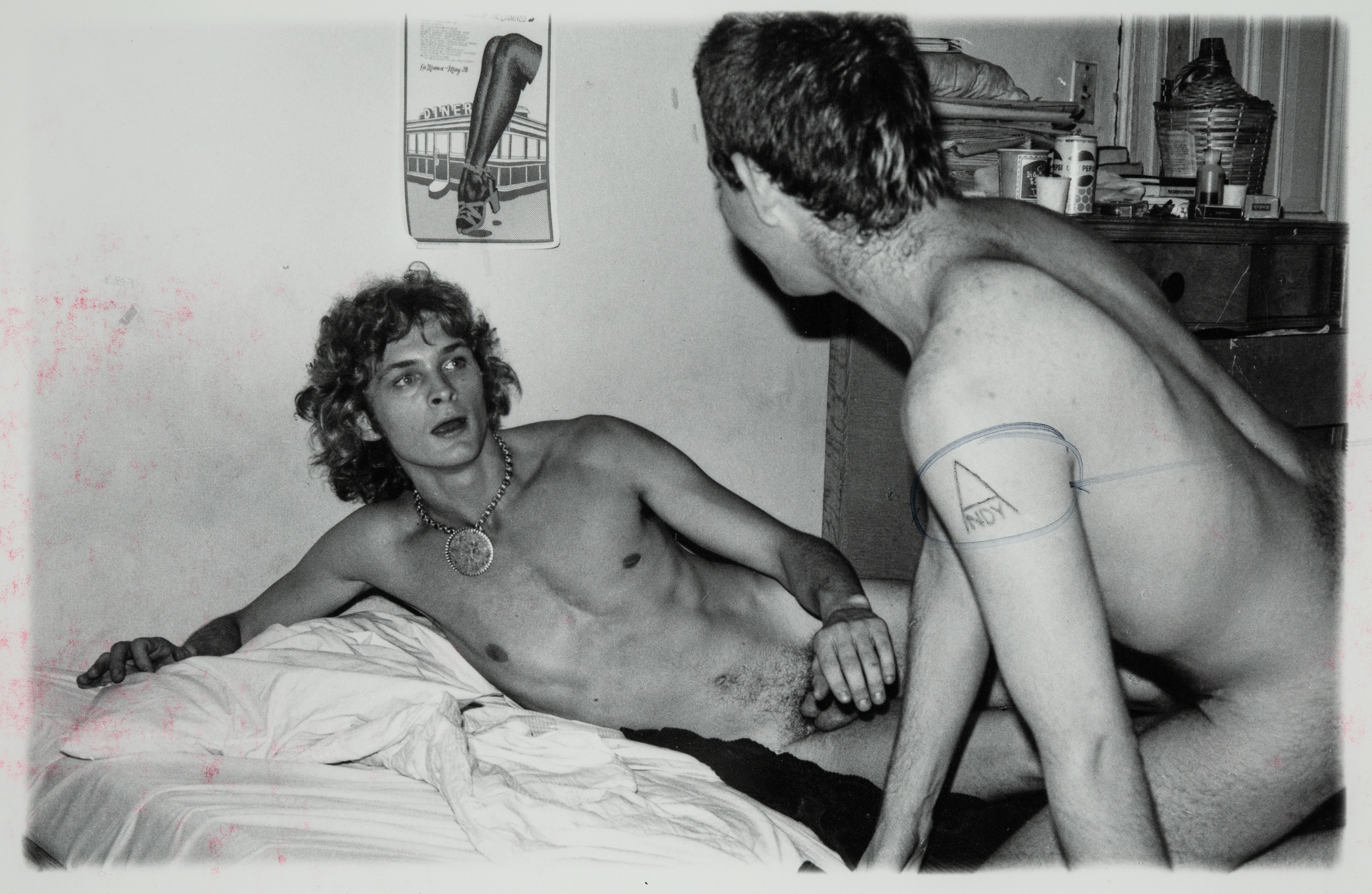
Occasional Warhol actor Jackie Curtis and friend, Chelsea Hotel, 1970
(Image credit: Albert Scopin Schöpflin)
As well as the assembled emerging art crowd, Scopin captured those that worked at the Chelsea, as well as the incipient squalor that was to grant the establishment such notoriety towards the end of this stage of its life (it was the infamous location of Nancy Spungen’s murder at the hands of Sid Vicious in 1978. A few decades before Dylan Thomas had also died at the hotel).
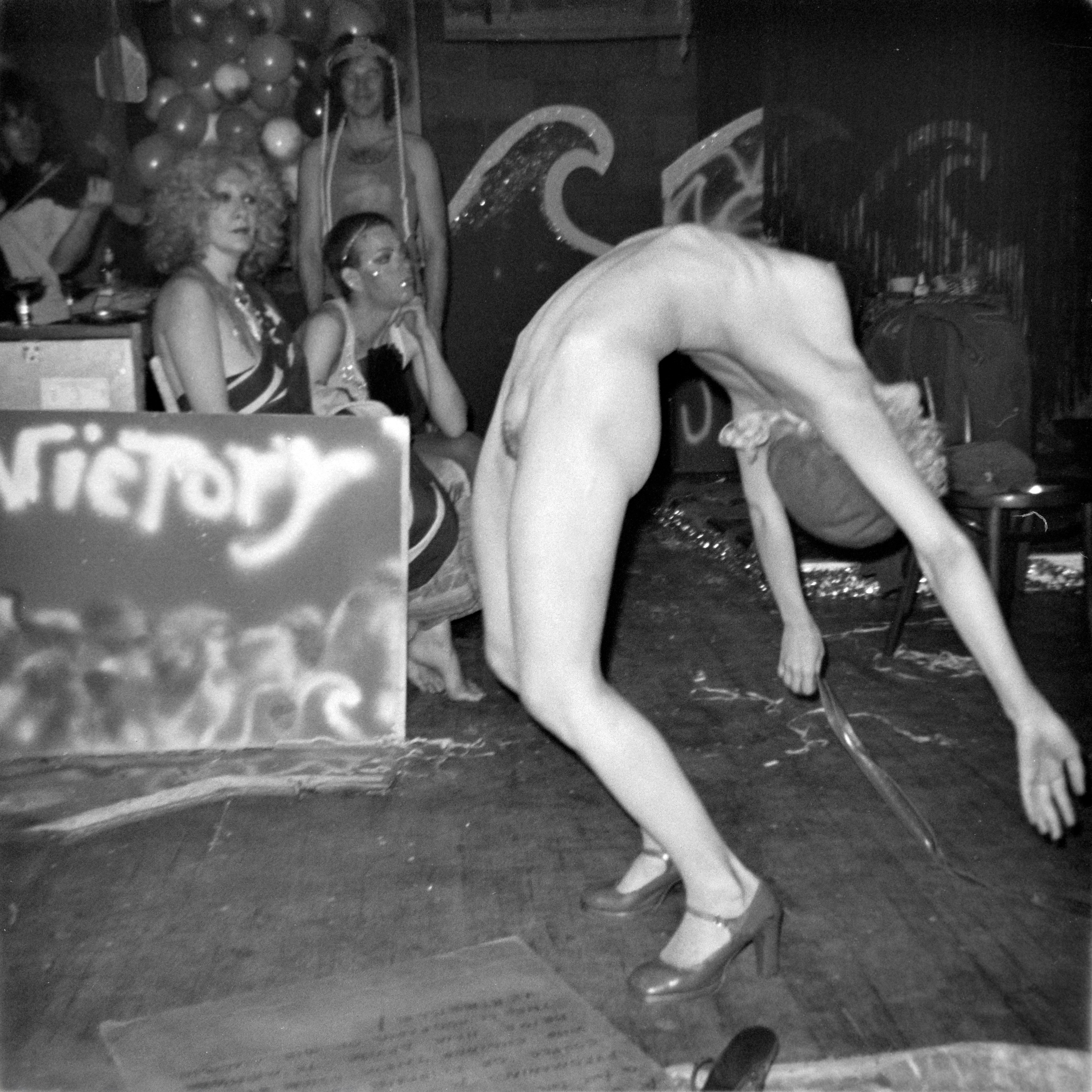
A performance by members of Andy Warhol’s Factory at the Chelsea Hotel, 1970
(Image credit: Albert Scopin Schöpflin)
Using a simple Kodak Instamatic, Scopin’s candid imagery captures the bohemian underworld in all its unvarnished glory, with Warhol’s Factory acolytes serving at bit part players amidst a cast of genuine eccentrics and innovators. A valuable piece of artistic, social and LGBTQ+ history.
Image 1 of 3
 (Image credit: Albert Scopin Schöpflin)
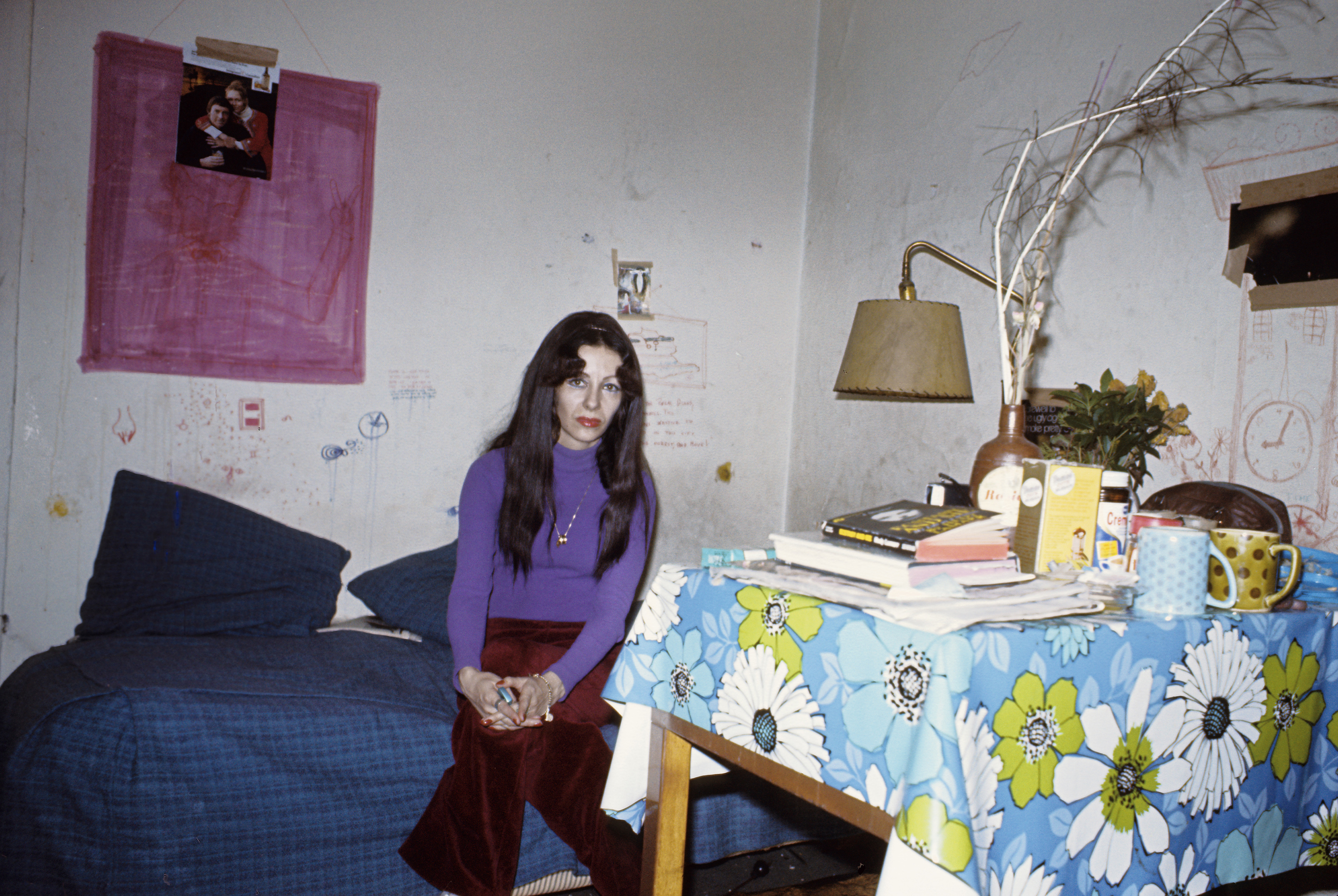
Lola, the Chelsea Hotel, 1970: ‘She wore heavy makeup, like she was waiting for someone, but she was always alone’
 (Image credit: Albert Scopin Schöpflin)
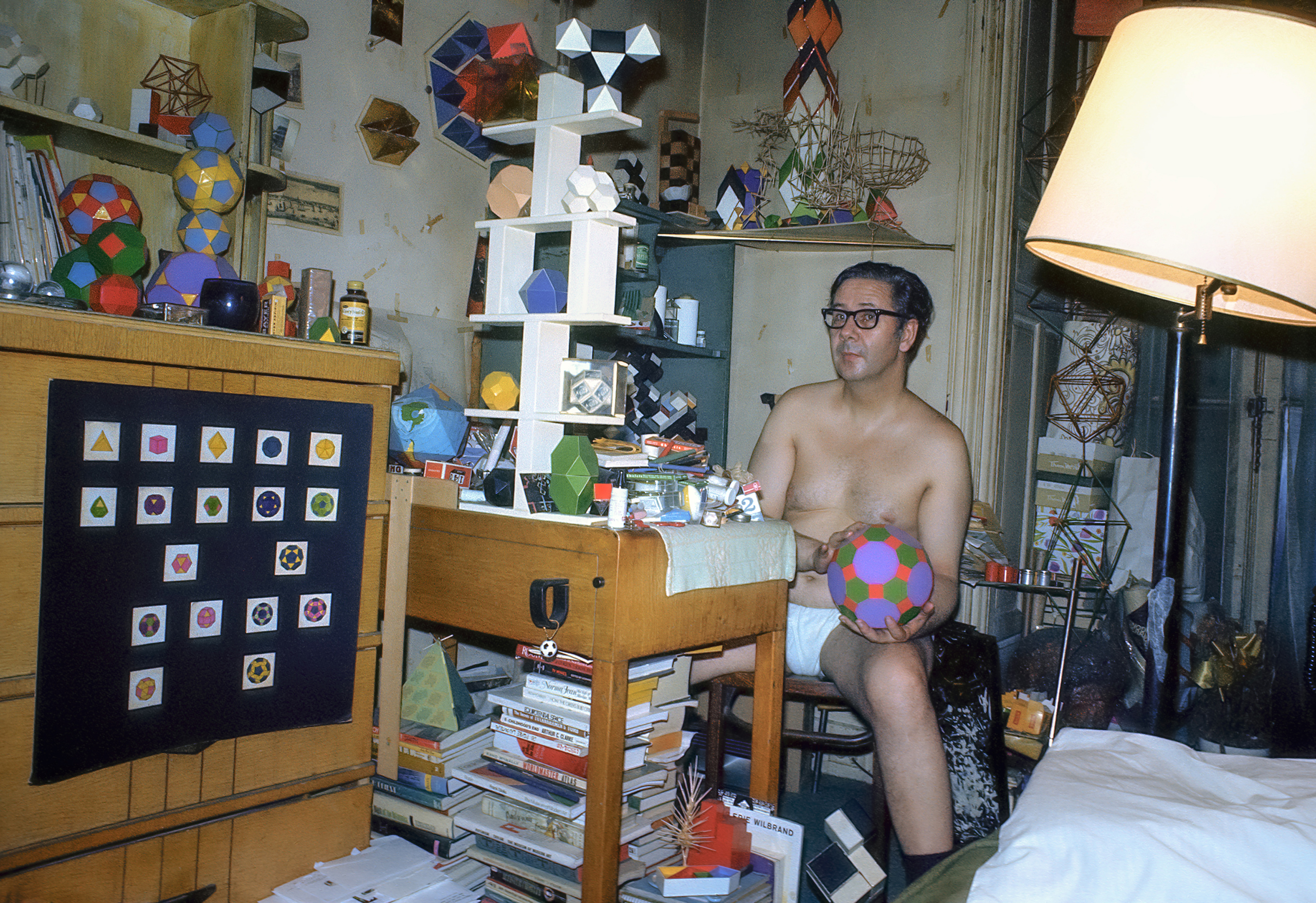
Prinz Roderick Ghyka (1923 – 1978), the Chelsea Hotel, 1970: ‘… a very amiable person and he definitely lived on another planet.’
 (Image credit: Albert Scopin Schöpflin)
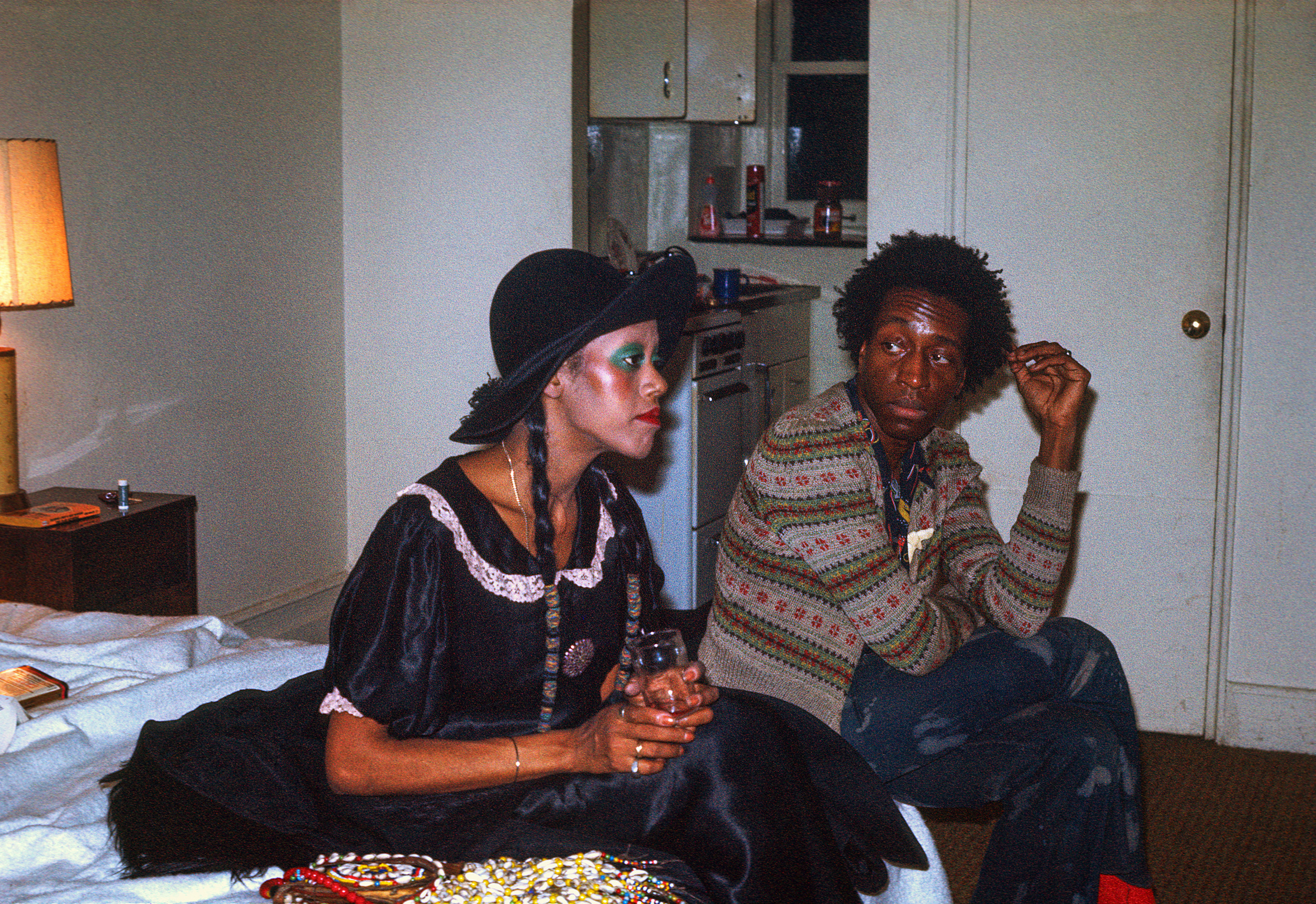
Chancy Dévaureaux and friend, the Chelsea Hotel, 1970: ‘Most of the time she was very unhappy.’
Scopin: Chelsea Hotel, € 38.00, texts by Albert Scopin Schöpflin, Michael Stoeber, Kerber, KerberVerlag.com, Amazon.co.uk, feldbuschwiesnerrudolph.com