
NEW YORK, NY— A new fiscal analysis from the New York City Council identified nearly $1.7 billion in potential savings and additional revenue for fiscal year 2026, offering an alternative to tapping the city’s Rainy Day Fund as officials confront a multibillion-dollar budget gap.
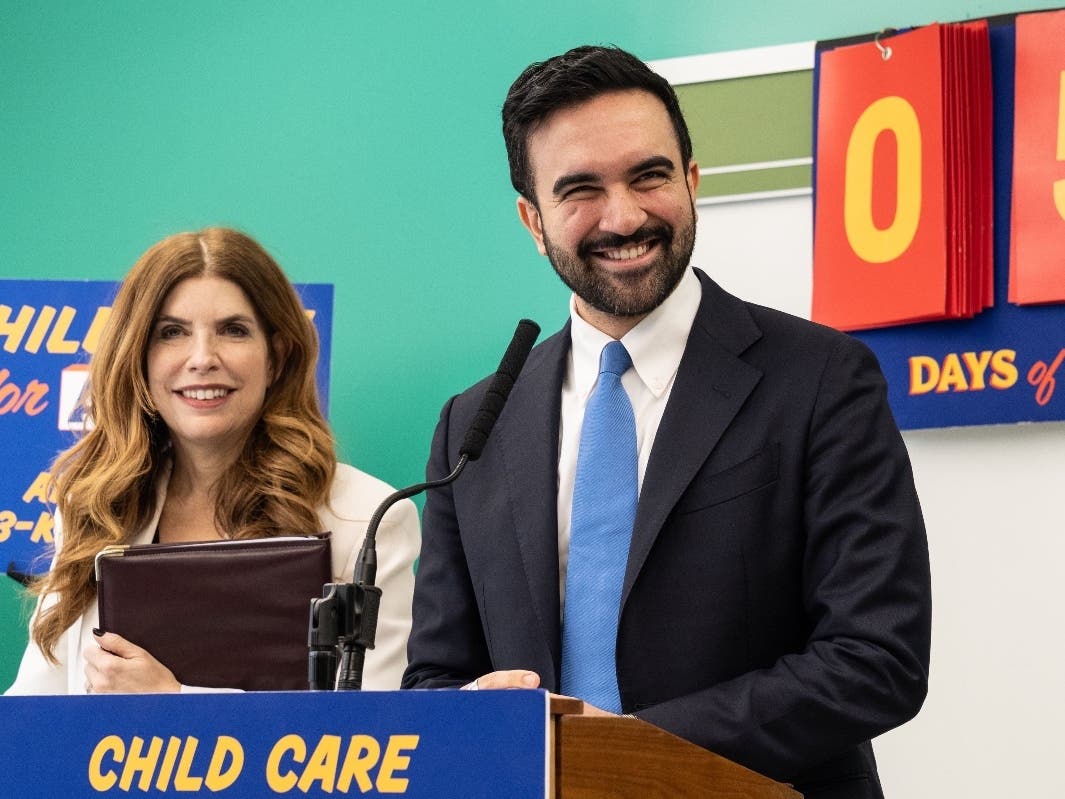
Council Speaker Julie Menin and Finance Committee Chair Linda Lee released the findings alongside the Council’s March 2026 economic and tax revenue forecast. The fiscal year ends June 30.
The analysis outlines resources the Council says could close part of the city’s spending gap without drawing from the Revenue Stabilization Fund, commonly known as the Rainy Day Fund.
Find out what’s happening in New York Cityfor free with the latest updates from Patch.
“The Rainy Day Fund was created to help protect New Yorkers during a true fiscal emergency, and has never been tapped,” Menin said. “Our analysis suggests we are not in such an emergency position today.”
Mayor Zohran Mamdani’s administration proposed withdrawing nearly $1 billion from the fund in its preliminary budget released in February. The proposal requires a City Council vote through a revenue and expense modification submitted Feb. 24.
Find out what’s happening in New York Cityfor free with the latest updates from Patch.
Created in 2021 under Mayor Bill de Blasio, the fund has grown to about $2 billion. The city has never used it, including during recent spending tied to the migrant crisis.
Council analysts pointed to several potential sources of savings beyond projections from the Office of Management and Budget. Those include roughly $1.4 billion tied to debt service adjustments, reductions in long-standing agency vacancies that remain unfilled and interest earnings from accounts such as the Retirees Health Benefits Trust and city cash holdings.
The Council’s economic forecast also projects stronger tax collections than the mayor’s budget office.
Council economists estimate the city will collect $386 million more in tax revenue than the Office of Management and Budget forecast for fiscal years 2026 and 2027. The estimate assumes no increase in the city’s overall property tax rate.
City tax revenues are expected to grow an average of 4.7% annually from fiscal year 2026 through fiscal year 2030, according to the forecast. That pace trails the 5.5% annual growth recorded between fiscal years 2010 and 2019.
“Today’s analysis reinforces the City Council’s commitment to being a responsible financial steward of our city’s budget,” Lee said. “Since the beginning, the Council has advocated for a holistic approach to identifying revenues and finding savings to close our spending gap.”
The fiscal debate unfolds as Mamdani warns of an estimated $5.8 billion deficit and weighs tax increases to close the gap.
The mayor presented two options to city and state leaders: raising income taxes on residents earning more than $1 million or increasing the city’s property tax rate to 9.5%.
Mamdani described the property tax increase as a “last resort.”
“[These are] options that we will only employ if there are no other means of arriving at a balanced budget,” Mamdani said.
A 9.5% property tax increase would affect about 3.16 million residential units and more than 102,000 commercial properties across the city, according to tentative fiscal year 2026-27 assessment data from the Department of Finance.
Any property tax increase requires City Council approval. An income tax increase on high earners would require authorization from state lawmakers and Gov. Kathy Hochul.
Menin has already signaled opposition to raising property taxes.
Property tax increases “should not be on the table whatsoever,” the speaker said in a statement earlier in the budget debate.
The deficit projections have shifted in recent months. Early estimates approached $12 billion before falling to about $7 billion. Hochul later committed $1.5 billion in state funding, reducing the projected shortfall.
Mamdani’s preliminary budget still expands city spending, proposing a record $127 billion plan.
The proposal includes $662 million for Section 8 housing renovations, $54 million for food aid, $48.2 million to expand psychiatric services at Bellevue Hospital and $38 million to hire 300 attorneys and support staff for the city’s law department.
Additional funding includes $31.1 million for homeless street outreach, $12 million for mobile units serving people with severe mental illness and nearly $1 billion in increased funding for the city’s housing voucher program, CityFHEPS.
“What we are hoping for, and what we will spend every day looking towards, is working with Albany to increase taxes on the wealthiest and the most profitable corporations, such that a fiscal crisis is not resolved on the backs of working and middle class New Yorkers,” Mamdani said.
Council members will question city agencies about the budget during oversight hearings scheduled from March 11 through March 25.
The Council plans to release its formal response to the mayor’s preliminary budget by April 1, outlining priorities for the fiscal year 2027 adopted budget.
Get more local news delivered straight to your inbox. Sign up for free Patch newsletters and alerts.