
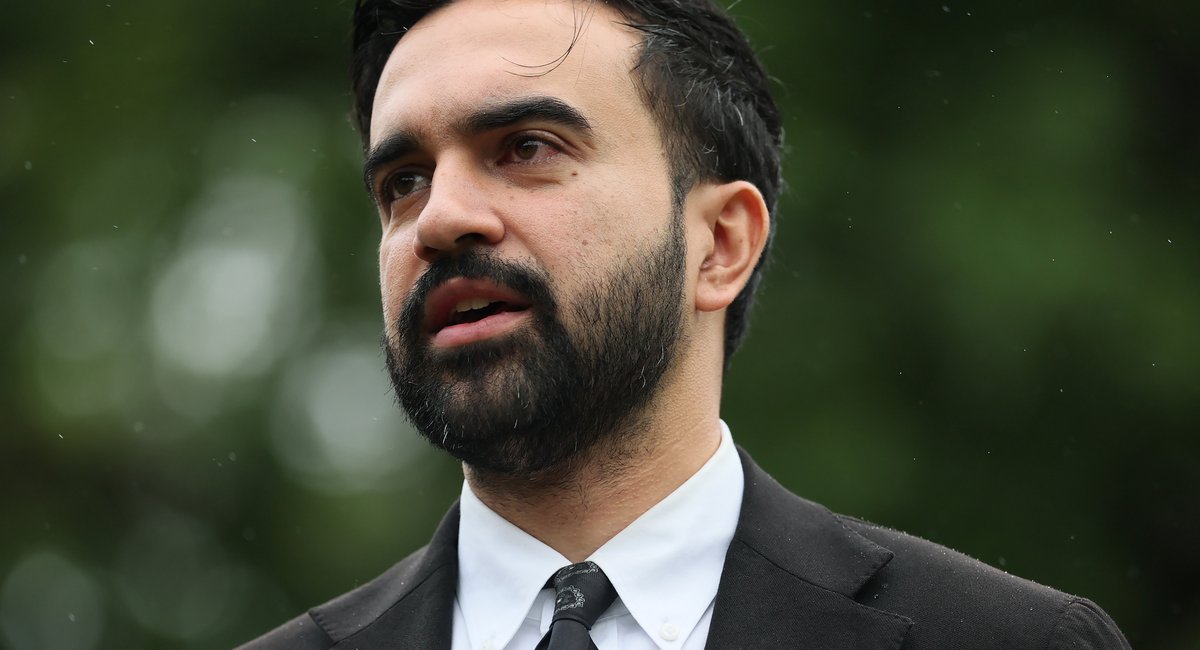
Mayor Zohran Mamdani will halt the city’s controversial tax lien sale and potentially scrap it altogether over concerns that the process exposes homeowners to “predatory debt collectors” and foreclosure, City Hall said Tuesday.
Since 1996, the city has sold property owners’ unpaid tax liens and water debt at a discount to a private investor-backed trust that then attempts to collect the unpaid bills while hitting homeowners with additional fees. The system has faced sharp criticism for disproportionately affecting homeowners of color, especially in predominantly Black sections of Southeast Queens and Central Brooklyn. Mamdani himself called the practice “racism” in a campaign policy outline during his run for mayor.
Mamdani spokesperson Matt Rauschenbach said the mayor will suspend the tax lien sale this fiscal year to conduct a “six-month review of the program” and consider enacting alternatives.
“Our current property tax lien sale process to collect overdue taxes and fees is broken — allowing predatory debt collectors to profit off the backs of working and middle-class homeowners, driving New Yorkers out of their homes,” Rauschenbach said in a written statement.
Under the current system, the city can sell a property tax lien when the owner owes as little as $5,000, and water and sewer debt that reaches $1,000 for condo owners. Last year, the city instituted reforms meant to help homeowners exit the tax lien sale process before their debt was sold.
Mamdani’s decision to suspend the lien sale coincides with his calls to reform the city’s property tax system — and amid his threats to raise property taxes to close a budget gap if state lawmakers fail to raise rates on the wealthiest New Yorkers. He has also backed legislation to seize large apartment buildings from owners who amass both debt and serious housing code violations, and transfer the property to new owners.
The suspension of lien sales marks a step toward fulfilling Mamdani’s pledge to end the program altogether. During his campaign, Mamdani described how the current system helps investors “get rich on the backs of small homeowners behind on their bills” before foreclosing on people’s homes.
Mamdani has supported a package of legislation approved by the City Council to replace the current lien sale system by creating a nonprofit land bank with the power to purchase municipal debts, work out payment with the owners, or redevelop them as affordable housing. The city requires state approval to establish the land bank, but the Council passed legislation that would eliminate the current lien sale system by 2028.
Rauschenbach said the Mamdani administration is now “pursuing ways to improve outreach, utilize new tools such as a landbank and develop protections for descendants living in their family home.”
The mayor’s executive budget estimates the city will forgo $80 million in revenue by suspending the tax lien sale. Bloomberg first reported on the budget provision last month.
The city has suspended the tax lien process before. City officials halted sales during the COVID pandemic in 2020 and again two years later. City lawmakers developed reforms in 2024, including an “easy exit” option for homeowners. But critics say even those changes were too limited to protect many property owners from having their debts sold to private investors.
The sales raised $145 million for the city in 2021. And last year the city sold debts totaling roughly $220 million, according to data from the city comptroller’s office.
Homeowner advocates praised the decision to halt the sale.
Center for NYC Neighborhoods CEO and Executive Director Christie Peale said the suspension was “great news” and that she hopes Mamdani will work with her network of homeowner advocacy groups to fully transform the lien sale system, rather than make piecemeal changes.
“As the city moves forward with new models of enforcement, we will work with the administration to ensure that homeowners have clear pathways to resolve city debts and prevent displacement of longtime owners and renters,” Peale said.
The Center for NYC Neighborhoods has mapped the disproportionate impact of lien sales on property owners of color and called for significant reforms.
Homeowner attorney Yolande Nicholson said the current system has “systemically divested Black and brown families of property ownership and intergenerational wealth unfairly for decades, while enriching the Wall Street and real estate investor markets with exorbitant fees, equity stripping and tax lien foreclosure auctions.”
Advocates championing the proposed land bank strategy said they hoped the suspension would lead to a new ways for recouping debt without relying on private collectors.
Will Spisak, a senior policy analyst at the nonprofit New Economy Project, said it was “significant victory for New Yorkers who have fought for years to end this predatory system.”
“The city should replace it with something more equitable that continues to collect municipal debt but doesn’t harm communities,” Spisak said.