
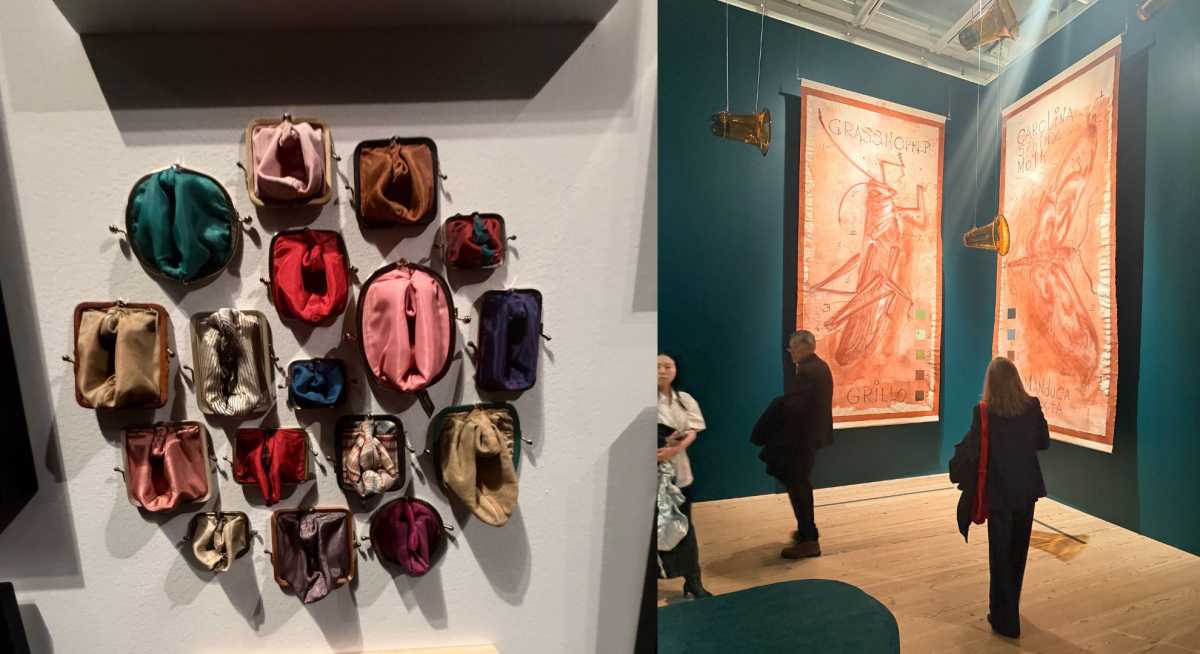
Art in New York this spring is doing far more than occupying gallery walls; it is testing the emotional and philosophical limits of the present moment. Two major biennials now unfold across Manhattan, each offering a distinct vision of what contemporary art can be when the world itself feels unsettled. At the southern edge of the island, the Whitney Biennial occupies the luminous architecture of the Whitney Museum of American Art, continuing a tradition that has shaped the narrative of American art for nearly a century. Uptown, conversely, the Every Woman Biennial has taken hold inside the expansive galleries of Pen + Brush, where its sixth edition, SPECTALiA, radiates with a far more combustible and celebratory energy.
The Whitney Biennial remains, without question, the grand institutional mirror of American artistic life. Founded in 1932 by the formidable patron and sculptor Gertrude Vanderbilt Whitney, the exhibition has long served as a cultural barometer, offering each generation a carefully considered portrait of its creative ambitions and anxieties. The list of artists who have passed through its galleries reads like a condensed history of modern and contemporary art—figures such as Edward Hopper, Jackson Pollock, Jean-Michel Basquiat, and Cindy Sherman among them. Each iteration attempts the same difficult task: capturing the emotional temperature of a nation through the work of its artists.
This year’s edition approaches that responsibility with a noticeable degree of sensitivity. The galleries unfold as atmospheric environments rather than declarative statements, and the curatorial tone leans toward contemplation rather than confrontation. Works gesture toward political tension, technological anxiety, and shifting identities, yet they do so with restraint. The result is an exhibition that feels thoughtful, measured, and carefully attuned to the complicated ecosystem within which major museums now operate. Institutions today navigate an intricate balance of artistic freedom, donor expectations, and public scrutiny, and the Biennial arguably reflects that reality with quiet diplomacy.
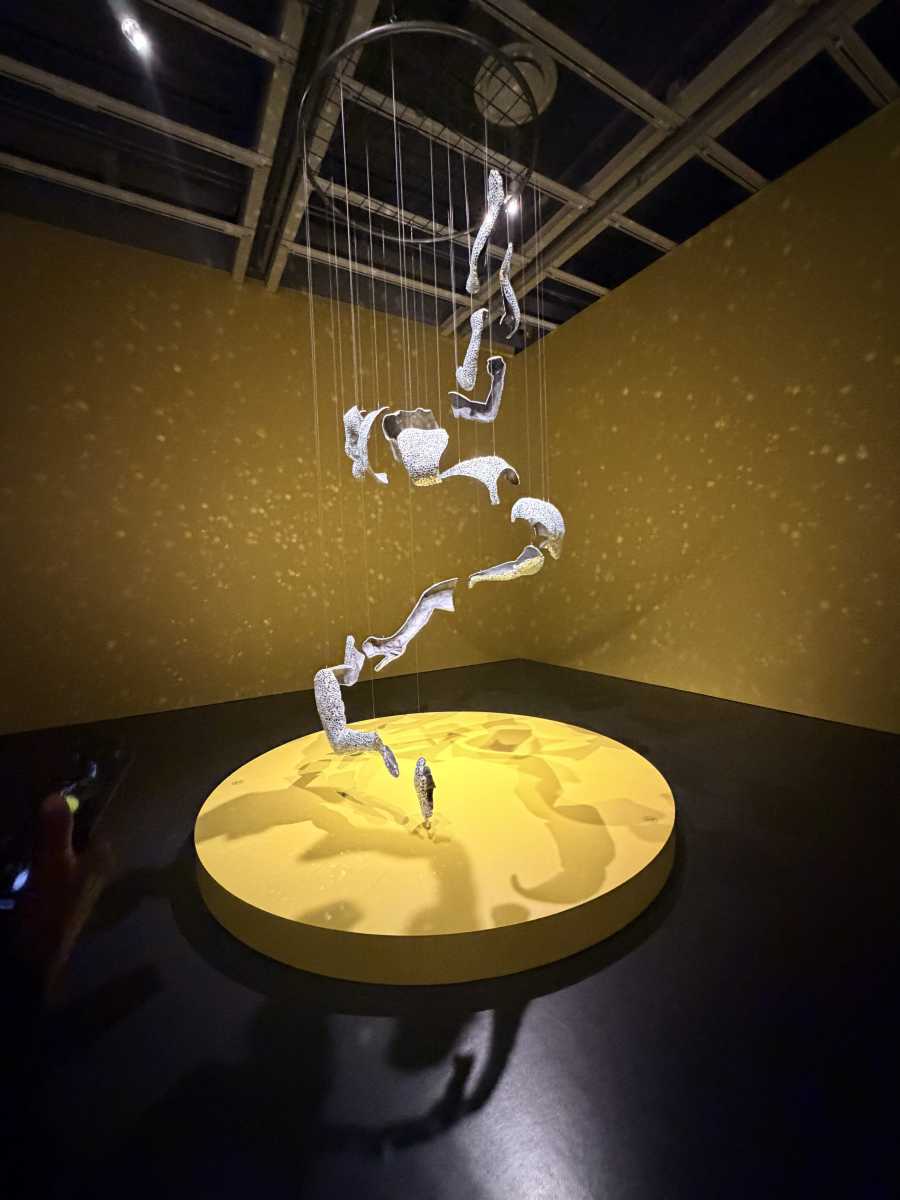 The WhitneyPhoto by Avalon Ashley Bellos
Conversely, a very different energy pulses through Pen + Brush. The Every Woman Biennial arrives not as a meditation but as an eruption. SPECTALiA, which opened on March 8 in recognition of International Women’s Day, brings together more than four hundred artists across painting, sculpture, installation, performance, digital media, and experimental forms. The timing, somewhat thrillingly, coincides with the Whitney Biennial, creating a rare moment in which two parallel visions of contemporary art unfold simultaneously within the same city.
The intellectual spirit behind SPECTALiA draws from a historical lineage that feels surprisingly relevant today. In the aftermath of World War I, artists across Europe confronted a civilization that had collapsed under the weight of its own promises. Movements such as Dada and Surrealism responded with radical imagination, theatrical absurdity, and gleeful rebellion against cultural conventions. Their performances, cabarets, and visual experiments rejected polite aesthetics in favor of something far more alive. In many respects, SPECTALiA channels that same insurgent spirit, inviting artists to build new imaginative worlds within a moment that often feels politically and technologically overwhelming.
Executive Director and co-curator Molly Caldwell posed a question to participating artists that seems both deceptively simple and profoundly urgent: what are we creatively building in a troubled world moving faster than we can comprehend? The answers arrive throughout the galleries in a dazzling array of forms. Canvases erupt with saturated color and unapologetic symbolism. Sculptures twist between humor and confrontation. Neon texts blaze with a kind of glamorous defiance, while performances blur the boundaries between ritual, protest, and theatrical spectacle. The atmosphere, arguably, feels less like a traditional exhibition and more like a gathering of creative electricity.
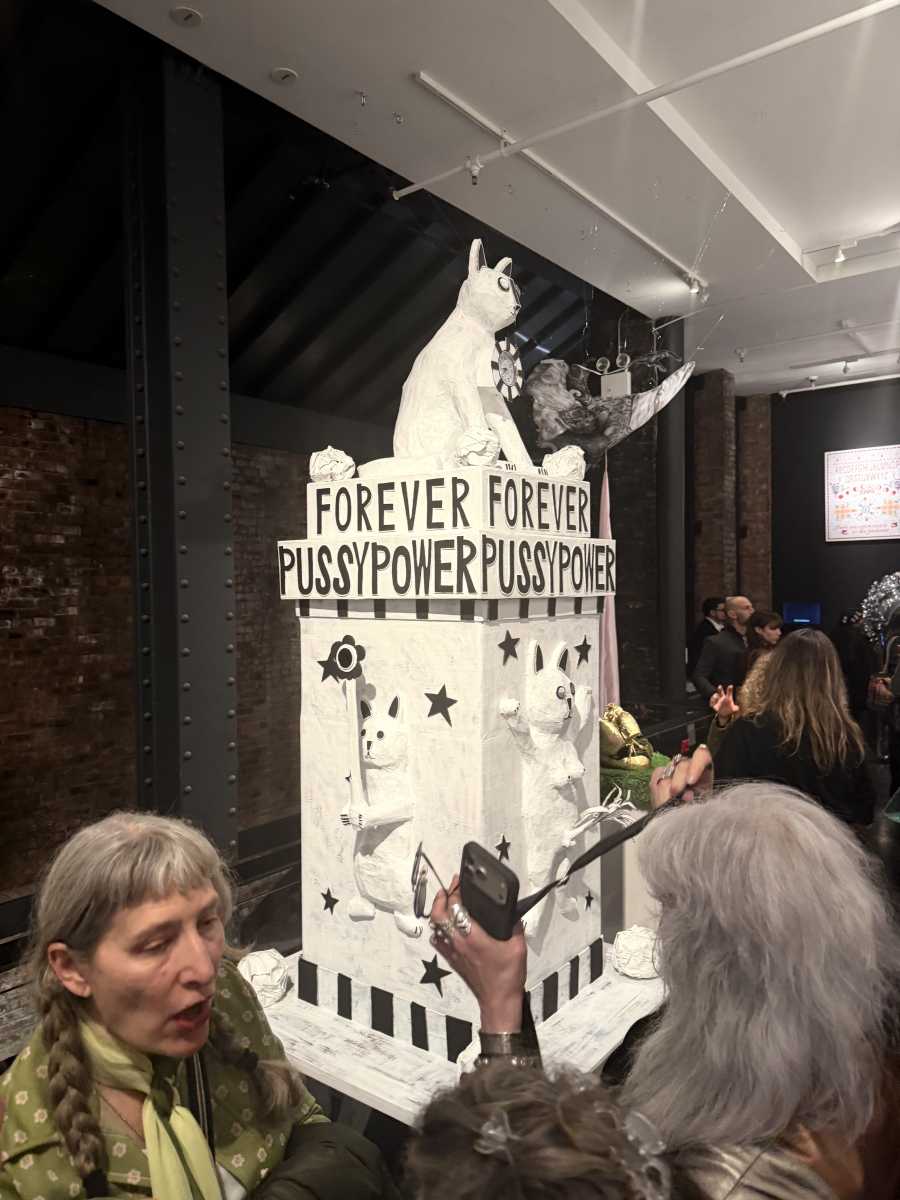 Pen + Brush
Pen + Brush itself provides a fitting stage for such energy. Founded in 1894, the organization has spent more than a century advocating for women and gender-expansive artists, building a legacy of visibility and support that has long been overdue within the broader art world. Its current two-level gallery space is expansive enough to hold contradiction—rage beside elegance, vulnerability beside spectacle—and the architecture seems almost designed for this particular moment. Rooms unfold into one another with the feeling of a modern salon, where ideas circulate freely and artistic voices are encouraged to expand rather than soften.
The artists assembled within SPECTALiA represent a remarkable range of perspectives. Participants include figures such as Patricia Cronin, Karen Finley, Lola Flash, Nona Hendryx, Michele Pred, Swoon, and Mickalene Thomas, each bringing a visual language shaped by feminism, Afrofuturism, performance art, and pop culture iconography.
Technology, somewhat surprisingly, becomes a powerful storytelling tool within the exhibition. Artists employ artificial intelligence, immersive installations, and interactive systems to explore identity within the algorithmic age. The multiplayer digital work Fashionistas: Battle of the Babes by Tassneen Bashir and Camron Gonzalez transforms fashion and gender into playful strategic theater, while Yingxi Adelle Lin’s Soft Upload invites visitors to confess anxieties into an interactive system that generates symbolic rituals of release. These works suggest that technology, despite its anxieties, can also become a medium for communal reflection.
Several works offer particularly poignant moments of introspection. Sandra Cavanagh’s Dressing Room IV depicts five figures standing within the draped enclosure of a fitting room, each examining their reflection during various stages of adornment. The scene celebrates the quiet yet radical act of self-definition. Clothing becomes a language of autonomy, and identity appears not as something assigned by society but as a choice made privately and confidently before the mirror.
Photographer Lola Flash contributes Let My People Go, a powerful image from her series syzygy, the vision. Wearing an orange prison uniform and a reflective space helmet, one arm shackled while the other remains free, Flash imagines herself as a gender-fluid Afrofuturist hero. The photograph channels the visionary lineage of artists who forged Afrofuturism while projecting liberation forward.
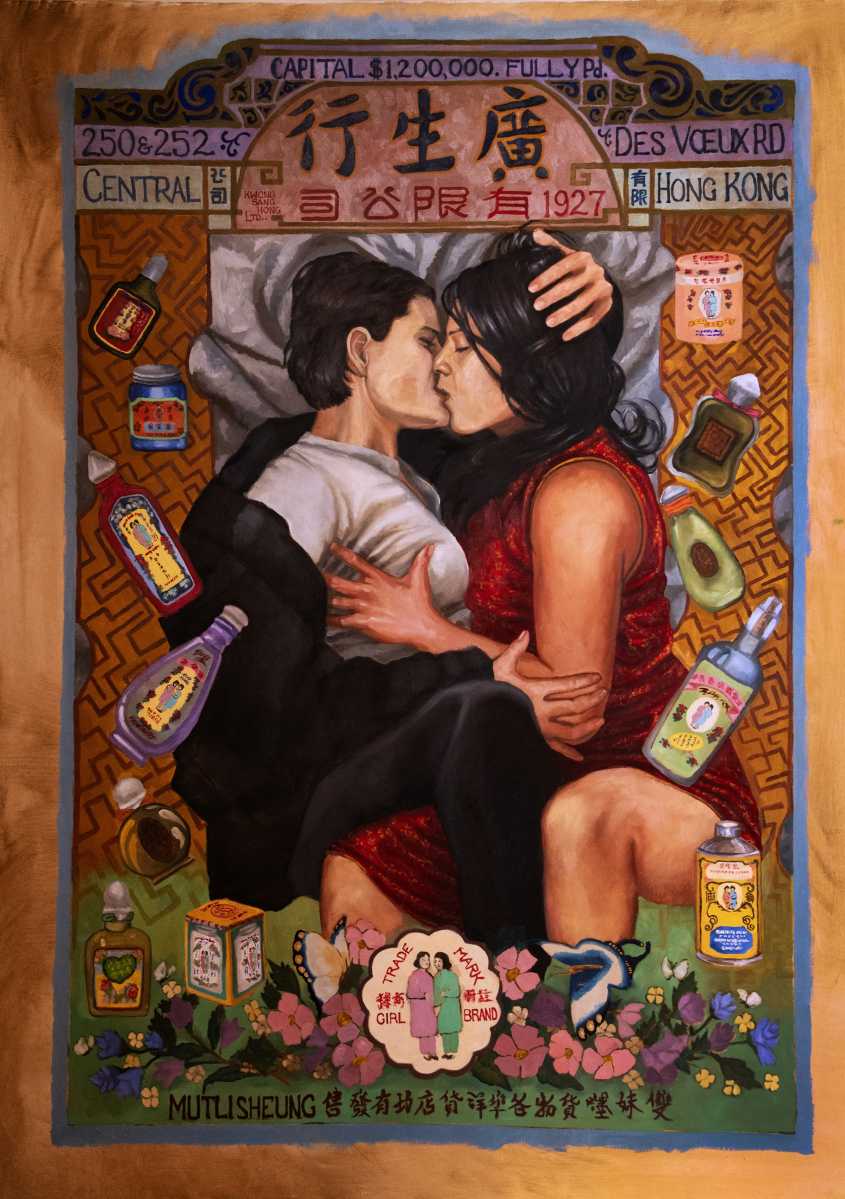 Grace Moon’s
“Two Girls Brand” on display at Pen + Brush
Grace Moon’s Two Girls Brand provides another layer of historical reflection. Drawing from a Shanghai cosmetic advertisement from the 1920s and 1930s, Moon revisits the cosmopolitan culture of pre-war Shanghai while subtly revealing the homoerotic undertones embedded within early commercial imagery. The work carries personal resonance as well, as Moon’s grandparents met in Shanghai’s European and American Quarter in 1932. The piece therefore operates simultaneously as cultural archaeology and intimate family memory.
Much of the exhibition’s success can be attributed to the remarkable collaboration behind it. Under the leadership of Pen + Brush Executive Director Dawn Delikat, alongside Parker Daley Garcia and Bird Piccininni, the institution has opened its doors to an extraordinary scale of artistic experimentation. Their partnership with the Every Woman Biennial demonstrates, perhaps more clearly than anything else, how institutional support and creative audacity can coexist.
Seen in dialogue with the Whitney Biennial, the experience becomes intellectually fascinating. One exhibition reflects the careful navigation of a complex cultural landscape. The other embraces the ecstatic, rebellious power of imagination without hesitation. Together, they offer two complementary visions of contemporary art.
For visitors willing to traverse Manhattan between the two spaces, the reward is significant. The Whitney offers a contemplative mirror of the present moment, while Pen + Brush delivers a vibrant vision of what artistic courage can look like when it refuses to dim its light.
Whitney Museum of American Art: https://whitney.org
Pen + Brush: https://penandbrush.org