
While the actual shooting is heavily contented, many facts of the events leading up to it were undisputed.
The day of the shooting, March 25, 2024, was originally supposed to be Diller’s day off, but he was called in to work at the last minute.
Diller, along with his partner Sergeant Sasha Rosen and three other police officers, were members of the NYPD’s controversial Community Response Team. They were assigned to the 101st Precinct in Far Rockaway for patrol that day.
At the same time, Rivera had met up with a friend, Jones, who is also charged in a separate case on the same matter. The two men reportedly had an uneventful day driving around and shopping.
Then, around 5:43 p.m., Diller and his team were patrolling Mott Avenue when they stopped a man getting off a bus because they believed they saw an object in his coat pocket that could be a weapon. It was a false alarm, and Diller sent the man on his way.
But at that moment his partner, Rosen, saw Rivera and Jones get out of their car and walk into a store together. Rosen, who has over 20 years of service in the NYPD, reported he saw a large L-shaped object protruding in Rivera’s coat pocket.
“Did you see that?” Rosen told Diller and another at the time, believing the object to be a gun.
Rosen and Diller then approached Rivera and Jones as the two men left the store and entered Jones’ car, with Rivera sitting in the passenger seat. Diller walked up to Rivera’s side, repeatedly tapped on the window and ordered him to lower it, but Rivera didn’t respond. On the driver’s side of the car Rosen, talking to Jones, had reached into the open window and unlocked the car doors.
As Diller opened the passenger door, another police officer, Veckash Khedna, unholstered his weapon and told Rivera, “Do not put your hands in your pockets.”
Diller and Rivera engaged in a brief scuffle as the two pushed and pulled against each other. That’s when the gun went off and Diller was shot.
Almost immediately after, Khedna shot Rivera twice in his upper body and arm. Rosen then apprehended the injured Rivera, arresting him and Jones.
The chaotic scene lasted only a few seconds, but attorneys will likely spend hours dissecting every frame of footage available of the moment as the two sides offer contrasting explanations for Rivera’s actions.
Prosecutors are expected to question the officers who responded to the shooting, the medics who brought Diller to the hospital, detectives and other police expert witnesses.
“They will have to relive one of the worst days of their lives – the day a fellow officer and friend died,” Zawistowski said.
Diller’s family was in attendance during the opening statements. Among them was his widow, Stephanie Diller, who periodically wiped tears away listening to prosecutors recount Diller’s death.
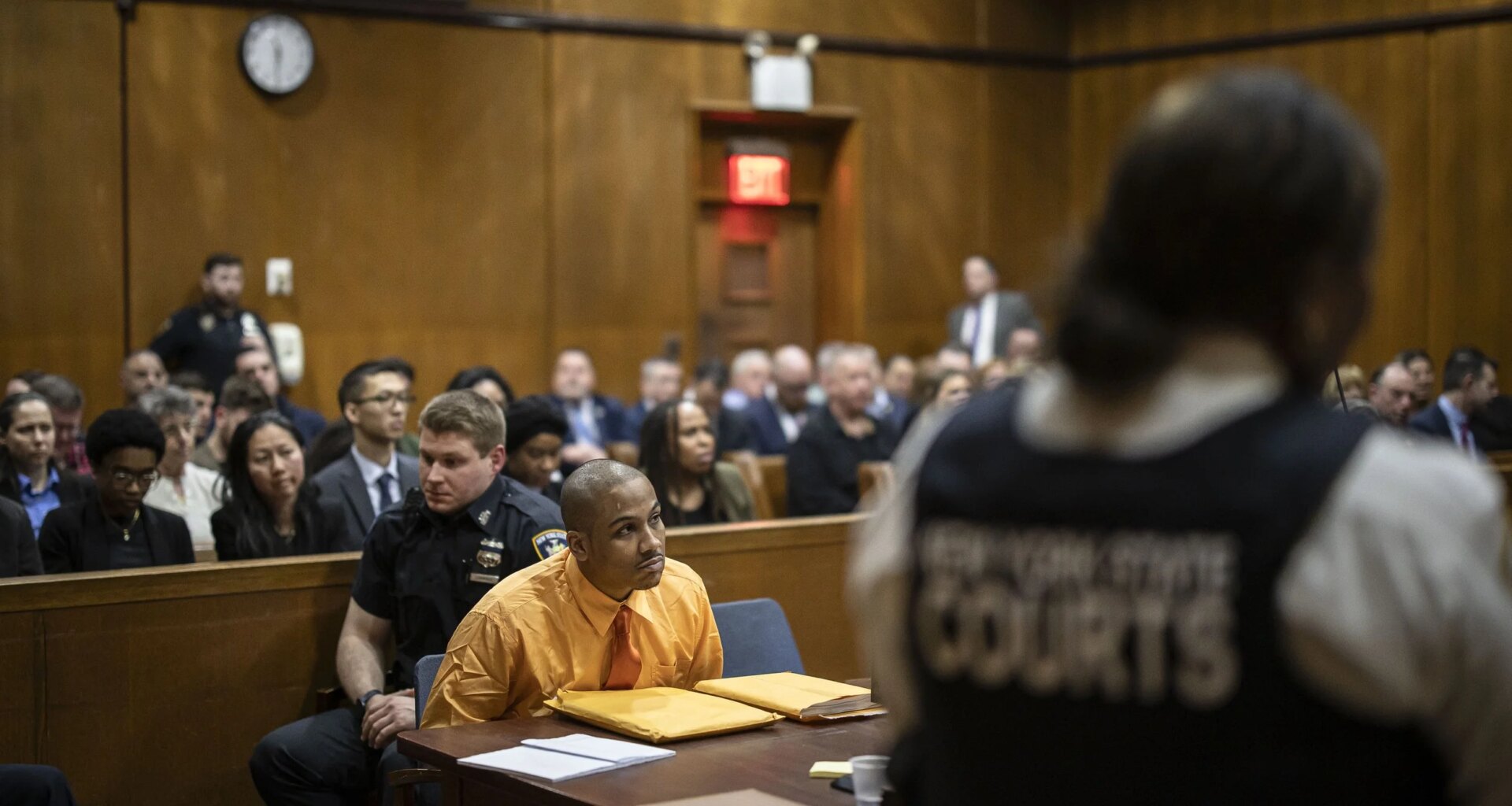
With an emotional room filled with people mostly there in solidarity with Diller’s family, Rivera’s attorneys told the jury empathy was only natural, but to keep their decision and reasoning based solely on the evidence of the case.
“Your decision cannot be based on outside opinion, pressure or presence,” Darcy told the jury while looking at the audience of mostly police officers. “Tragic outcomes do not always come from hate or evil. Sometimes it comes from split seconds of fear.”
Along with the murder charges, Rivera faces a litany of illegal weapon possession charges, which his attorneys did not dispute during opening statements.
Rivera faces up to life in prison without the possibility of parole if convicted of the top charges.