
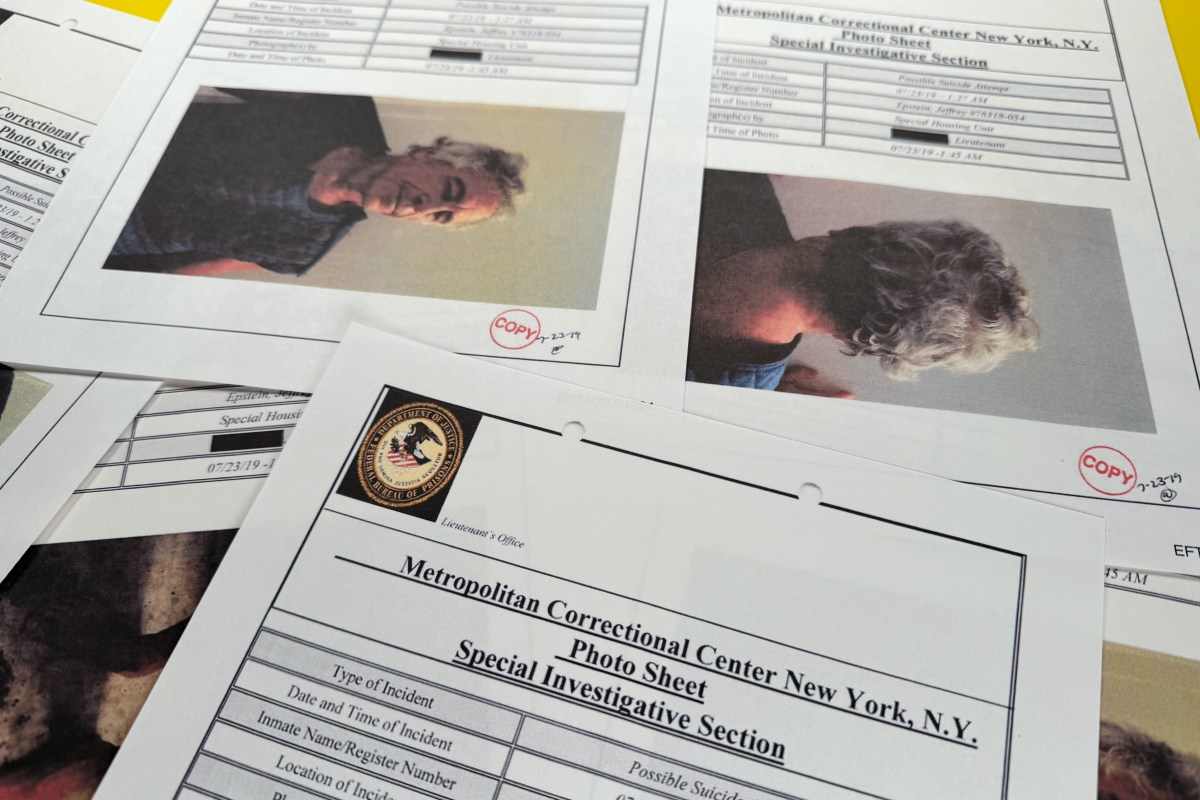
A foreign hacker compromised files tied to the FBI’s investigation of sex offender Jeffrey Epstein during a break‑in at the bureau’s New York Field Office in 2023, according to a source familiar with the matter and recently published Department of Justice (DOJ) documents reviewed by Reuters.
The FBI described the breach as an isolated “cyber incident” and said it had restricted the intruder’s access and secured the network.
It was first reported by CNN and Reuters in February, with new details emerging from the latest document release, Reuters reported.
Newsweek reached out to the FBI for further comment Wednesday afternoon.
Why It Matters
Epstein—who in 2019 was found dead in a New York City jail cell while awaiting his sex-trafficking trial—was a lifelong New Yorker, with the Southern District of New York and local FBI holding millions of files on his trafficking network, per an announcement from the Trump administration in December. His influence and the reach of the investigation stretched far wider, however, with the names of politicians, academics and those in finance all around the world linked to the case, opening it up to widespread interest.
The intrusion appeared to have been carried out by a cybercriminal rather than a foreign government, the source said, but highlighted the intelligence value of the Epstein files as governments and journalists around the world scrutinize documents detailing the disgraced financier’s ties to powerful figures.
 When Were the FBI’s Epstein Files Hacked?
According to the documents reviewed by Reuters, the hack was discovered by Special Agent Aaron Spivack, who inadvertently left a server vulnerable at the Child Exploitation Forensic Lab at the FBI’s New York Field Office. He had been trying to navigate the bureau’s complex procedures for handling digital evidence when the breach occurred on February 12, 2023.
Spivack discovered the breach the day after, when he turned on his computer and found a text file telling him his network had been compromised. Investigators found that part of that breach included the hacker “combing through certain files pertaining to the Epstein investigation.”
It was not clear which specific files were accessed, or if they were downloaded, and the identity of the hacker was also not immediately available.
The source who spoke with Reuters said the hacker was likely foreign, and that they may not have realized they infiltrated a law enforcement server, as they had expressed disgust at the child abuse images on the server and threatened to turn it over to the FBI.
The situation was defused by FBI agents who spoke to the unknown hacker on a video call and flashed their ID on webcam.
In the aftermath of the breach, Spivack told FBI investigators he felt he was being made a scapegoat, blaming the agency’s complex procedures.
The Latest on the Epstein Files
New Mexico authorities searched the former Zorro Ranch property once owned by Epstein on Monday as part of a reopened criminal investigation into alleged illegal activity at the estate before his death, according to the state DOJ.
The 7,500-acre-plus estate, now called San Rafael Ranch, has been cited by several Epstein victims who have said they were trafficked or abused there, according to public court records.
While Epstein’s homes in New York, Florida and the U.S. Virgin Islands were searched during earlier federal investigations, the New Mexico property was not, according to state officials and previously released federal correspondence.
The federal DOJ on Thursday posted three memos previously unreleased and related to allegations against President Donald Trump. The uncorroborated accusations came to light as part of the massive trove of documents related to the Epstein investigation released by the department on January 30.
Update 3/11/26, 3:22 p.m. ET: This article was updated with additional information.