
A prisoner rights organization demands a “proof of life”
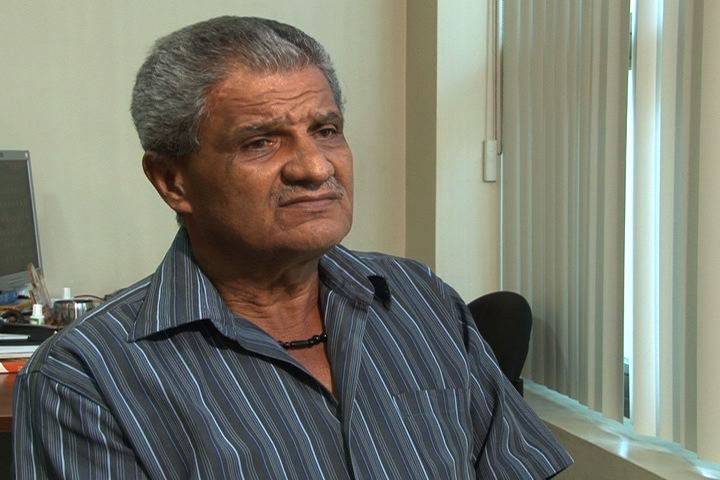
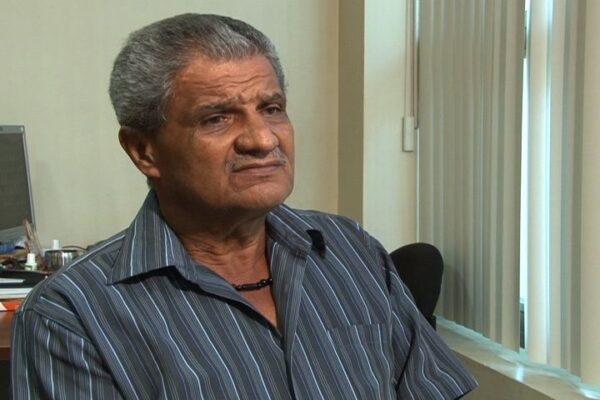 Brooklyn Rivera, former deputy of the indigenous YATAMA political party. File photo: Confidencial
Sources linked to the Nicaraguan Army told Confidencial that the indigenous leader was “in dangerously poor health, and in police custody in a Managua hospital.”
HAVANA TIMES – The Mechanism for the Recognition of Political Prisoners is demanding that the regime of Daniel Ortega and Rosario Murillo provide “proof of life” in the case of Brooklyn Rivera, the Miskito indigenous leader. Rivera was abducted by police on September 29, 2023, and has been in a state of “forced disappearance” ever since.
Sources linked to the Nicaraguan Army told CONFIDENCIAL that the indigenous leader, who until his arrest served as National Assembly representative for the indigenous YATAMA party, is in “dangerously poor health.” According to these sources, Rivera is currently “in police custody at a state-run hospital in Managua.”
On Thursday, March 12, 2026, the Mechanism reported that since his detention, his family members “haven’t heard anything from him. They have not been able to see him or obtain information on his whereabouts.”
To date, his family has gone “895 days without knowing where he is,” and, according to that organization, concern is “even greater due to his delicate state of health.”
The 73-year-old indigenous leader was arrested at his home in Bilwi (Puerto Cabezas), on Nicaragua’s North Caribbean Coast. Since then, there has been no official information regarding his whereabouts, and his family has been unable to see him or communicate with him.
“Rivera reportedly suffers from high blood pressure and, following his arrest, was reportedly transported by ambulance due to his medical condition,” the Mechanism noted.
No official information
The lack of official information has left his condition unclear. Since his arrest, his family has been subjected to threats, harassment, and persecution by the National Police and prison authorities.
For decades, Rivera was one of the most prominent voices in the defense of the territorial, political, and cultural rights of the Miskito people and other indigenous communities in the region.
In July 2025, Tininiska Rivera, daughter of the Miskito indigenous leader, denounced the repression against indigenous leaders to the UN Expert Mechanism on the Rights of Indigenous Peoples.
“As a daughter, I have been forced into exile after receiving threats and living under a constant atmosphere of persecution,” she reported.
International Campaign for Rivera’s Release
The human rights organization Amnesty International included Rivera in an international campaign calling for the release of three prisoners of conscience worldwide, including lawyer Sonia Dahamani of Tunisia and photojournalist Sai Azael Thaike of Myanmar.
According to Amnesty International, Rivera was detained solely for “defending the rights of his people.” “Brooklyn’s arrest is yet another example of repression in Nicaragua. Anyone who dares to think differently—indigenous leaders, journalists, activists, and human rights defenders—is punished with imprisonment, exile, or disappearance,” the organization asserted.
The Group of Human Rights Experts on Nicaragua (GHREN) noted in its March 10, 2026 report that it has documented the forced disappearance of 75 people—60 men and 15 women—for periods ranging from several weeks to more than two years.
“The whereabouts and fate of 9 of these individuals (7 men and 2 women) remained unknown at the time of writing this report. Among them is Brooklyn Rivera,” noted the Group of Experts.
At the same time, the GHREN noted that the Nicaraguan courts “have not accepted habeas corpus petitions, leaving families with no effective remedy.”
“Family members also fear reprisals, which means that there are undoubtedly more cases of arbitrary detention and enforced disappearance than are reported,” said the GHREN.
First published in Spanish by Confidencial and translated and posted in English by Havana Times.