
NEW YORK — Next to the criminal courthouse in lower Manhattan sits an empty chasm where a jail once stood. Over nearly two centuries, a facility nicknamed “The Tombs” because of its underground cells and original Egyptian Revival-style architecture was built, demolished and rebuilt multiple times.
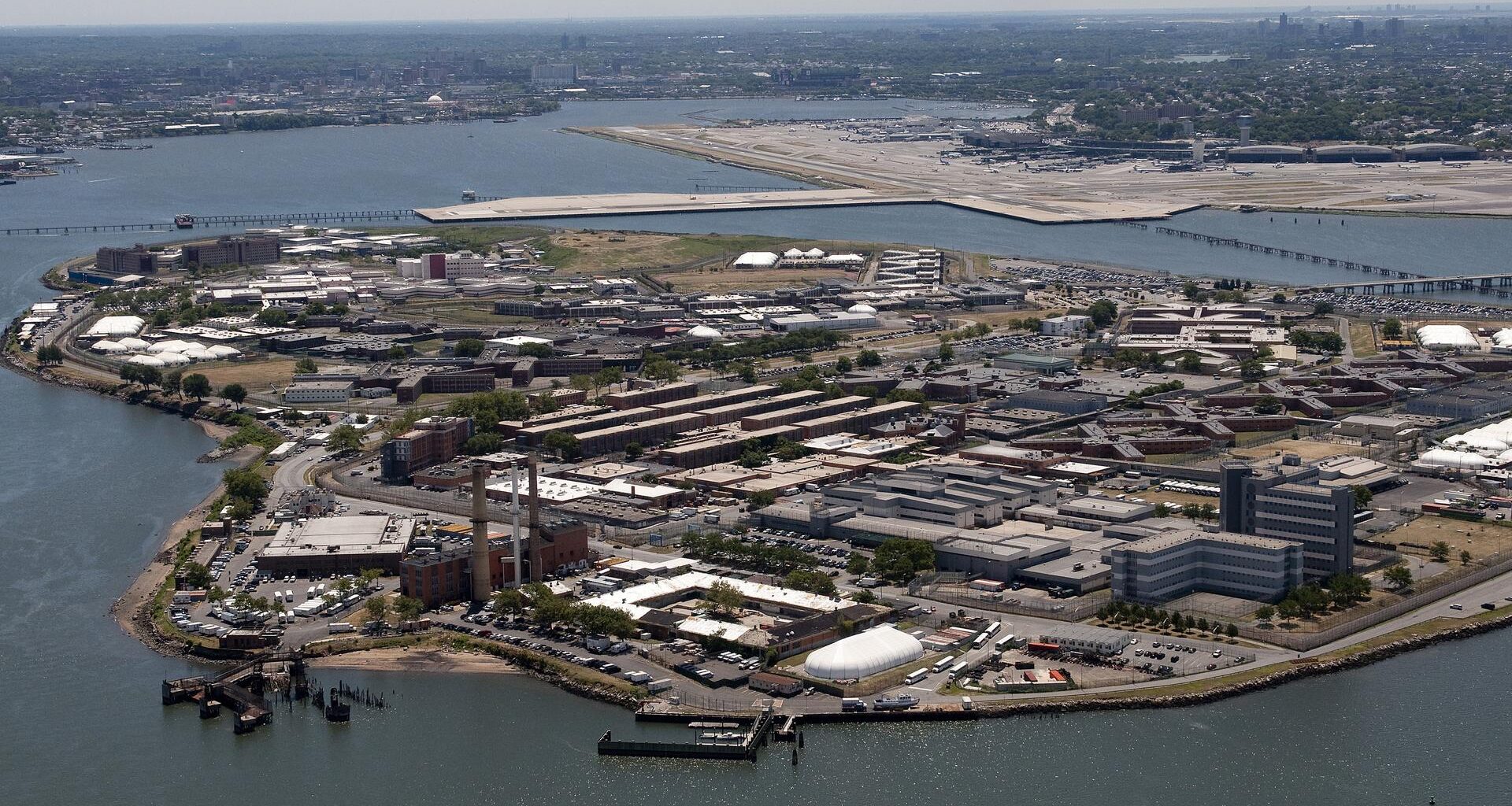
Soon, it will be the site of the world’s tallest jail — a key component in a plan to close New York’s notorious Rikers Island jail complex and replace it with four smaller, “humanely” designed facilities in Manhattan and three other boroughs.

Download the SAN app today to stay up-to-date with Unbiased. Straight Facts™.
Point phone camera here
The future of the $16 billion Borough-Based Jails program — the largest criminal justice overhaul in New York’s history — was in doubt last fall as the city was choosing a new mayor.
But two months after Zohran Mamdani took office as New York City’s youngest and most progressive mayor in generations, a spokesman told Straight Arrow News that the program is moving ahead. Excavation for the new skyscraper jail on the site of The Tombs is expected to begin this spring, the mayor’s deputy press secretary, Sam Raskin, said.
But with construction delays, a looming deadline to close Rikers by August 2027, and a population at Rikers that far exceeds the new jails’ capacity, the Borough-Based Jails plan may be as uncertain as it is ambitious.
The challenges facing New York are not unique. Cities such as Los Angeles, Philadelphia and Chicago also are dealing with large jail populations, high recidivism rates, aging infrastructure and terrible jail conditions. How Mamdani executes the Borough-Based Jails plan could serve as a model for other communities — or a cautionary tale.
Death and violence
Rikers Island rests on about 415 acres in the East River and houses 10 jails. Much of the island is made of toxic landfill.
Advocates have spent decades documenting Rikers as one of the nation’s most abusive and dangerous jail complexes. Calls for upgrades and fixes became demands for permanent closure.
In January, a federal judge named a receiver to take control of Rikers — former Central Intelligence Agency officer Nicholas Deml — after years of deaths, chronic and severe violence and mismanagement.
While many believe Rikers needs to close, the plan to spread replacement jails across the city has been controversial. Some don’t want jails in their communities; they want facilities that prevent incarceration in the first place, such as free after school programs or affordable housing. Others worry about public safety and quality of life with construction of the new jails.
Before he was elected mayor, Mamdani advocated for closing Rikers, but criticized the Borough-Based Jails program as a continuation of mass incarceration.
As mayor, he has changed his tune.
A looming deadline
In 2019, the New York City Council, with the support of then-Mayor Bill de Blasio, mandated that Rikers close by 2026, to be replaced by smaller jails in four of the city’s five boroughs: Manhattan, Brooklyn, the Bronx and Queens.
Officials later pushed the deadline to August 2027 because of the COVID-19 pandemic and construction delays. Even that later deadline may not be feasible.
But Stanley Richards, commissioner of the city’s Department of Correction, said in a statement to SAN that Mamdani is fully behind the plan.
“The Department of Correction, under Mayor Mamdani’s leadership, is committed to closing Rikers Island and replacing it with borough-based jails,” Richards said. “Building these facilities is part of the administration’s broader effort to create a more restorative, safer, more accountable system for correction officers, people in custody, and the entire city.”
The timeline, however, remains uncertain.
A complicating factor is Rikers’ persistent overcrowding. It currently holds about 6,800 people, a number that ballooned under former mayor Eric Adams’ administration. The combined capacity of the four new jails is roughly 3,800.
“We don’t have a timeline yet, but I can tell you what we’re going to do,” Richards told New York television station WPIX last month. “Every day, we’re going to work to make sure that we could move whatever we can move to begin to reduce population, expedite the borough-based jails, support culture change, support our officers and make sure our jails are safe.”
“We need to demonstrate to New Yorkers, our City Council partners, that we are serious about closing Rikers,” Richards said. “And so we’re going to look at what options we have to bring down the population and prepare the department for the borough-based jails,” he said.
Start your day with fact-based news.
Work begins for two jails
Construction has already begun on the new jail in Brooklyn, with structural steel work to be completed in April, Raskin, the City Hall spokesman, told SAN.
“All of the construction contracts for the four borough-based jails are registered; early works and demo projects have concluded for all four sites,” Raskin said.
The Bronx site’s excavation for foundations started before the end of 2025. And in Queens, early utility work is expected to start this summer, Raskin said.
Richards said the new jails are important for the city.
“Their locations bring people closer to their families and communities, strengthening fairness and connection throughout the process,” he told SAN. “The new facilities, now under construction, are essential to creating a smaller system with safer, healthier conditions that place human dignity and care at the center.”