
The best part of any CanJam is almost never the gear.
Having been around the block a few times and the showfloor often being an exercise in disappointment and missed opportunity (with perhaps a few gems sprinkled in there), the best part of any CanJam is unquestionably the people. This year had more newcomers and fresh faces than ever before, which meant the entire weekend was a mix of seeing my good friends that I’ve already known for years, and meeting new people that I’m excited to hang with in the shows to come.
But of course, if you’ve never been to a CanJam before, the most interesting thing about it is absolutely going to be the gear. Every year the show floor has a few new releases and some experimental prototypes, sometimes (ideally more than) one of these elicits enough excitement that someone insists you have to hear it. While I can’t say there were tons of moments like that for me this year—most of my friends are similarly experienced and a bit harder to impress—it’s still great getting to share experiences with people and talk about audio.
After a few years of attending CanJam though, you learn to be selective with your time. Even though my list was pretty short, because I intentionally didn’t put things I know I wouldn’t like on my list of “headphones to try,” I’d be lying if I said I got to hear everything I wanted to.
So here are some quick list of “curated” impressions from the show floor, mostly just of the stuff I knew I didn’t want to miss. Readers should note though: the show floor is notoriously kind of a terrible place to hear things—that’s why none of these impressions are going to be used to rank these headphones or IEMs—so feel free to take the impressions with as many grains of salt as you’d like.
Audeze LCD‑5S
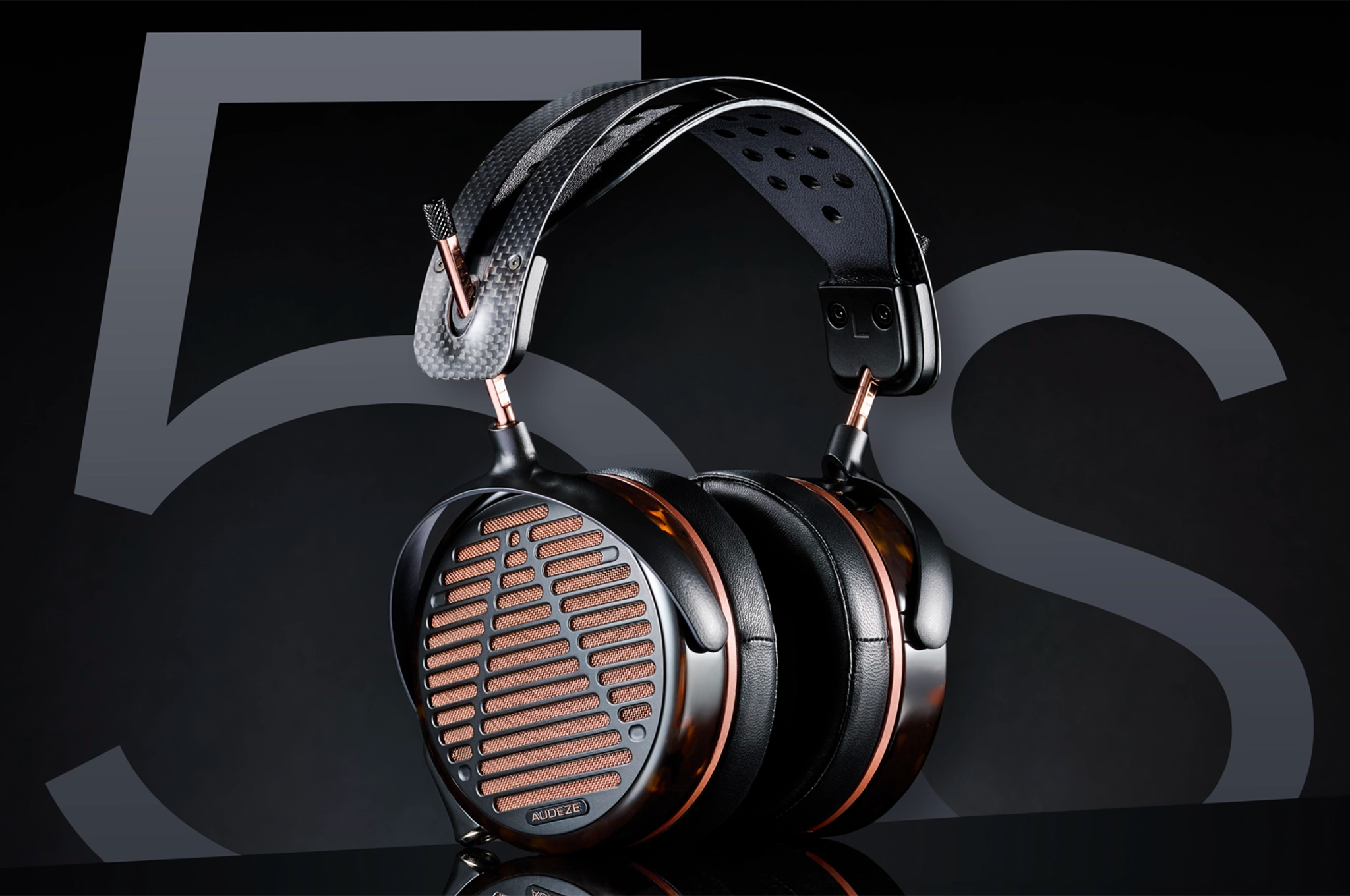
Unfortunately I think the LCD-5S is yet another step backwards for Audeze, after the LCD-5 which was also a step backward from the LCD-4, in my opinion. LCD-5S superficially harkens back to Audeze’s prior “house sound” of recessed eargain, but it felt notably more confused than their older headphones to me. The biggest issue is an elevation in the region around 1 kHz that pushes a bit too forward, making it sound small, a bit clacky, and weirdly disjointed when it comes to vocal presence; vocals sound placed very close (too close) to the listener in the mix, but the recessed eargain means despite the closeness, it lacks intelligibility.
There’s a bass emphasis around 50 Hz on my head that is both mild enough not to be noticeable as a contributor to significant punch or weight, while also adding a bit of slowness to the presentation. It being a narrow elevation and at the very bottom of the frequency response means it doesn’t quite add the counterbalance to the 1 kHz forwardness that would be ideal. Treble was mostly reasonable, though there’s a noticeable rise in the mid-to-upper treble transition that can add a bit of edge. It sticks out quite a bit because its fairly relaxed in the lower/upper treble, too.
Overall, I don’t love this headphone, and I’m not really sure what the goal here was. It’s too dark to sound sufficiently textured like a “flagship” headphone, too weird in the mids to sound sufficiently “reference” like the LCD-5 (kind of) does, and too disjointed in the bass to have the monolithic sense of size/weight that the older LCD models like the LCD-4, LCD-MX4, and LCD-X have. In my opinion, the ideal here would’ve been something with full bass extension instead of a sub-bass rise, less 1 kHz energy, and a bit more low treble. Something like a moderately improved LCD-4 or MX4.
Audeze CRBN2
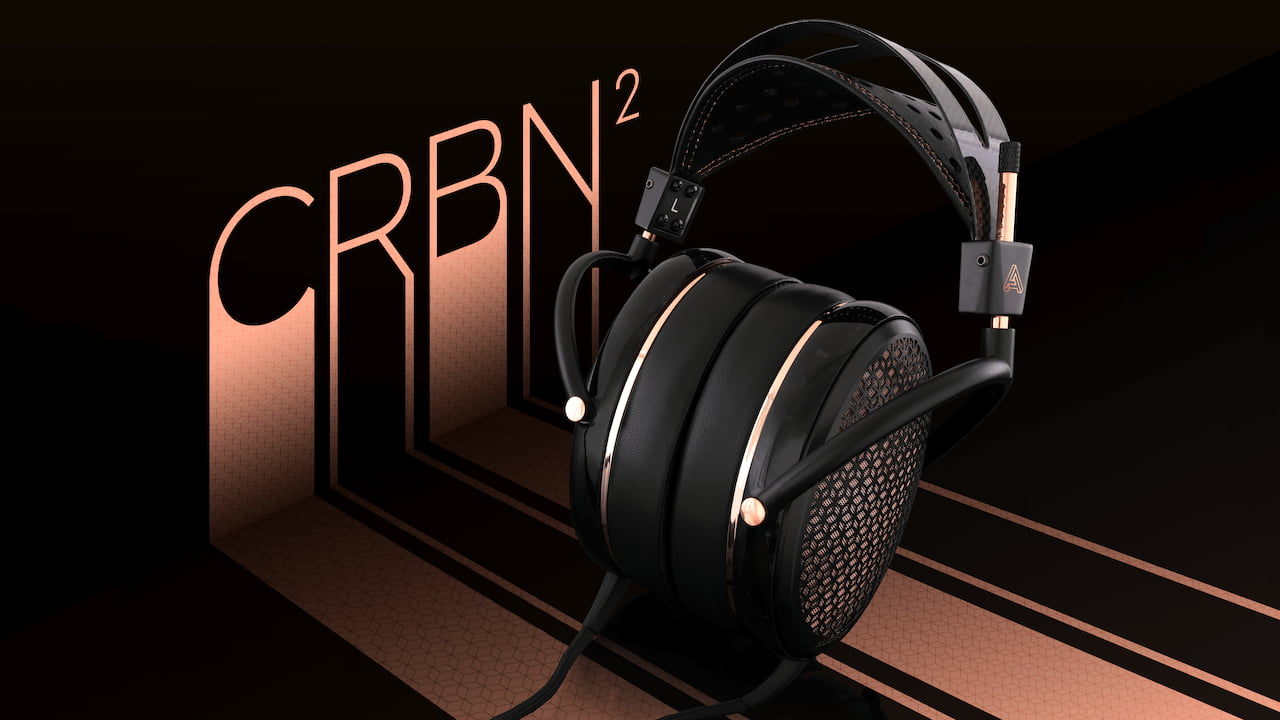
This one wasn’t as bad as I thought it’d be. It has the same bass issue as the LCD-5S where there’s a sub-bass rise committing some lethargy and lack of precision, with a midrange that leans a bit counter-clockwise tonally with a somewhat dry spike around 3 kHz. The treble was actually fine for me on this one, though.
While on neutral/brighter mixes, this headphone came across with an unappealing combination of being fairly “slumpy” and quite lean/papery, on warmer mixes the tuning came together nicely and the overall presentation was quite enjoyable. It almost reminds me of the DMS Omega, but in a more open, comfortable chassis.
Overall I don’t dislike this headphone, but for the price I can’t help but feel like it compromises too much relative to much less expensive options. I do admit, it looks awesome in person, though.
ETA Uli
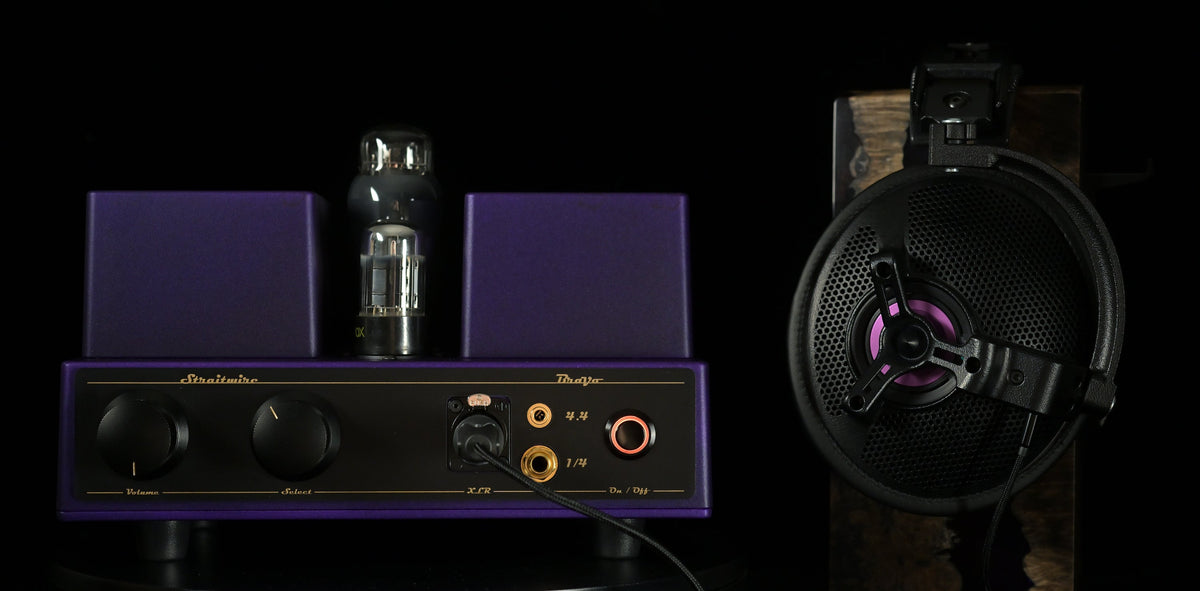
ETA is a company I’ve had mixed experiences with, mostly to do with ergonomic design… and unfortunately Uli is another example where, in my opinion, they’re clearly letting their philosophies/theories about headphone design overtake best/safest practices when it comes to designing things for people to wear on their heads. This isn’t entirely without sonic merit, as I’ll talk about in a second, but realistically this headphone is way too massive and strange for me to recommend anyone, except those who are chiefly concerned with curating a collection of curiosities instead of buying a headphone they want to use all the time comfortably.
The earcups are massive, the clamp is far too loose, and the headband construction seems… esoteric for the sake of being esoteric. It’s a 3D printed housing with all of the “hand-feel” downsides that typically entails, and it looks… unique, if I’m being generous.
Sonically though, shockingly its mostly a reasonable tuning with a few quirks. Bass sits a bit too forward around what I assume is the driver’s own free-air resonance, while the center mids have a faint hollow quality to them. Upper mids are somewhat relaxed for my preference, and the treble is largely well-behaved aside from a narrow but noticeable peak around 7 kHz. Overall, its not a sound that presents much of interest—I certainly didn’t get anything special in terms of the spaciousness/immersion like I expected—it’s slightly warm, slightly bright, but neither are massive dealbreakers here.
That said, I wouldn’t say its competitive at the price they’re asking as a whole, because again the construction, comfort, and looks are so weird to me that I think it’d only appeal to people looking for something kinda weird.
But perhaps it’s not designed to find a large audience anyway. It’s clearly a product of ETA’s specific, idiosyncratic beliefs/theories about headphone design, and that means its kind of definitionally limited to the audience being people who find that stuff compelling. I am not one of these people, so this headphone isn’t for me.
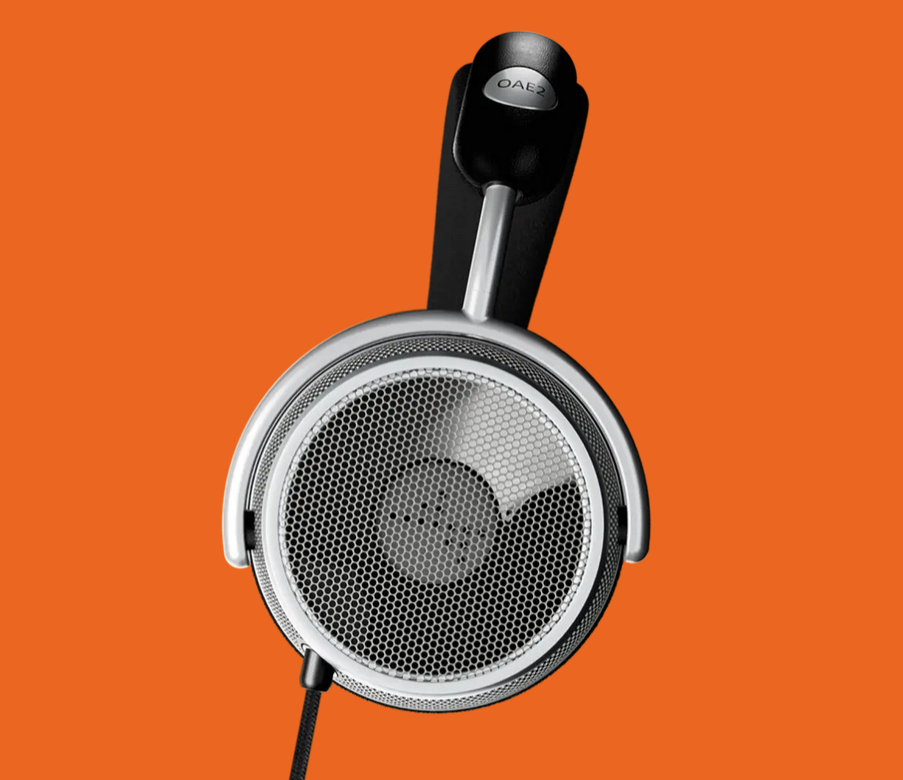
Grell OAE‑2
While this one does have one big change—significantly less bass bloom—unfortunately it still hasn’t solved the issues I heard previously with OAE-1. The upper mids/lower treble still have that “concrete smack” character that makes transients feel overly hardened and fatiguing, and the treble above 10 kHz still remains quite bright. It also still has a mid-treble dip which may exaggerate the perceived sharpness on both sides of its periphery.
Comfort also remains a problem for me. Whatever redesign they did—adding padding on top, lengthening the yoke arms, lessening clamp—was not sufficient to fix the fact that the headpad is the wrong shape to distribute weight on a human head. It sucks, because I really, really want Axel Grell to be successful, but I don’t think the path he’s walking down currently is one I can support or recommend to people.
Axel also made it clear that he felt OAE-2 was a compromise, where OAE-1 was his intention fully realized… but if that’s the case, I don’t think OAE-2 went far enough in the more “normative” direction to make it more compelling than OAE-1. If this is the only path Grell Audio has in store for us, I foresee a rocky journey ahead for Grell Audio.
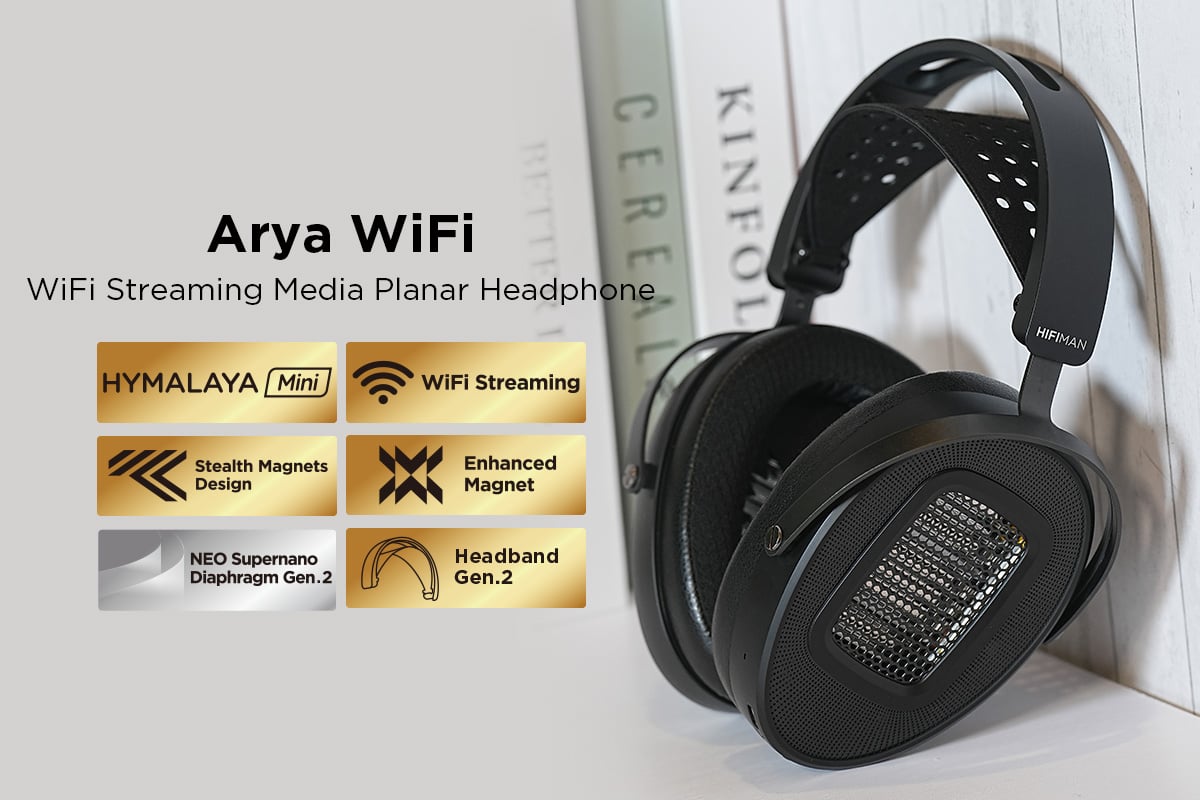
Hifiman Arya Wifi
An unusual shift compared to typical Hifiman presentations. Full disclosure, I heard the HE1000 Wifi at Cameron’s house in February, but this one seemed a little bit different, mostly in the treble.
Firstly, if you like the open, spacious presentation of the typical egg-shaped Hifiman headphones… look elsewhere. Most of this headphone’s acoustics are occluded by the PCB around the entirety of the driver, so there’s very little openness or sense of effortlessness when it comes to this headphone’s presentation.
Sonically, there’s a slight excess around 100–200 Hz, a bit more 2 kHz, and noticeably less upper-treble air than usual—which might sound like a good thing, if you find these headphones typically too bright like I do. But those changes end up exposing the 3–5 kHz region more than I’d like; this is a “crunch” most Hifiman planars have, but its usually covered up by the considerable upper treble lift. Instead, with Arya Wifi the listener gets a slightly bloated, overly-crunchy presentation that I can’t say sounds especially appealing on anything, though weirdly I can’t say it sounds disastrously bad either.
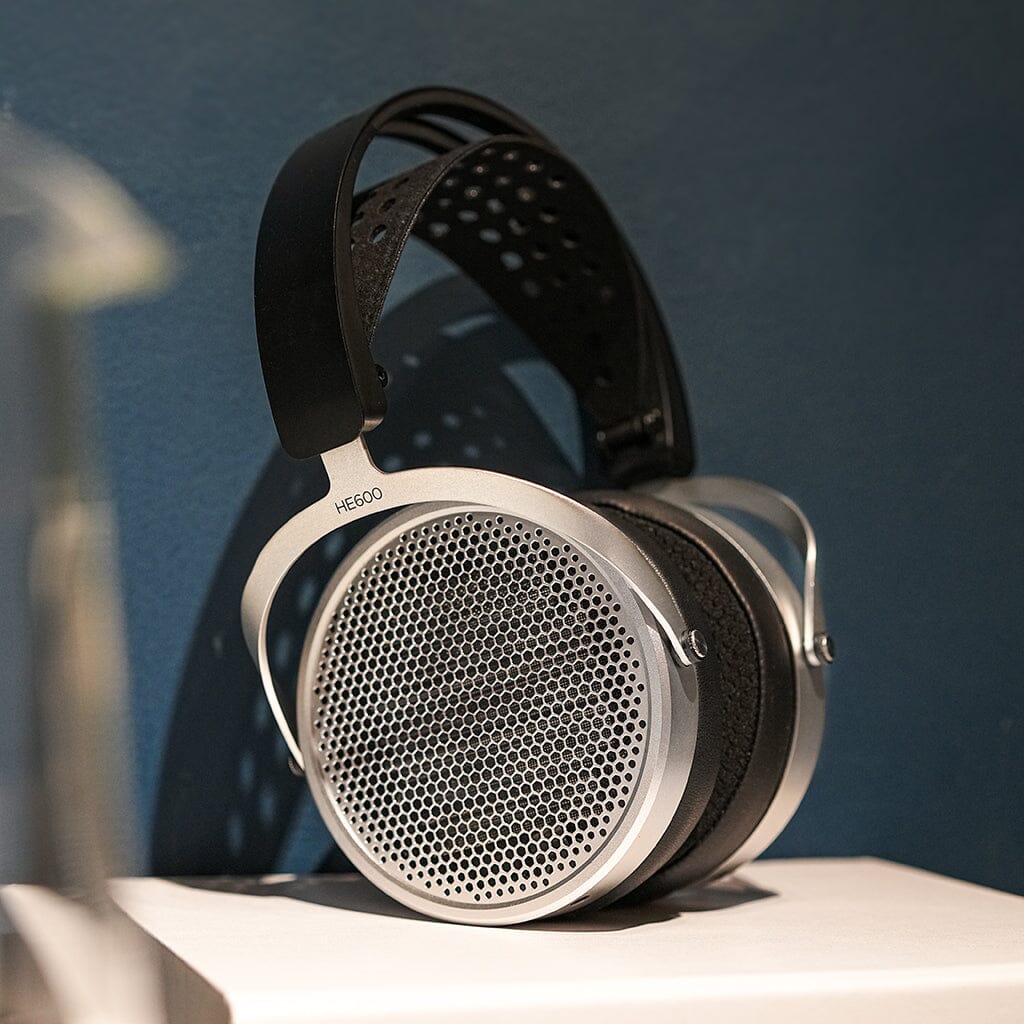
Hifiman HE600
HE600 is lean, glarey, and sibilant in the treble, with the typical limp overall presentation I’ve come to expect from Hifiman designs that aren’t the Edition XV. The sibilance in particular was difficult to ignore, but the whole thing also lacked the sense of control you’d expect at this level (and that I’d expected from having seen measurements).
For how counter-clockwise tilted it is, I expected it to sound very tight and collected, but in my listening it came across sloppier and worse-controlled than some far cheaper planars, including the Sundara 2020 that people are often comparing it to.
I think if someone doesn’t have issues with the treble, its likely this headphone sounds more put together and unified, but for me it was just… quite bright, but not in a smooth or appealing way.

Lily Audio GenesisOne
Flat out, this was the worst headphone I heard at the show, if not one of the worst headphones I’ve ever heard. The presentation was insanely bright and shouty, to the point that it was difficult to listen for an entire 60 seconds.
My immediate suspicion was that there is some intended EQ profile that may not have been active, but if this was the intended tuning, it was an outright bad experience and I can’t recommend this headphone at all. If there’s an EQ that wasn’t activated that was supposed to be, the only advice I can give is not to ever let this EQ be disabled when you use this headphone… because it sounds rough.
That said, the ergonomic and industrial design was fairly decent. Obviously it takes several cues from the HD 800S, but I found the rearward earcup tilt was not sufficient, so I got a significant airgap underneath my ear when placing it on my head which led to a mixed comfort experience. However, it does have a suspension strap that distributed its already feathery lightweight on my head quite well.
Overall, the construction still looks a bit prototype-y, but if there’s an EQ that makes this thing sound better and they can fix the cup tilt, I could see this being a fun novelty for people to have around.
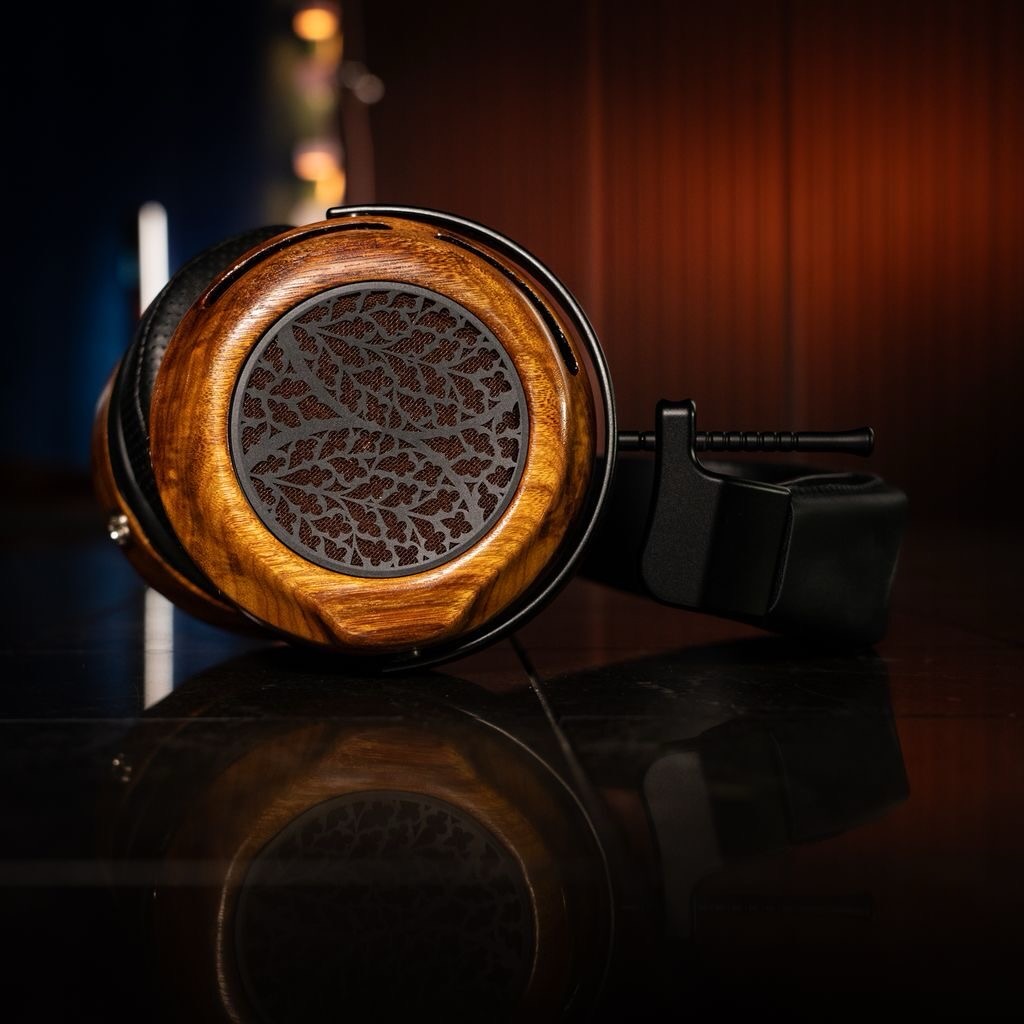
ZMF Tessidera
Weirdly I think this might be the darkest ZMF I’ve heard. I say “weirdly” because planar magnetic headphones trend bright for me, but Tessidera was both warm tilted in the mids as well as quite dark in the treble such that I didn’t get much of the texturing, snap, clarity, or focus that I typically want from a headphone.
The bass is extremely soft and feathery, sounding like it both lacks in extension while also having a bit too much upper bass relative to the midrange. Speaking of the midrange, it sounds quite hollow due to what sounds like a big dip somewhere in the eargain rise above 1 kHz. Finally, the mid-treble region is quite recessed, which compounds with the already-warm midrange to make me come away feeling this headphone is just too lacking in intelligibility for me to enjoy it. The overall presentation just feels distant and muffled, lacking the “energized” feeling I think people are going to expect from a headphone of its price.
That said, this does jell with my perception of what ZMF’s house sound tends to be: Warm in the mids but with unpredictable treble. For people who already like ZMF headphones, this likely isn’t going to be a big enough departure for them to dislike this one. For people who like really warm headphones, this is likely to be a great headphone for them. But for me, this just lacks too much in important areas and comes across colored enough that it doesn’t spark any joy or interest for me.
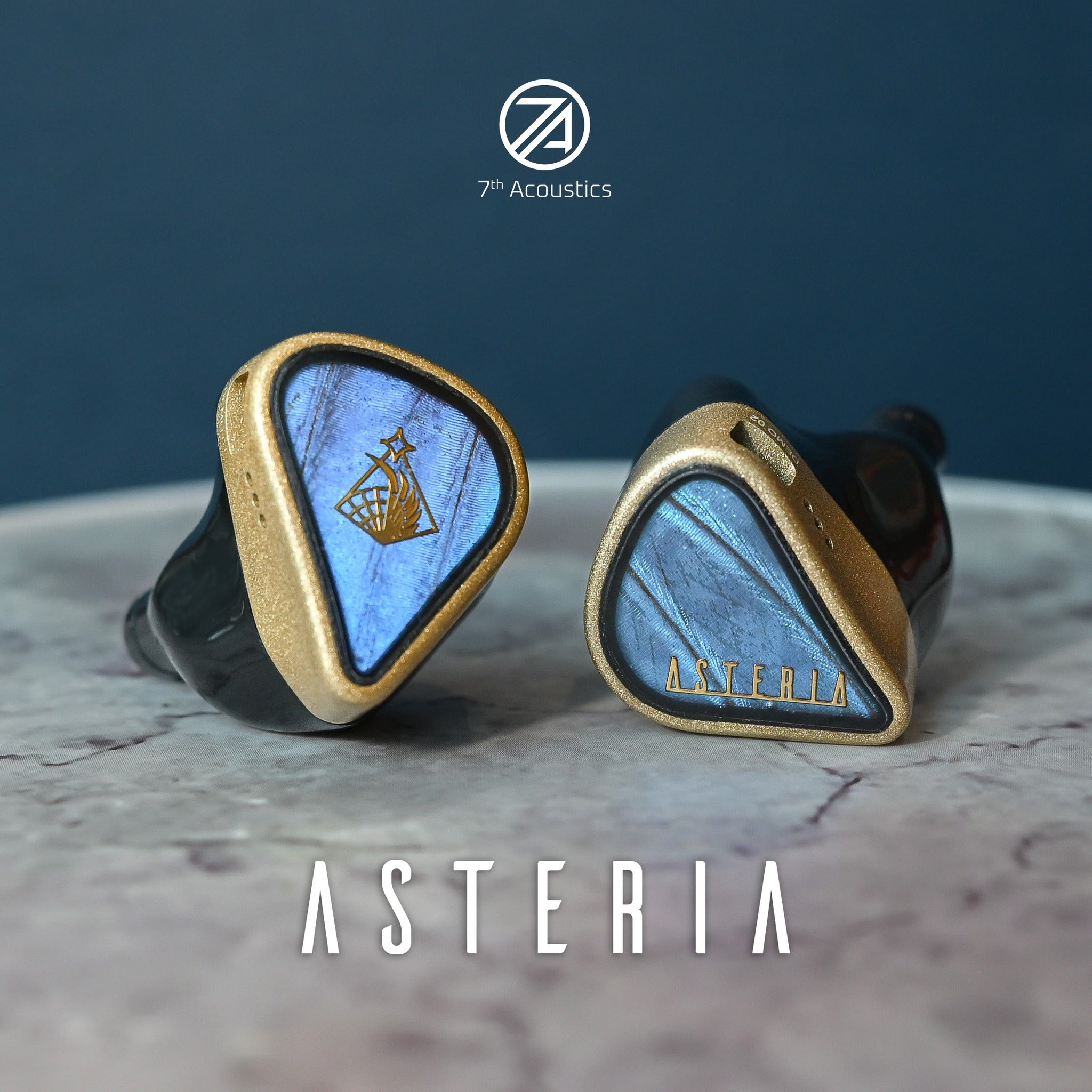
7th Acoustics Asteria
This thing didn’t fit me super comfortably, but also sounded outright bad to me. The midrange sounds strangely pinched/nasal, almost like there’s a narrow Q dip or peak somewhere (though in my ears, I didn’t detect any such feature on a sine sweep). The treble comes across insanely forward, almost like a digital sharpening filter was applied to it and almost makes it sound like the mix has been compressed, highlighting low-level details but throwing off the transient integrity substantially.
Interestingly, the bass isn’t overblown—but the upper-range issues completely dominate the experience in a way that made this one of the worst things I heard at the show. Which is a shame, this is one I actually thought there was a good chance I’d enjoy.
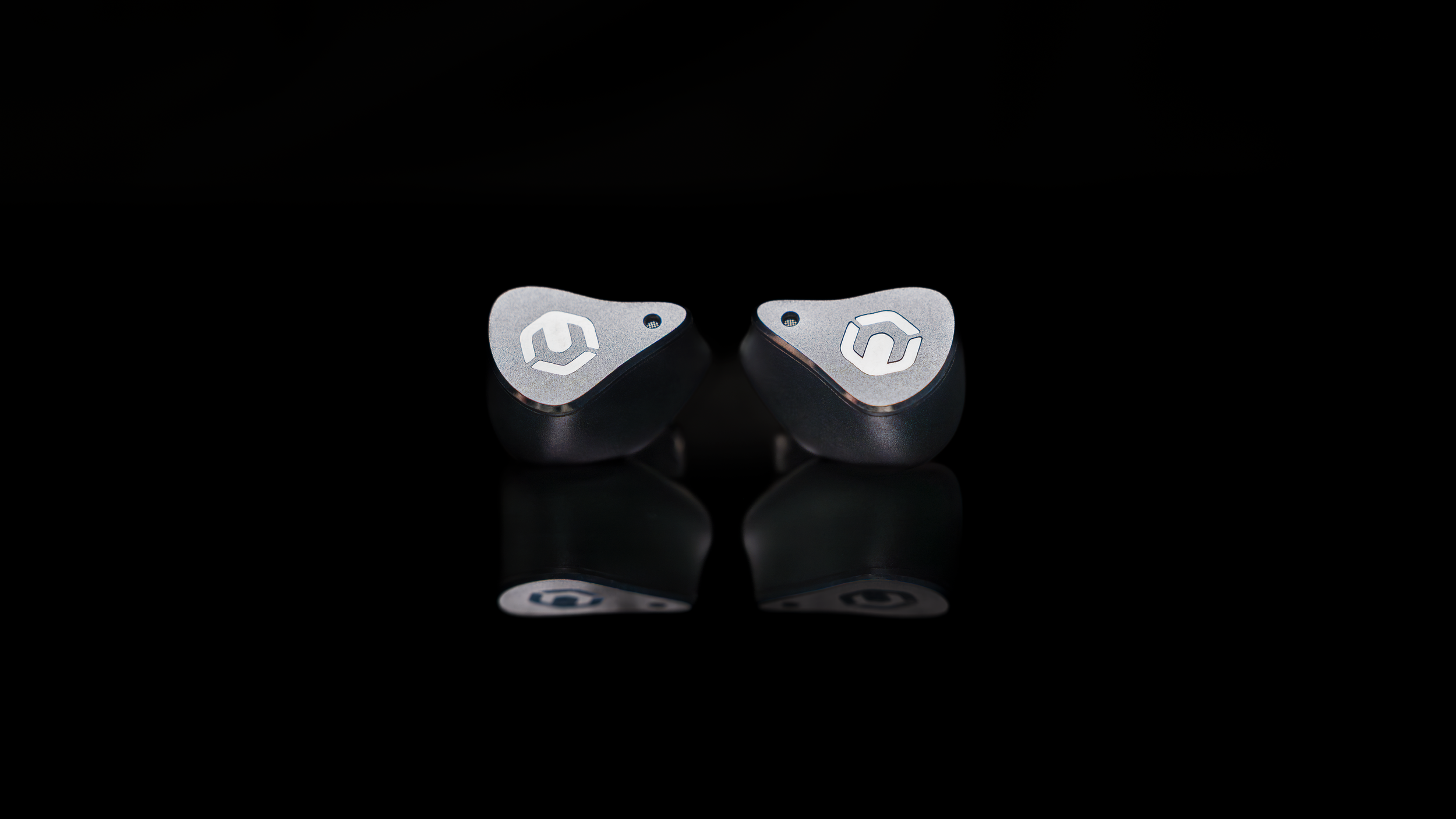
CrinEar Reference
My most anticipated product of the show… and unfortunately it fell a bit flat for me (pun intended). First I should say, for people who aren’t me, this is likely to be a solid all-rounder with very few quirks of note. The shell is fully metal, quite large, but well molded to fit my ear. The cable is Fine™, a bit thick but feels nice enough. The tuning is, well, Crin’s take on a neutral signature. If you’re familiar with Crin’s taste that means its still got some fairly prominent/separated bass, a slightly lean midrange tilt, and a “filled in” treble profile with no major dips.
Bass is still somehow the focus here, despite not being super elevated, and I’m not a massive fan of this spotlighting; it distracts a bit too much from the rest of the mix. The mids feeling a touch thin means snare drums lack in heft, electric guitars are a bit too biting, and vocals sound a bit too clenched. I also get a bit of extra energy around 10 kHz that gives it a slightly “spritzy” quality.
For me, these things all lead to Reference coming across a bit too detached in the bass, a bit too lean, and a bit too strident for me to feel it is strictly what I’d call “reference” for my own ears, but I think for most IEM enthusiasts this is likely to be a good thing. While I still need to get a unit in for a full review, I have to say I’m a bit less excited about my own potential for enjoyment of this IEM now that I’ve heard it, even if I’m still quite excited about other people’s enjoyment with this IEM considering its still probably one of the least bad tunings available in its price range.
CrinEar Cipher (Nightfall)
Now this…. I’m more excited about. CrinEar Cipher (being renamed to Nightfall) was arguably the most immediately enjoyable listen of the day. The presentation is slightly bloomy but in a cozy, rounded way that makes it feel relaxed and easy-to-enjoy rather than sloppy or bloated. The ergonomics are also extremely well-considered, having Crin’s smallest shell to date and a handsome blue colorway.
While this IEM still has too much bass and upper treble for me, its easily my favorite of Crin’s IEMs thus far—both in terms of its sound quality, as well as its prospect as an overall package (the small shell and insanely reasonable asking price are going to make this thing one of the easiest recommendations ever).
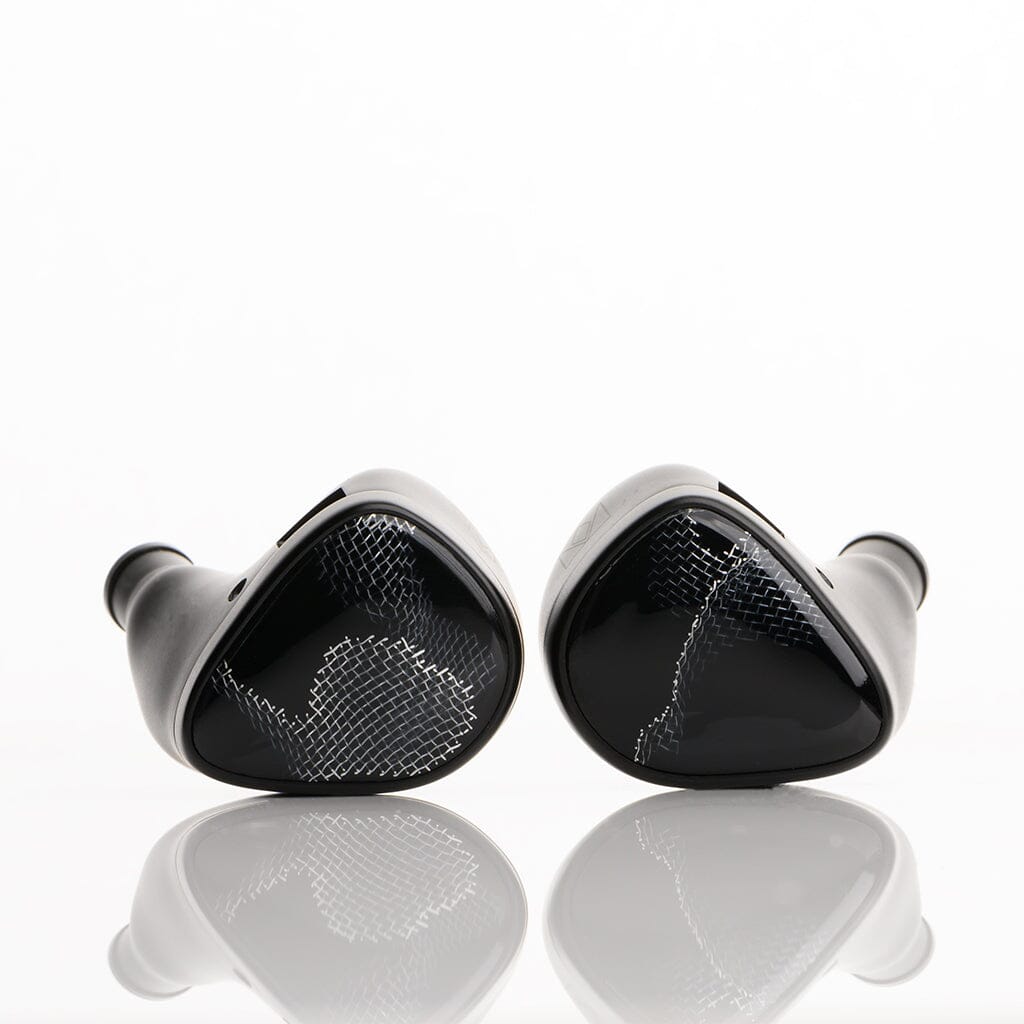
Noble Onyx
This was one of the biggest positive surprises of the show, I really enjoyed this one.
The bass hits hard without becoming overwhelmingly forward or disconnected from the rest of the mix. Mids are relaxed but still maintain enough center-mid presence to keep the focus of the IEM (bass) lively and intelligible. Treble is smooth overall, with just a slight chirp in the absolute highest octave.
It can skew a bit warm on already warm mixes, but the overall vibe is that it hits hard, has a distinct “glow” to vocals, and presents most things smoothly enough that I don’t get many of the issues I usually get with IEMs in this price range.
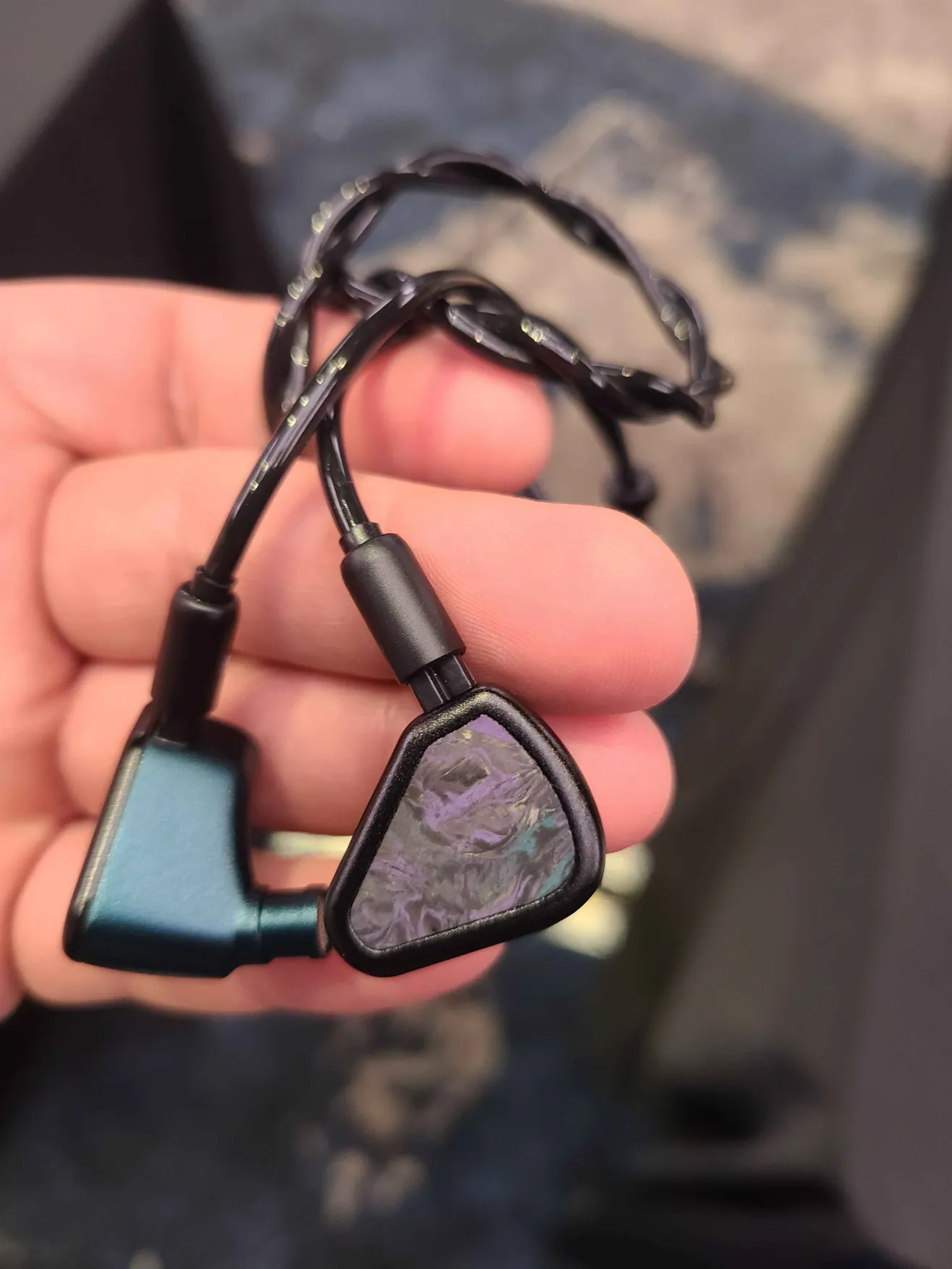
Symphonium x Elise Zenith
I would call Symphonium and Elise friends of mine, so of course I was hoping this IEM would be something I could recommend… but unfortunately this one fell short in the same way a lot of Symphonium’s other IEMs fall short for me: there’s just way too much upper treble here.
Now, I get that for an $1800USD IEM, there are going to be certain expectations for the sound from the people most typically shopping in this price range (“moar detail”), so I understand that Symphonium and Elise were likely targeting that customer instead of me… but I really just could not find any music where this IEM sounded very good.
The mid-bass was too forward relative to the midrange, causing voices and the overtonal elements of the music to be pushed too far back, and the upper treble was incredibly glassy and uneven, almost having a overly-particulate “sandy” quality to it. Snare drums sounded too thin and focused on the bottom head/chains, cymbals sounded weightless and cheap, and vocal sibilance was a consistent problem.
I think for people shopping in this price range and looking for a set that has “technicalities,” I actually just feel this flat out underperforms relative to less expensive IEMs with similar tuning (which I’ll talk about towards the end). Unless they really want a “distant but bright” presentation, Zenith is something I’m probably not gonna recommend to most people.
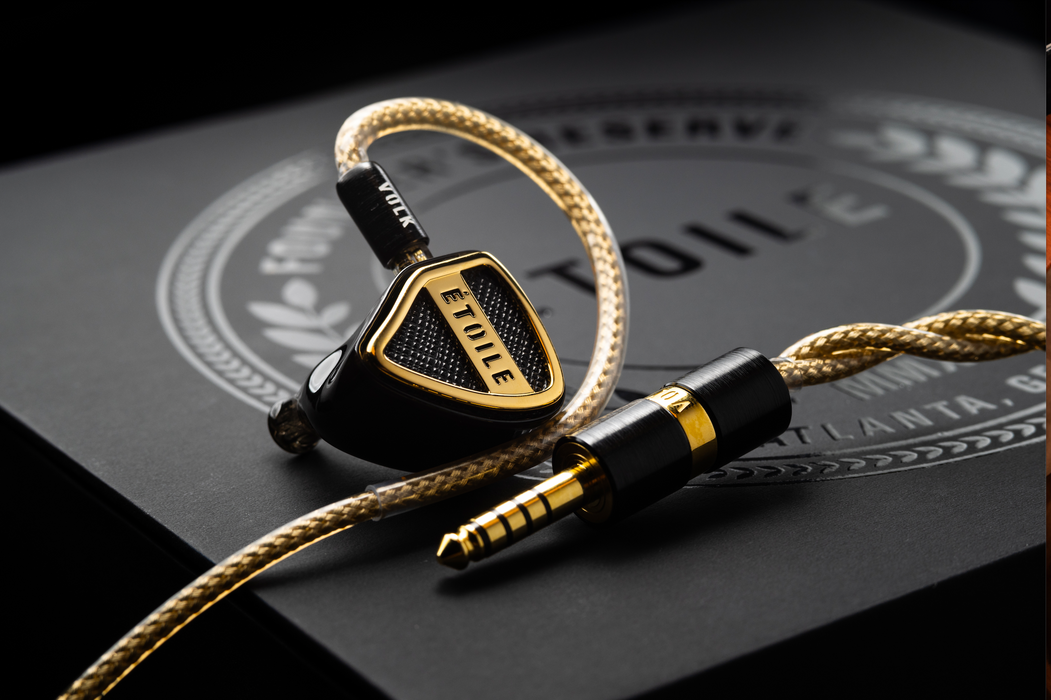
Volk Étoile
This is one I actually expected to be worse/weirder than it is, but honestly… it’s kinda cool? It’s not neutral by any stretch, but I don’t get the sense even for a second that its trying to be. It’s clearly going for a very colored presentation, and the simple truth is that the colorations are interesting and jive with my taste enough for me to get down with it. Do I want to own it? No, but it was a fun listen.
Bass texture is easily the most interesting part of the presentation here, electric basses and synth basses have a noticeable raspiness that comes across as a special, fun quality about this IEM that I haven’t really heard on other sets at the show. The downside is of course, vocals and non-bass instruments have a somewhat “telephony” character that pulls them entirely out of the realm of realism and means you kinda have to only focus on the bass to enjoy it. Surprisingly the treble isn’t terrible, though there’s a mild mid-treble glare and a faint wisp of air.
Overall this isn’t the kind of thing I could recommend other than to someone who really wants a novel presentation that isn’t otherwise represented in their collection. This was a fun listen, but I probably don’t need to listen to it again.
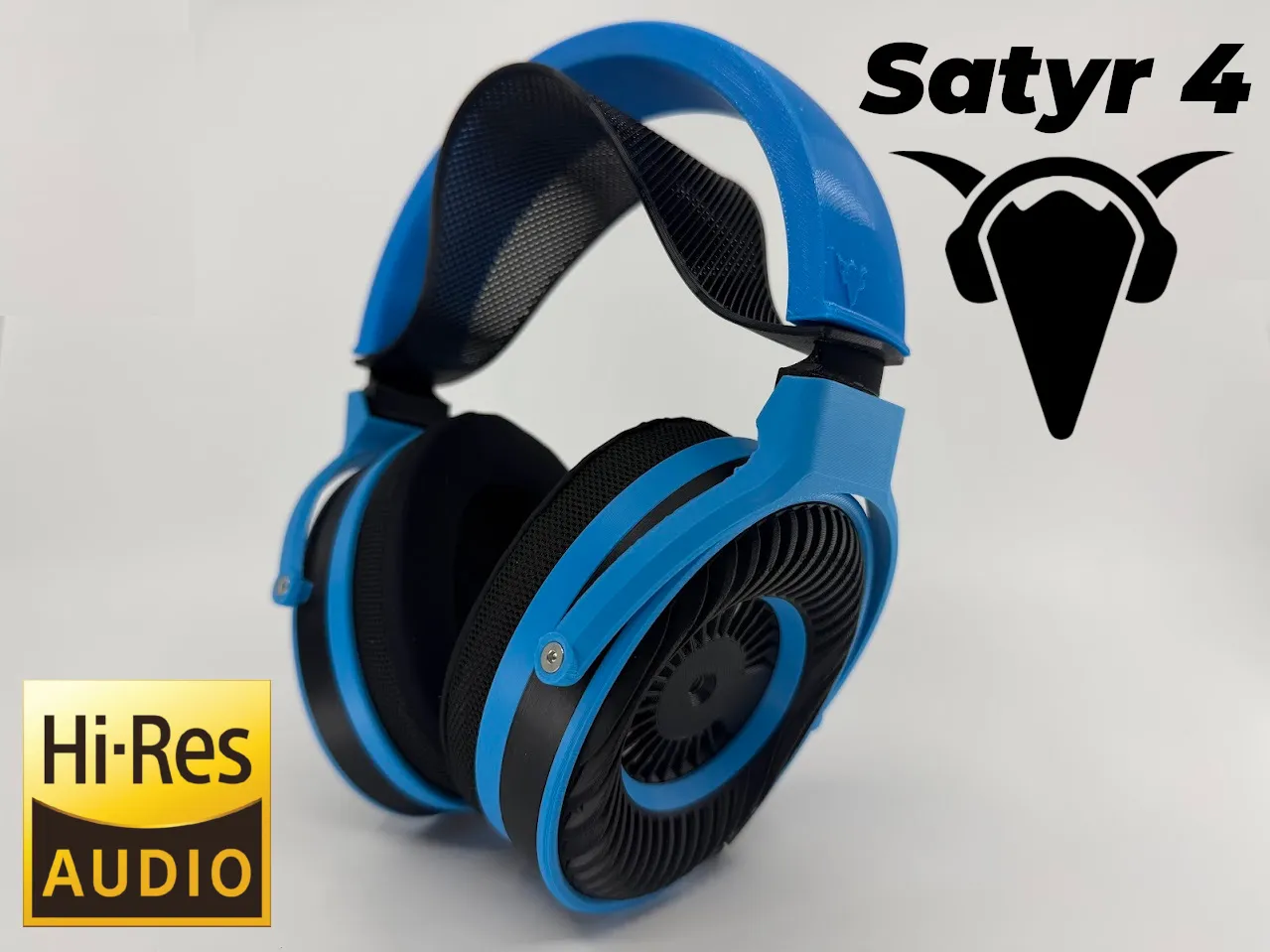
Capra Audio Satyr4
I’ve known Capra for years and, likely to his chagrin, I haven’t been shy about when I think his headphones aren’t good enough. Satyr4 is the 4th in his Satyr line, and to be perfectly blunt, I didn’t like Satyr or Satyr 2, while Satyr3 was positively surprising but still left a lot to be desired in terms of sound (and I told him as much).
Satyr4 is one of the most reasonable sounding, comfortable headphones I heard at the show, but it also might be one of the least-compromised, best headphones I’ve heard period. I think this lineup is at the point where Capra needs to seriously consider taking this thing to a proper production line, because this is a headphone I think a lot of people will want to buy.
First off, the comfort is excellent. It has his famous Capra Strap which means top of head comfort is basically unimpeachable, but the ear comfort is actually great too. It uses HD 600-series shaped pads, but has a notably deeper ear opening which means the ear comfort is also fantastic.
But the sound is also no slouch. It’s a moderately bass-forward/warm tuning, with a slight textural push in the center mids, a slight relaxation in the ear gain around 3 kHz, and a safe, eminently-listenable treble response. Basically everything I ran through it just sounded normal, if a bit softened and relaxed.
To be clear, this is way better than the litany of issues most headphones have in the midrange and treble; this is like a mix between Focal and Sennheiser, but with smoother treble than either of them.
While I would still opt for a slightly different ear-gain shape (less 1 kHz, more 3 kHz), I can’t help but appreciate the balance Capra has struck here. A friend of mine offered to make one for me—the Satyr lineup cannot be purchased from Capra, you have to assemble it yourself or buy it from a builder in Capra’s Discord server—and I’m actually quite excited to get it.
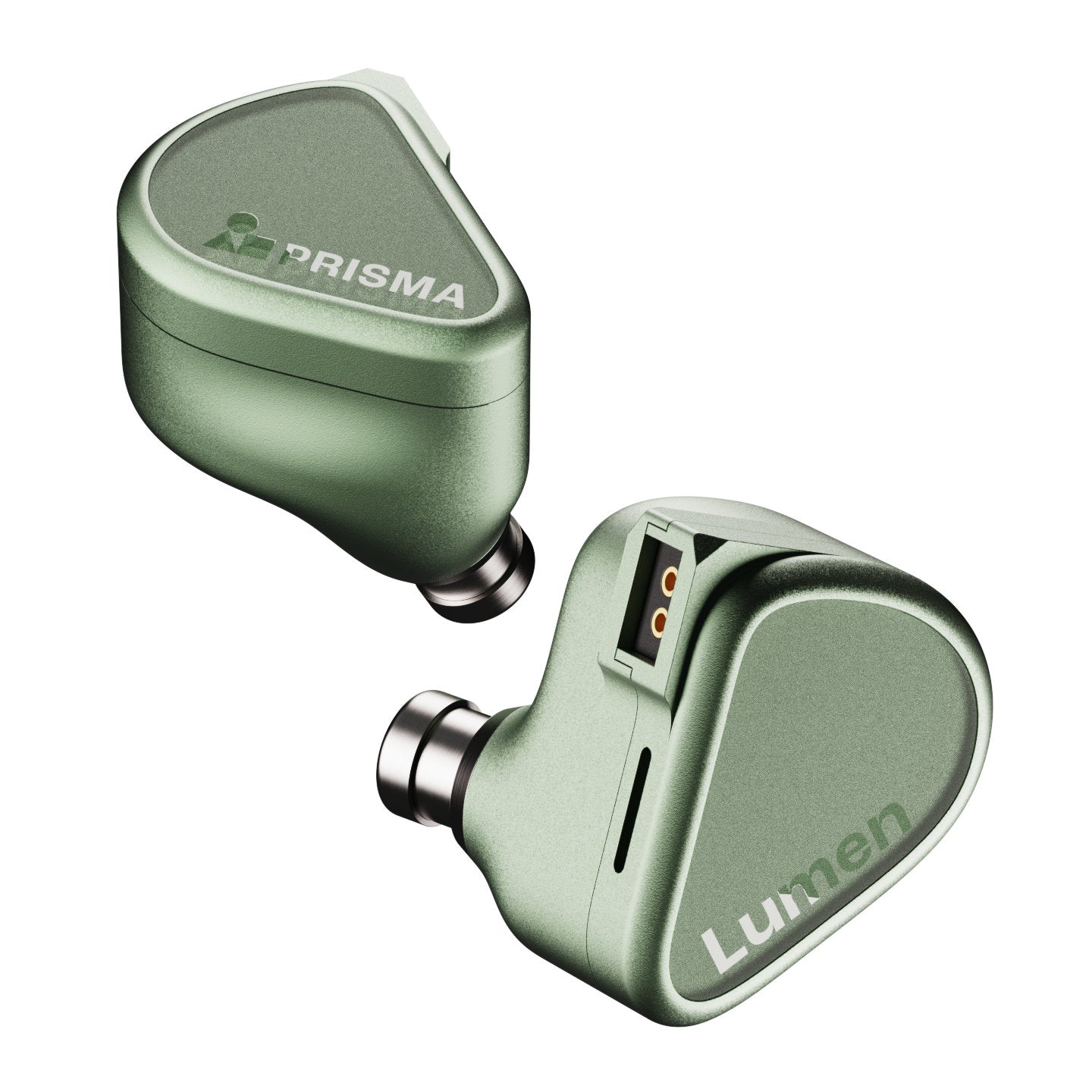
Prisma Lumen and Lux
Now for those who aren’t aware, I’ve actually had demo units of the Lumen and Lux with me since December, but I finally got to hear a second, production-round unit of each and… yeah, my opinion hasn’t changed. Lux is probably still going to be my go-to V-shape recommendation when it comes to the balance between midrange accuracy and “technicalities” like “dynamics,” “space,” and “detail,” because I do really think it offers the best balance of those things while minimizing the compromises regarding frequency response tuning. It blends dynamic immediacy with spatial separation in a way that feels close to ideal for the person who cares about that stuff, while sounding, looking, and feeling like an IEM that’s actually worth more than the asking price.
And Lumen… well, its my favorite IEM of all time and it’s not close. Effortlessly natural from top to bottom with a handsome, yet small green aluminum shell is basically what I would’ve programmed into a computer as my ideal IEM if given the chance. The fact that it tangibly exists in the real world is something I’m incredibly grateful for. Any complaints I have about it—it has a hair more bass than my preference, for example—are so minor that I still feel comfortable giving it the title of “Most Well-Rounded IEM That Currently Exists”
Though of course, that’s just me. The people who came to the show that I expected to favor Lux or CrinEar Reference did indeed favor Lux or CrinEar Reference, which makes me glad those other options exist. But if you’re like me and you want a warm-neutral reference listen with excellent ergonomics and a well-considered design, Lumen was the best IEM at the show, and is probably the best IEM in the world right now…
…but that’s just my opinion.

For all the gear impressions, discussions about the market or the science, or the (amazing!) food, the reality is that the best part of CanJam is still the people.
The gear might bring us into the room, but the community is what keeps me coming to shows like these. The shared curiosity, the debates about tuning philosophies, and the generosity with which people approach you wanting to become your friend, is the best thing about the audiophile space.
So I hope to see all of you again next year at NYC. Hopefully I can make it to SoCal this year too, but we’ll have to see.