
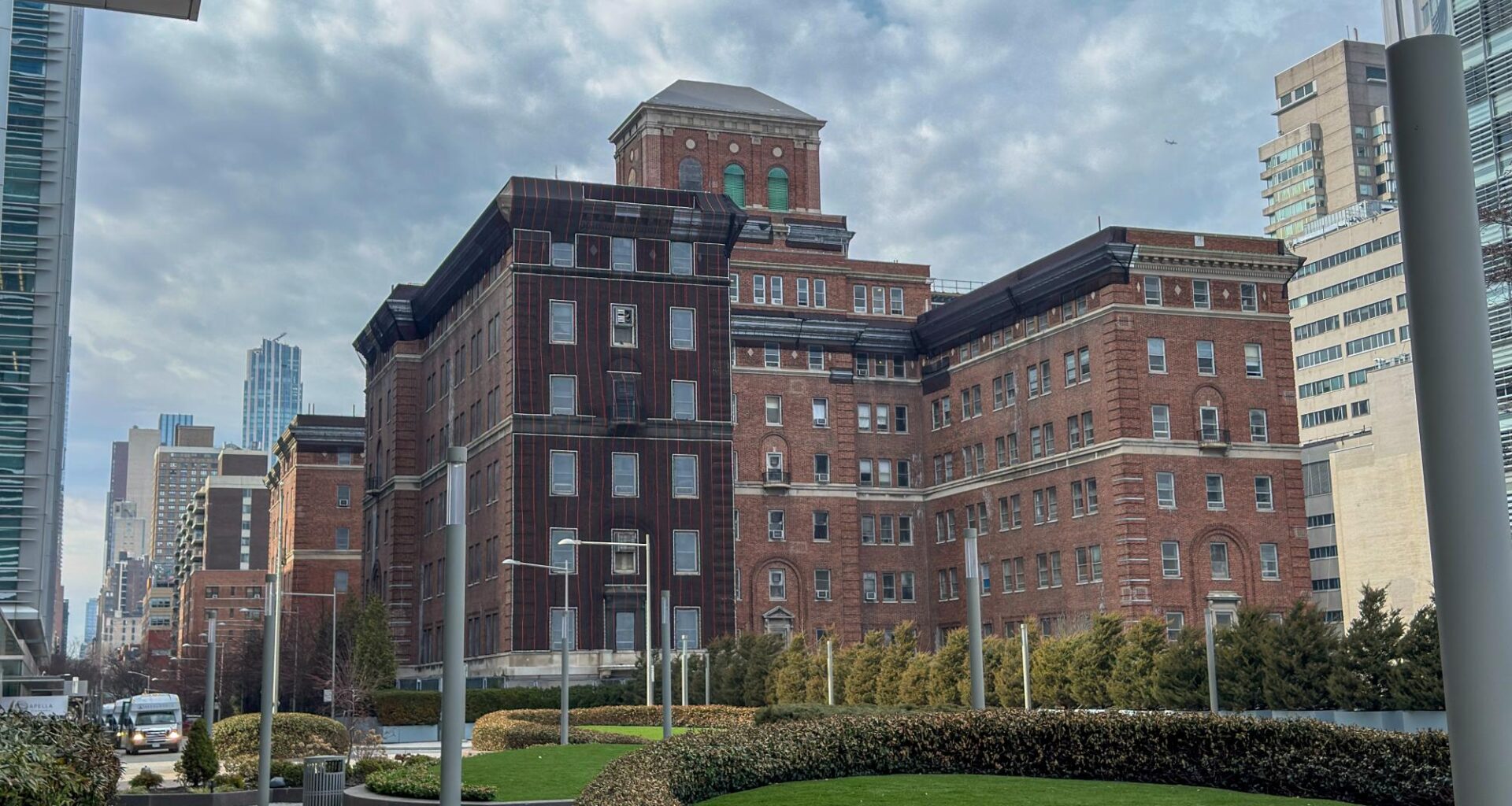
The Mamdani administration is bringing rapid change to homeless services in the city with its latest plans to shut down Manhattan’s Bellevue shelter on 30th Street, the main intake location for men and adult families by the end of April.
An intake facility like Bellevue is meant to provide shelter to residents temporarily while the city finds a permanent placement.
The administration said that intake for homeless men would be relocated to 8 E. 3rd St., while intake for adult families will move to 333 Bowery St. beginning May 1.
The Bellevue building was built in 1931 and is in a severe state of disrepair, according to the administration.
Past reports have shown that the building has multiple fire safety and code violations, including asbestos, collapsing ceilings and faulty elevators.
These conditions led to parts of the building becoming uninhabitable, drastically reducing the maximum capacity of 850 beds, with the Mamdani administration citing safety concerns as the reason for the closure.
According to an employee, staff at the facility did not receive official word regarding the closure beforehand, leaving their future uncertain.
Several residents also learned from word-of-mouth or transfer notices they were given to sign, informing them of their new shelter location.
In a joint statement, the Coalition for the Homeless and The Legal Aid Society raised concerns over adding additional hardship to those already experiencing homelessness.
“For decades, the 30th Street facility has served as the primary intake center for adult men and adult families across all five boroughs,” the statement said. “Any disruption to this critical front door to shelter — especially on short notice — risks creating confusion.”
In a statement, the mayor’s office mentioned ways it plans to address the issue.
The NYC Department of Homeless Services will maintain a presence on site for at least a year after the Bellevue closure.
The city will take part in a communications campaign to inform the public about the new location, as well as direct transportation available throughout the day. The city also said it will maintain the same number of available shelter beds after the closure.
Details on how these initiatives will unfold remain unclear, specifically, on how NYC Mayor Zohran Mamdani will address the high rates of homelessness in a system that provides beds to more than 85,000 people every night.
“As we move forward, our city will double down on protecting the safety, continuity and quality of services — because every New Yorker deserves a secure place to rest, to recover and to rebuild their life with dignity,” he said in a statement.