
New York City might soon have the highest minimum wage in the United States, if a newly introduced City Council bill has its way.
The proposal, introduced this month, would gradually raise the city’s minimum hourly wage from the current $17 to $30 an hour, creating the most ambitious wage floor ever attempted by a major U.S. city. Under the plan, large employers with more than 500 workers would reach the $30 threshold by 2030; smaller businesses would get until 2032 to comply.
The legislation, which is known as the New York City Minimum Wage Act, lays out a phased schedule. Large employers would move to $20 an hour in 2027, $23 in 2028, $26 in 2029 and finally $30 in 2030. Smaller businesses would follow a slightly slower path, topping out at $29 in 2031 before hitting $30 in 2032.
If enacted, the measure would move New York well ahead of other high-wage cities. Seattle currently has one of the highest minimum wages in the country at just over $21 an hour and Los Angeles recently approved a plan to raise pay to $30 for hotel and airport workers by 2028.
Supporters say the proposal reflects the harsh reality of living costs in New York. City Council findings note that a living wage in the metro area is already well above the current minimum wage, with estimates suggesting a single adult needs far more than $17 an hour to cover basic expenses like rent, transportation and food.
Research from the Economic Policy Institute suggests the change could affect a huge share of the workforce. Without a policy shift, roughly 1.68 million workers—about 36.7% of the city’s wage earners—are projected to make less than $30 an hour by 2030, meaning many would see pay increases under the proposal. For many workers, the idea of a $30 minimum wage feels less radical than it sounds. Some advocates argue that even that level may still fall short of a true living wage in New York’s most expensive boroughs.
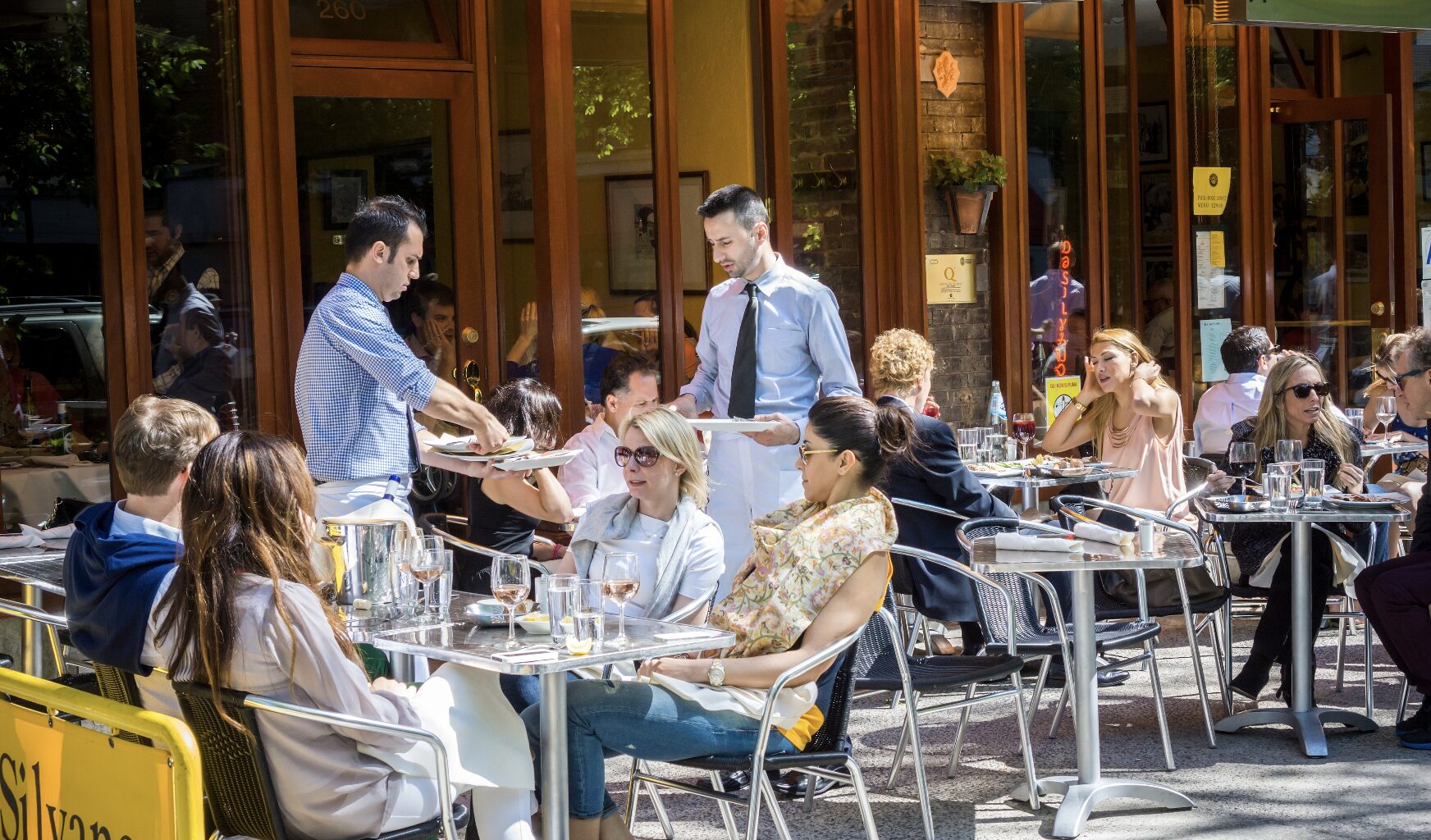
But the proposal is already drawing pushback from some business owners who worry about rising payroll costs on top of steep rents, insurance premiums and utility bills. Restaurant operators that the Wall Street Journal spoke to warned that higher wages could translate into higher menu prices, reduced hours or fewer staff members.
The bill’s future remains uncertain, though. One major hurdle is legal, since New York State currently sets the minimum wage and state law doesn’t clearly give the city authority to establish its own higher wage floor.
For now, the proposal has been referred to the City Council’s Committee on Consumer and Worker Protection, where it will face hearings, debate and likely plenty of passionate opinions on both sides of the paycheck.