March 17, 2026, 5:00 p.m. ET
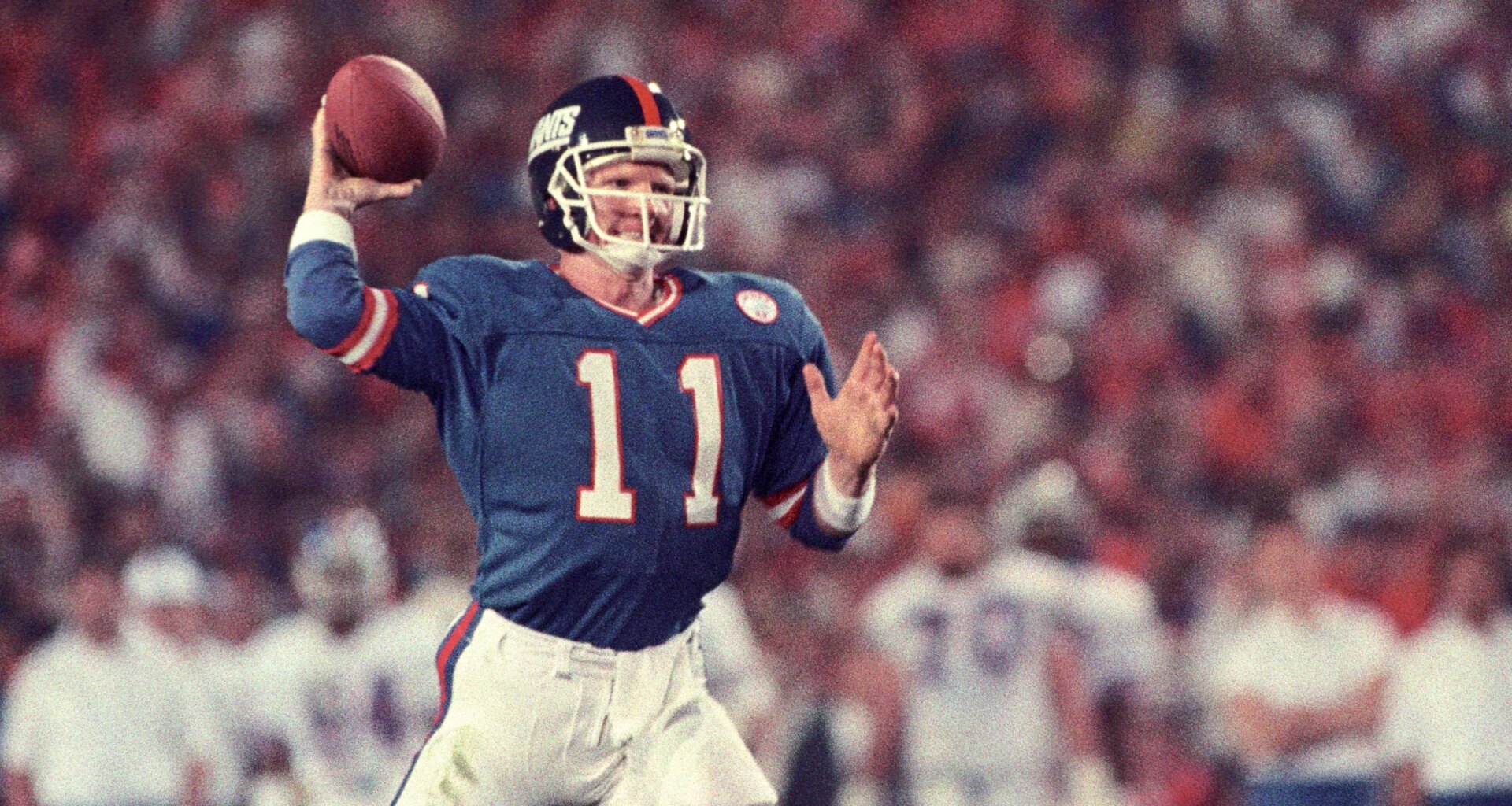
Moving along in our decade-by-decade look at the New York Giants‘ draft history, the franchise’s most important first-round pick of the 1970s is without question quarterback Phil Simms.
The Giants selected Simms with the seventh overall pick in the 1979 NFL draft, a choice that raised plenty of eyebrows at the time.
Simms had played his college football at Morehead State University, a small program that wasn’t exactly producing household names in the NFL. Many fans and media members in New York had barely heard of him when his name was called.
While the pick came late in the decade, and most of his success would arrive in the 1980s, Simms ultimately became one of the most important players in franchise history.
Simms joined a Giants organization that had spent much of the previous decade searching for stability, particularly at the quarterback position. His rookie season in 1979 showed flashes of promise, and he was named to the PFWA All-Rookie Team after stepping into the starting role.
Expert NFL picks: Exclusive betting insights only at USA TODAY.
Over time, Simms grew into the leader of the Giants’ offense, helping guide the team into one of the most successful periods the franchise had experienced since the 1950s.
Across 15 seasons in New York, Simms completed 2,576 passes on 4,647 attempts, finishing with a 55.4 percent completion rate. He threw for 33,462 yards and 199 touchdowns while posting a career passer rating of 78.8.
Simms’ place in Giants lore was cemented during the 1986 season.
That year, he helped lead the Giants to a Super Bowl championship, defeating the Denver Broncos in Super Bowl XXI. His performance in that game remains one of the greatest quarterback performances in Super Bowl history.
Simms completed 22 of 25 passes, an astounding 88 percent completion rate, while finishing with a 150.9 passer rating. Both marks set Super Bowl records for a quarterback with at least 14 pass attempts.
For his performance, Simms was named Super Bowl MVP.
He later helped guide the Giants to another championship in Super Bowl XXV, giving him two Super Bowl rings during his career, despite not playing in the game due to a broken foot suffered late in the season after leading the Giants to an 11-3 start.
Simms’ career included several honors that reflected both his play on the field and his impact off it.
He was selected to the Pro Bowl twice, first in 1985 and again in 1993. During his 1986 season, he earned NEA First-Team All-Pro honors and was also awarded the Jim Thorpe Trophy as the league’s Most Valuable Player.
Later in his career, Simms was recognized for his leadership and community impact when he received the NFL Man of the Year award in 1993.
The Giants have long recognized Simms’ importance to the franchise. His No. 11 jersey has been retired, ensuring that no future Giant will wear the number again. He is also honored in the Giants Ring of Honor, where the organization celebrates its most influential players.
Today, Simms is widely regarded as one of the greatest players in franchise history, often ranking among the top dozen Giants of all time.
Looking back at the 1970s drafts, the choice is clear. Even though the majority of his accomplishments came in the decade that followed, the Giants’ decision to select Phil Simms in 1979 ultimately changed the direction of the franchise.