
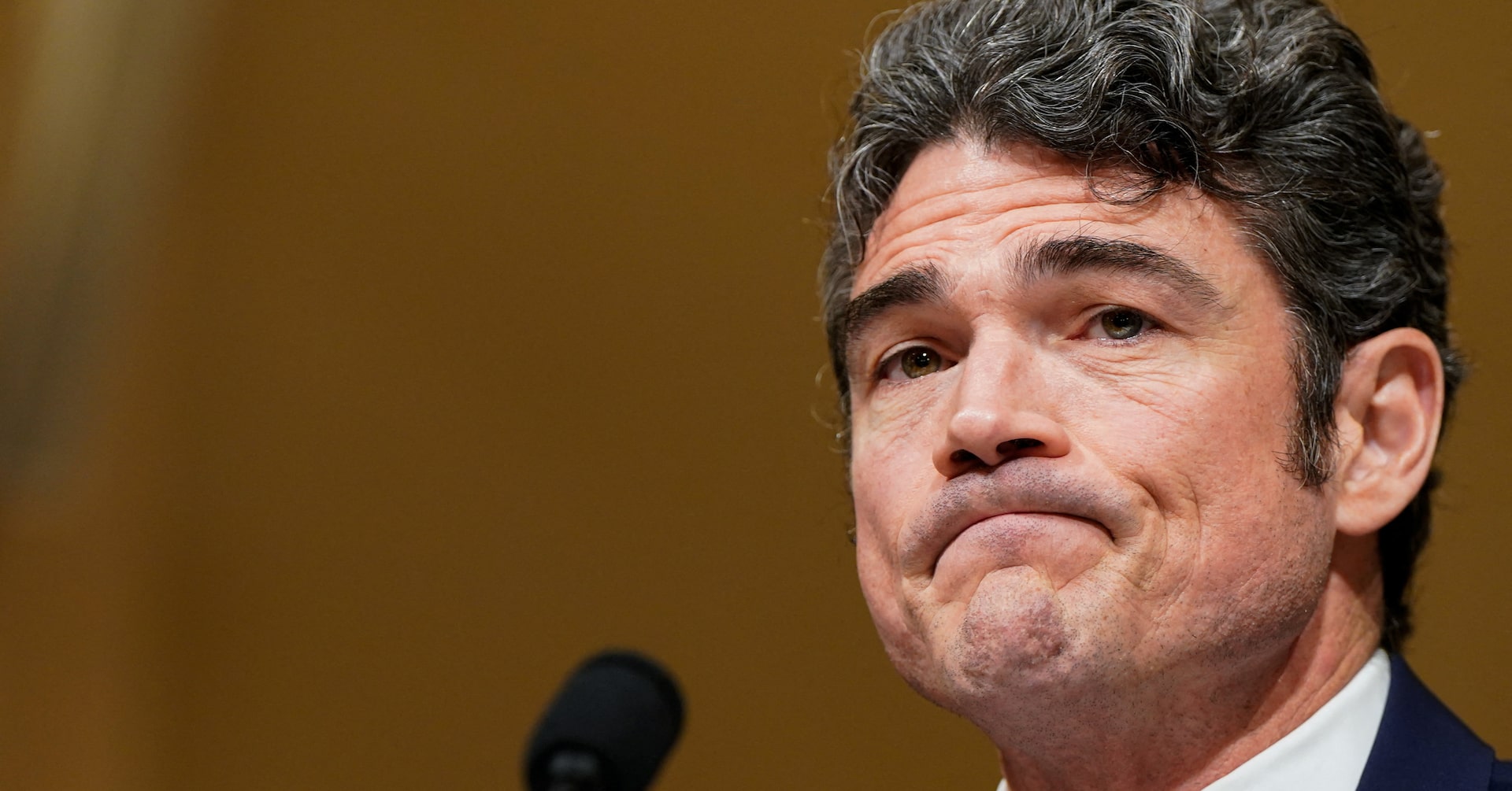
Kent has opposed military interventionsOfficial says his resignation comes as a surpriseCriticized by Democrats for far-right tiesWASHINGTON, March 17 (Reuters) – A top security official in U.S. President Donald Trump’s administration resigned over the war in Iran on Tuesday, saying the country had posed no imminent threat to the United States.
Joe Kent, who headed the National Counterterrorism Center, is the first senior official in Trump’s administration to resign over the conflict, now in its third week.
Sign up here.
“I cannot in good conscience support the ongoing war in Iran. Iran posed no imminent threat to our nation, and it is clear that we started this war due to pressure from Israel and its powerful American lobby,” Kent wrote in a letter posted to social media.
Some experts have said an imminent threat would be required for the United States to launch a war under the international law of war.
Kent’s letter to Trump included “false claims,” said White House spokeswoman Karoline Leavitt in a statement.
“As President Trump has clearly and explicitly stated, he had strong and compelling evidence that Iran was going to attack the United States first,” said Leavitt. “This evidence was compiled from many sources and factors.”
Kent did not respond to requests for comment and the Office of the Director of National Intelligence, which oversees the counterterrorism center, also did not immediately respond.
KENT KNOWN FOR OPPOSING MILITARY INTERVENTIONS
Kent has long been known for his “America First” beliefs and has said he opposes U.S. military interventions abroad.
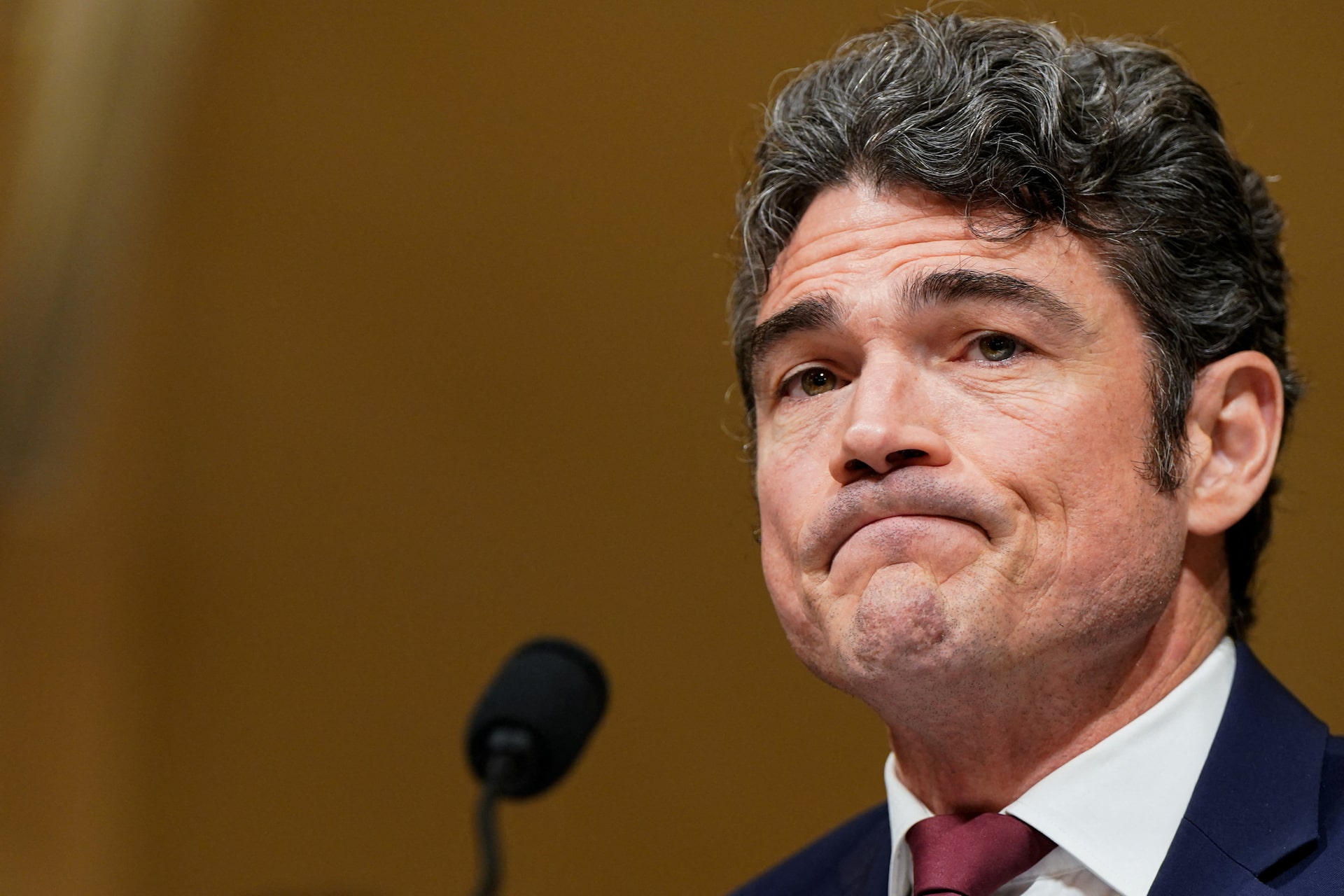 National Counterterrorism Center Director Joseph Kent attends a House Homeland Security hearing entitled “Worldwide Threats to the Homeland,” on Capitol Hill in Washington, D.C., U.S. December… Purchase Licensing Rights, opens new tab Read more
Still, the announcement came as a surprise, one U.S. official said.
Kent is close with Director of National Intelligence Tulsi Gabbard, who has kept a low profile since the Iran war began.
“After carefully reviewing all the information before him, President Trump concluded that the terrorist Islamist regime in Iran posed an imminent threat and he took action based on that conclusion,” Gabbard said on social media on Tuesday.
The National Intelligence Council, which is overseen by Gabbard’s office, issued several assessments both before and after the U.S. strikes began that highlighted the risks of U.S. intervention.
Those reports indicated the Iranian government was unlikely to collapse and Iran would likely retaliate against U.S. outposts in the region and Gulf allies, as Reuters previously reported.
Kent has been criticized by Democrats for his associations with far-right figures. Media reports have linked Kent to self-avowed white nationalist Nick Fuentes. Kent has since denounced Fuentes’ views.
Senator Mark Warner of Virginia, the top Democrat on the Intelligence Committee, has said he should never have been confirmed to head the counterterrorism office.
“But on this point, he is right: There was no credible evidence of an imminent threat from Iran that would justify rushing the United States into another war of choice,” Warner said in a statement.
Last year, Kent pushed intelligence analysts, opens new tab to rework an assessment on Tren De Aragua, a Venezuelan gang, that did not support the White House’s argument that Venezuelan President Nicolas Maduro was directing its operations. The administration had portrayed the gang as a security threat to justify its immigration crackdown.
(This story has been corrected to add the word ‘American’ to the quote in paragraph 3)
Reporting by Katharine Jackson, Susan Heavey, Phil Stewart, Erin Banco, Idrees Ali and Jarrett Renshaw, editing by Andy Sullivan, Michelle Nichols, Rod Nickel and Don Durfee
Our Standards: The Thomson Reuters Trust Principles., opens new tab

