
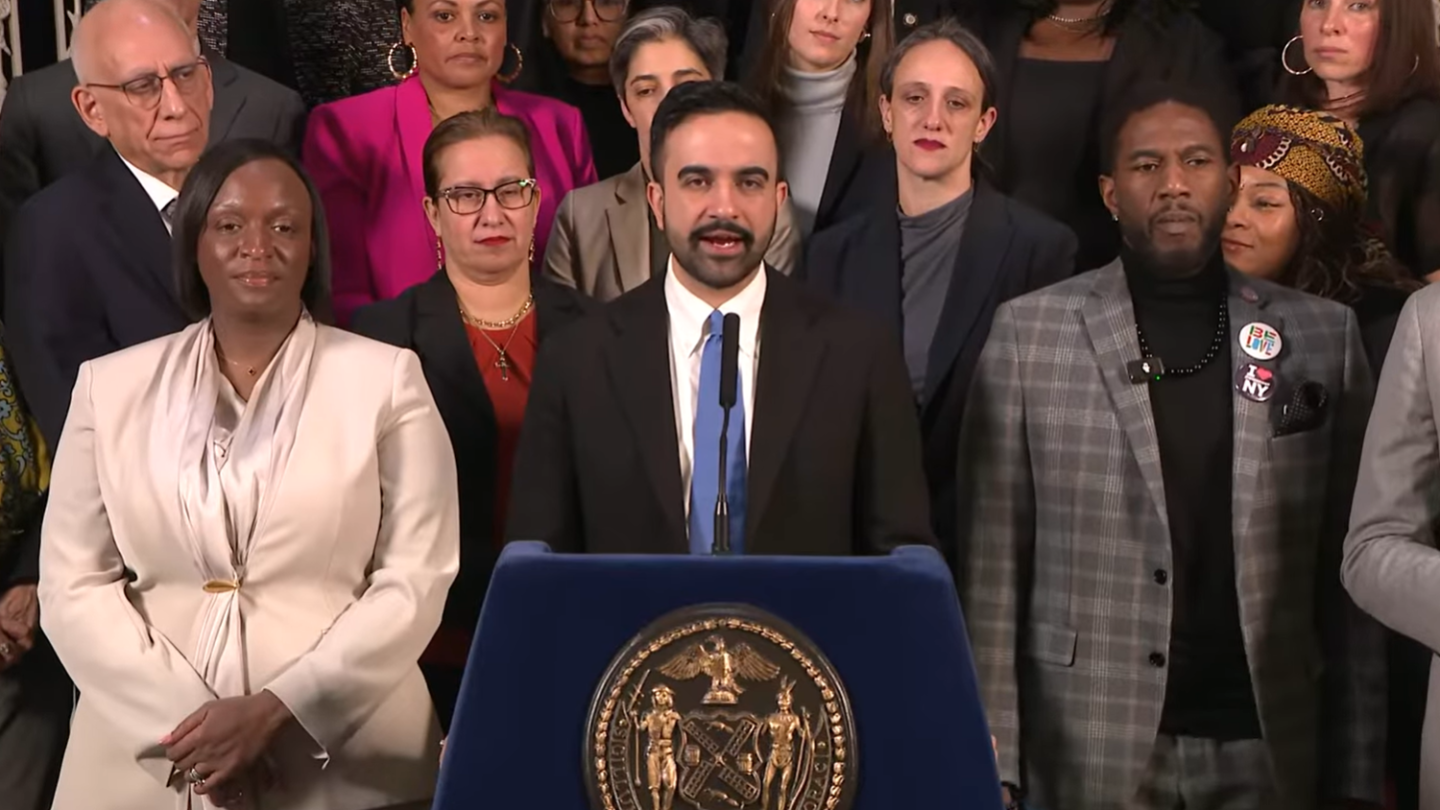
NEW YORK — Mayor Zohran Mamdani took a formal step toward reshaping how New York City handles public safety, creating a new Office of Community Safety that he says will help reduce the city’s reliance on police for some mental health and crisis-related calls.
Mamdani signed an executive order on March 19 to create the Office of Community Safety and appointed Renita Francois as deputy mayor of community safety.
The new office is designed as the first step toward a broader Department of Community Safety, a campaign promise Mamdani says will take a “whole-of-government” approach to crime prevention — one that places greater emphasis on mental health response, violence prevention and social services.
| RELATED: What NYC Mayor Mamdani’s public safety agenda could mean for NYPD
“For too long, we have approached crime and safety by placing only ever-expanding expectations on the police department,” Mamdani said during a press conference announcing the initiative. “We have asked them to address every failure of our social safety net.”
What the new office will do
The Office of Community Safety will consolidate several existing city functions under one umbrella, including:
Crime victim servicesGun violence preventionDomestic and gender-based violence preventionHate crime preventionCommunity mental health programs
It will also coordinate crisis response efforts, including the city’s B-HEARD program — a civilian-led response model for certain mental health calls.
Mamdani outlined three main divisions within the office:
Neighborhood safety, focused on violence prevention and victim supportCommunity mental health, overseeing crisis response and long-term care strategiesStrategic initiatives aimed at developing new public health-based safety approaches
The office will be led by a commissioner reporting to Francois, who will oversee citywide strategy and coordination across agencies.
Potential impact on NYPD response
While the mayor did not provide specific numbers on how many calls could shift away from police, he pointed to the scale of non-criminal incidents currently handled by officers — including roughly 200,000 mental health-related calls annually.
He said the goal is to expand alternatives so that “their only option is not simply a police response.”
Programs like B-HEARD already triage certain 911 calls to civilian teams, but Mamdani said those efforts have been “underfunded and under supported.” The new structure is intended to expand capacity and allow more calls to be diverted when appropriate.
At the same time, the administration is framing the shift as a way to refocus police work — not eliminate it.
“Keeping New Yorkers safe requires more than one approach,” NYPD Commissioner Jessica Tisch said in a statement. “It means making sure people have access to the resources and services they need … while our officers remain focused on the work they are trained to do.”
A phased approach
City officials emphasized that the March 19 announcement is only the beginning.
The Office of Community Safety will first conduct an assessment of existing programs and identify which initiatives can be expanded. Plans for staffing, budget and operational scope — including how many calls could ultimately be handled outside of police — were not revealed.
“This is the start,” Mamdani said. “New Yorkers cannot afford to wait for city government to finally take seriously these kinds of crises.”
Francois, who previously led the Mayor’s Action Plan for Neighborhood Safety under Mayor Bill de Blasio, said the effort will focus on coordination and long-term investment.
“We have a ton of expertise, programs and resources,” she said. “Our responsibility is to take these disparate programs and create a cohesive strategy.”
Broader shift in public safety strategy
The administration is positioning the new office as part of a broader shift toward addressing what officials describe as the root causes of crime — including poverty, mental health challenges and lack of access to services.
Mamdani said the current system relies too heavily on a “patchwork of programs” and places unrealistic demands on police.
“We must instead pursue a whole-of-government model. One where our strategies are centralized and implemented with coordination and at scale and one which a deputy mayor oversee,” he said.
Is shifting some crisis-response duties away from police a smart move — or a risk to public safety?
Nicole Mehringer alleged the LAPD held her to a stricter standard after an alcohol-related arrest, while male officers in similar situations kept their jobs or retired without discipline
March 19, 2026 12:00 PM
·
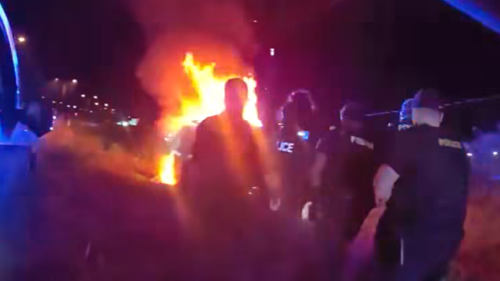
The suspect shot and wounded South Daytona Police Officer Jake Fessenden before climbing into his cruiser; the cruiser then caught fire with the suspect inside
March 18, 2026 11:18 AM
·
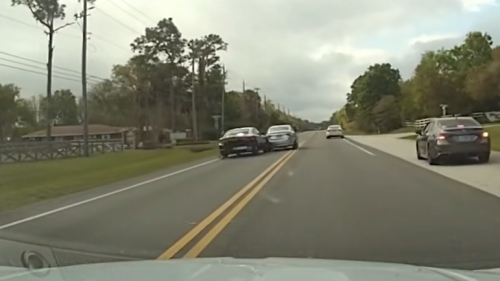
The man, who was on inmate release status at the time of the incident, wove through traffic and fled at high speeds before ultimately surrendering to Flagler County officers
The Baltimore County PD reached a 95% clearance rate in 2025, and homicides were cut nearly in half since 2021, Chief Robert McCullough said

The partnership will allow analysts to quickly transform vast volumes of multilingual open-source data into structured intelligence work products