
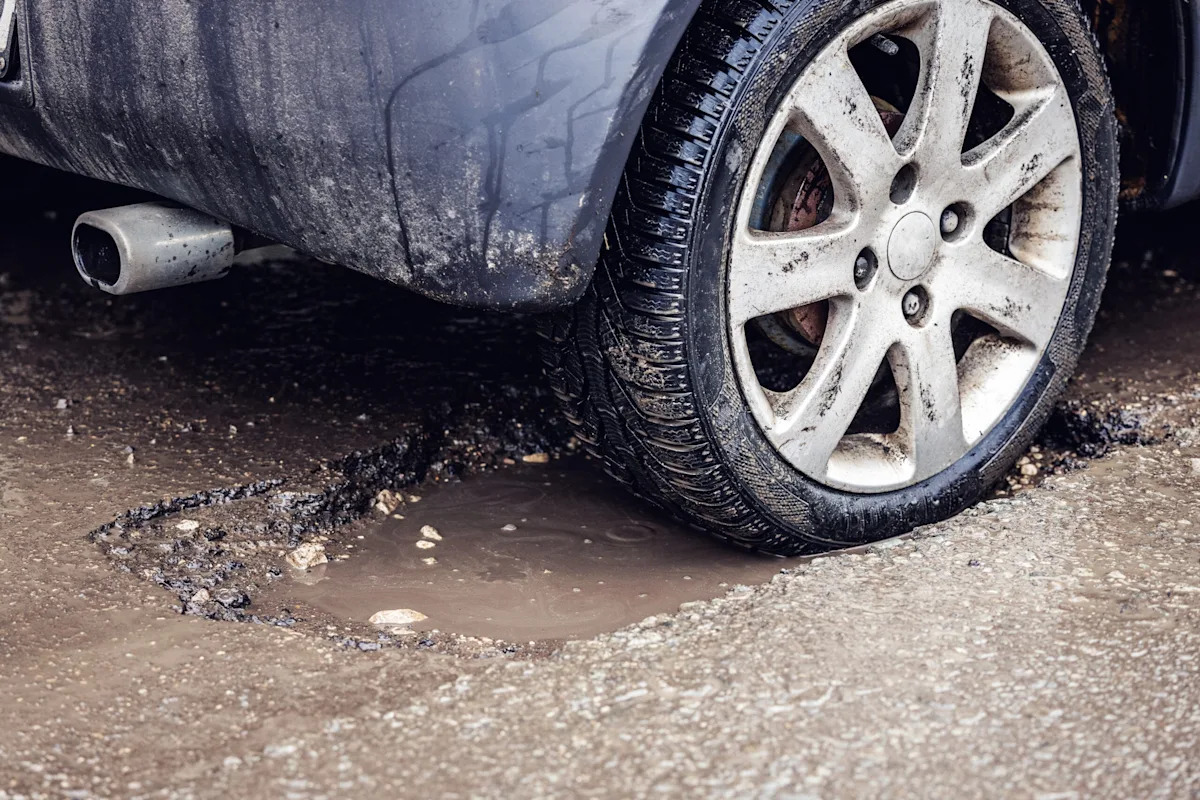
There are two kinds of people in New York City: those who have hit the pothole on the Belt Parkway near Exit 9A, and those who are about to.
For most drivers, that gaping crater in the pavement is a nightmare — a tire-swallowing, alignment-destroying, wallet-emptying ambush hiding in plain sight. But for 23-year-old Javier Yat, owner of Jas Mobile Tire out of Brooklyn, that pothole is practically a business partner.
An unpaid one, sure, but reliable as clockwork.
How Much Does One Pothole Really Cost??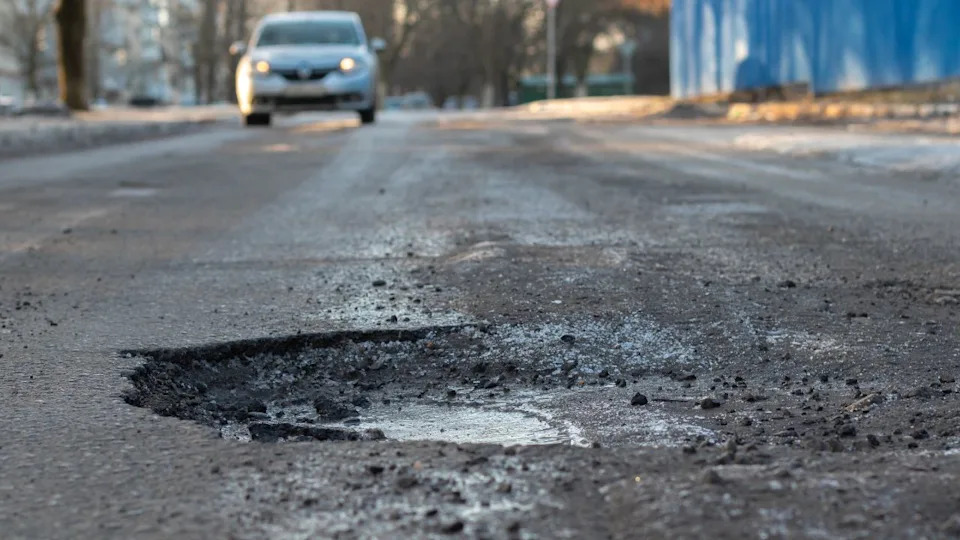
Image Credit: Shutterstock.
Yat estimates the single hole rescues him roughly 80 customers a year — around 15 to 20 drivers every few months — all of them stalled on the side of the parkway, bewildered, and desperately Googling “tire guy near me.” That’s when Javier shows up, van loaded with up to 10 tires, ready to save the day at rates between $150 and $300 a pop depending on tire size. Do the math and that’s roughly $2,200 in a single pothole-fueled windfall, with about $1,500 going back into the business after costs.
The hole itself, by Yat’s description, runs about 12 inches deep — which, for context, is roughly the depth of a decent soup pot. Except instead of minestrone, it’s full of crushed dreams and blown-out rubber.
The sneakiest part? It shape-shifts. After rain or snow, the city’s ongoing patch jobs get washed away, and the crater reappears like a bad sequel nobody asked for. “You never know when it’s gonna be open,” Yat told the Daily Mail. And since most of his distressed customers call him at night — when the hole is basically invisible — he’s essentially running a nocturnal rescue operation for people who learned the hard way that confidence and speed don’t mix well with mystery potholes.
Now, we’re not here to drag car enthusiasts specifically — but if you’re the type who lowered your ride two inches for “the aesthetic” and then decided to cruise the Belt Parkway after a rainstorm… Javier would like a word. And your credit card number.
“I Enjoy Helping People”
When he runs out of stock mid-rescue, Yat calls in backup: his older brother Emilio, 25, who co-runs the shop and apparently doubles as a tire delivery service. The two brothers, who grew up in Guatemala and learned their trade from their father before building the business in the U.S., operate a schedule that would exhaust most people — the shop runs from 7 a.m. to midnight, and then Javier hops in his van to handle late-night roadside calls.
The business itself is still young — it started as a mobile operation about two years ago before they opened a brick-and-mortar shop eight months back — and every dollar made off Belt Parkway casualties gets reinvested. “I usually use it to buy the tires again,” Yat explained. “Sometimes I don’t have one size. So when I make a little bit of money, I try to buy tires for trucks.”
Despite the grind, Yat isn’t bitter about any of it. “I enjoy helping people,” he said. “I just try to keep the best price I can for everybody.”
As for the pothole? The city will probably patch it again soon. And the rain will probably wash that patch away again soon after. And somewhere on the Belt Parkway, a driver will feel that sickening thud, pull over, and dial Javier Yat — who will answer, because he always does.
New York City may not fix its roads. But at least it’s creating entrepreneurs.