
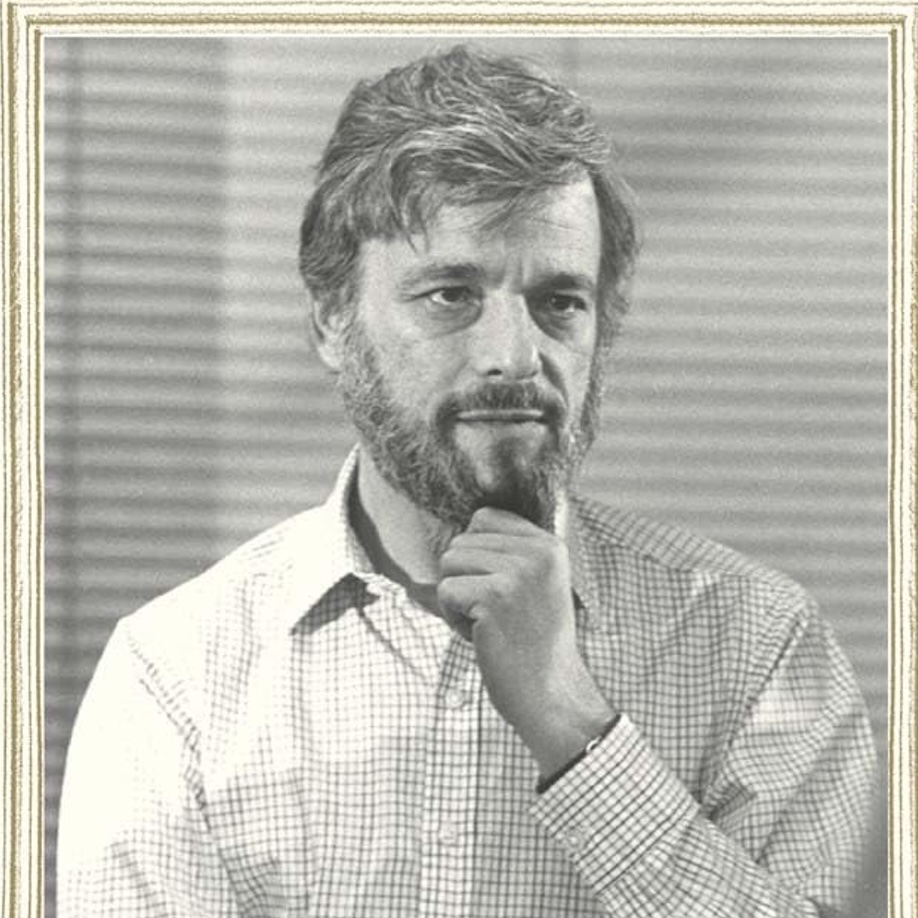
Stephen Sondheim, who would have turned 96 years old today, was known as a genius to his schoolmates and an alcoholic to his collaborators; he was charming but a slob; he loved Lee Remick but late in life married Jeff Romley, 50 years his junior. He denied that any of the musicals he created (except Merrily We Roll Along) were at all autobiographical, but Judy Prince, Hal Prince’s wife and Sondheim’s most intimate friend and artistic muse, thought otherwise. She told him that “Sweeney Todd: The Demon Barber of Fleet Street” was actually “the story of your life.”
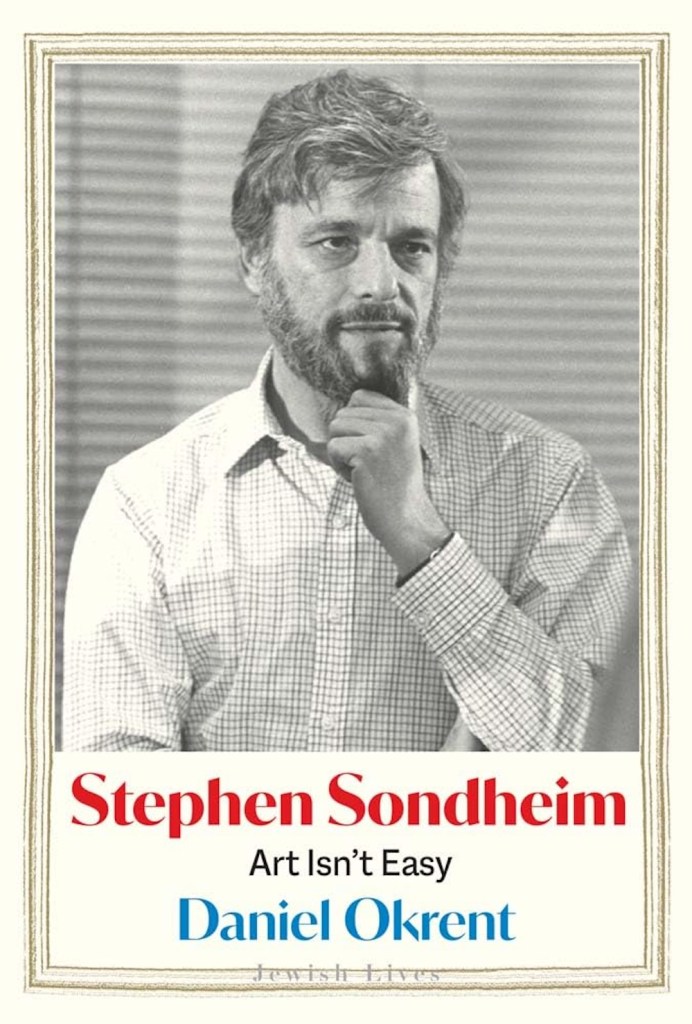
These are some of the more unfamiliar details about the musical theater composer and lyricist’s “textured, contradictory, troubling, and gratifying life” in “Stephen Sondheim: Art Isn’t Easy (Yale University Press, 320 pages), Daniel Okrent’s newly published biography. Okrent. best-known as the first public editor at the New York Times and the author of books about baseball, Prohibition and eugenics, never met Sondheim, who died on November 26, 2021. But Okrent spent three years reading millions of words, listening to fifty hours of interviews that Sondheim gave to his 1998 biographer Meryle Secrest, and interviewing more than thirty of Sondheim’s friends, as Okrent tells us in what he calls “A Prologue in the Form of an Author’s Note.” The relatively slender result is largely well-trod territory, which, given the author’s straightforward prose and lack of pretension, I was happy to visit once again, in celebration of Sondheim’s birthday.
Because Okrent’s book is part of the Yale press’s Jewish Lives series, there are a few sad pages trying to discuss the significance of his Judaism in his work. The reluctant conclusion: There isn’t much. Although most of his collaborators were Jewish, there are only four “presumably Jewish characters in all of Sondheim’s work,” which the author calls a “minor oddity,” given how common Jewish characters are in musicals by other Jewish theater artists. (We’re told that Sondheim had a completely secular childhood, no bar mitzvah, and that he attended his first seder as an adult only because Leonard Bernstein invited him, and never attended another one after Bernstein’s death.)
“Stephen Sondheim: Art Isn’t Easy,” despite what one might infer from the title (taken from a lyric in “Sunday in the Park with George”), spends relatively little time analyzing his art, much less bringing new critical understanding to it. The book is more a testament to the reverence with which the cognoscenti continue to treat Sondheim because of his body of work, rather than an effort to explain why they consider it great. At one point, Okrent writes: “Sondheim often joked ‘Want to hear a medley of my hit?’ In his entire catalogue of roughly five hundred songs, only ‘Send in the Clowns’ bears broad recognition beyond the community of musical theater enthusiasts.”
Like this:
Like Loading…
Related