
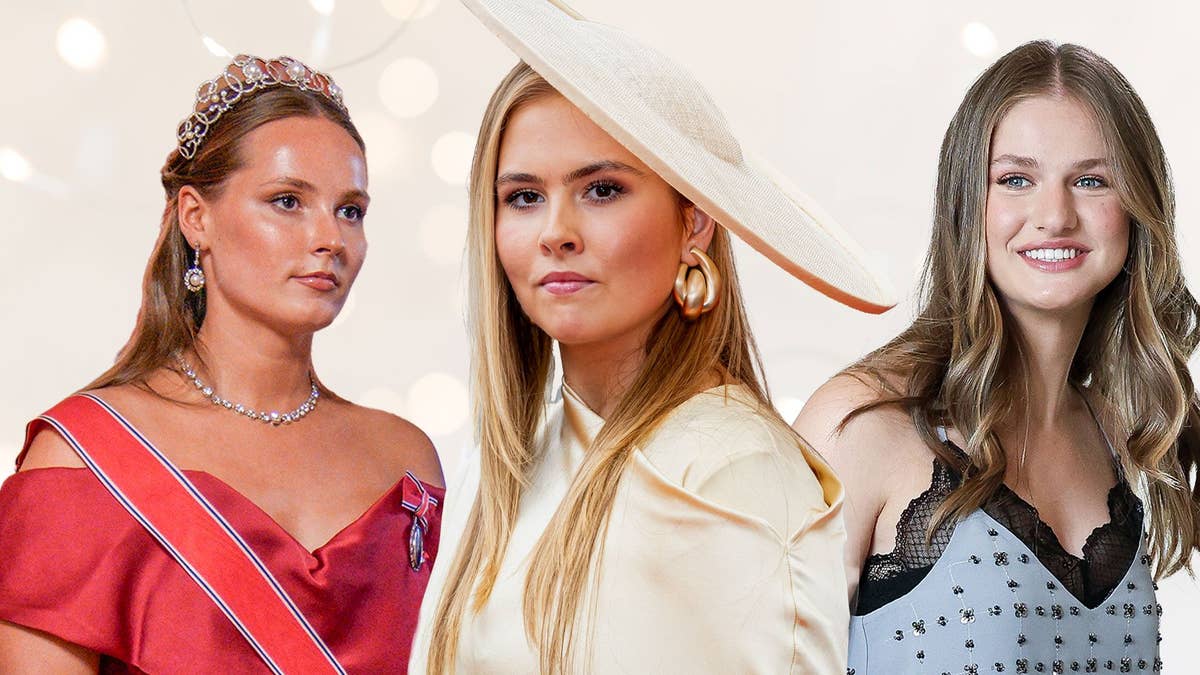
For decades, the image of a crown princess was associated with waiting, discretion, and the repetition of inherited codes. Today, however, something is changing. Princess Leonor of Spain, 20, Princess Elisabeth of Belgium, 24, Princess Catharina Amalia of the Netherlands, 22, and Princess Ingrid Alexandra of Norway, 22, are part of a generation of European heirs who are growing up in the public eye while building, step by step, their own identities.
They are young, contemporaries, born just four years apart, and are in the midst of a life transition.
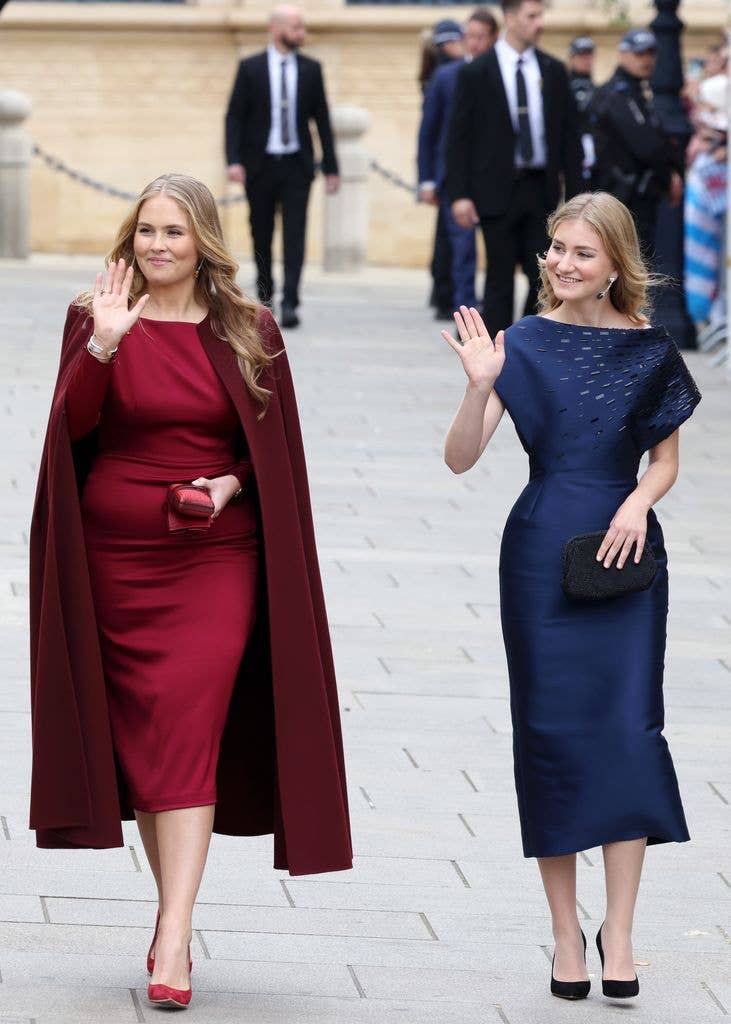 © Getty ImagesPrincess Catharina-Amalia of the Netherlands and Princess Elisabeth of Belgium are part of the next generation of royals
It is particularly revealing that, while the United Kingdom will not have a queen for at least three generations, Belgium, the Netherlands, Spain, and Sweden are moving toward a future led by women. And in this context, clothing ceases to be a superficial detail and becomes a tool for communication.
They may not be able to wear a backless dress, but they can certainly wear a tiara with centuries of history. Between the constraints of protocol and the creative freedom of the present, these young heirs are learning to dress with the power they will one day wield.
Recommended videoYou may also likeWATCH: 5 times royals recycled their outfits
Princess Catharina-Amalia of the Netherlands
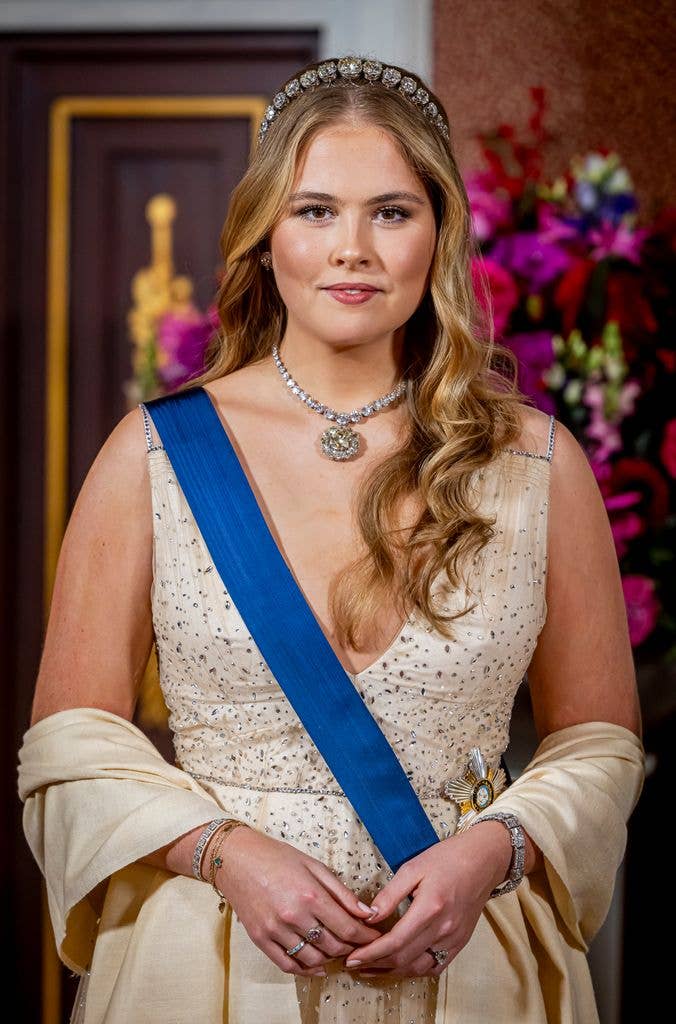 © Getty ImagesPrincess Catharina-Amalia of the Netherlands has grown up surrounded by women
Crown Princess of the Netherlands and eldest daughter of King Willem Alexander and Queen Maxima , Catharina-Amalia grew up in a monarchy with a unique historical distinction: for over a century, the throne was occupied by women. Three consecutive queens reigned between 1890 and 2013, a significant precedent that is crucial in understanding her stylistic evolution.
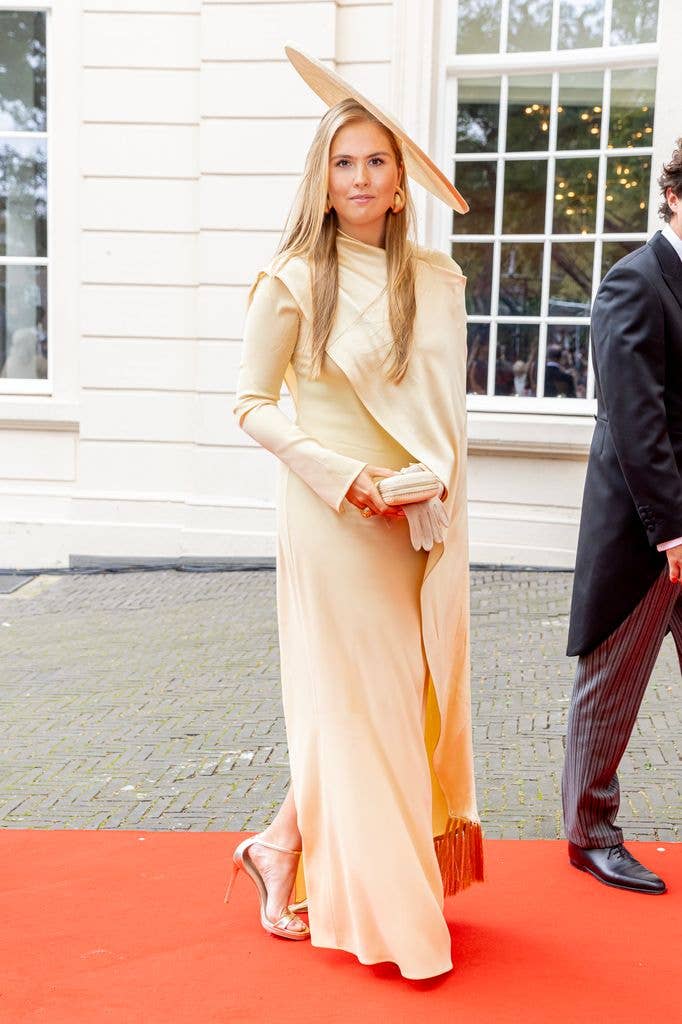 © Getty ImagesPrincess Amalia of The Netherlands during Prinsjesdag, the opening of the parliamentary year 2025
In the last year, Amalia has undergone a remarkable transformation. From a more youthful image, she has moved to a much more mature, confident, and experimental aesthetic within the bounds of protocol.
One of the key moments was Prince’s Day (Prinsjesdag) in 2025, when she surprised everyone with a long, buttery-yellow dress by the Italian label Taller Marmo. A relaxed yet structured design that broke completely with what she had worn until then and brought her closer to contemporary icons like Victoria Beckham than to more conservative British tradition.
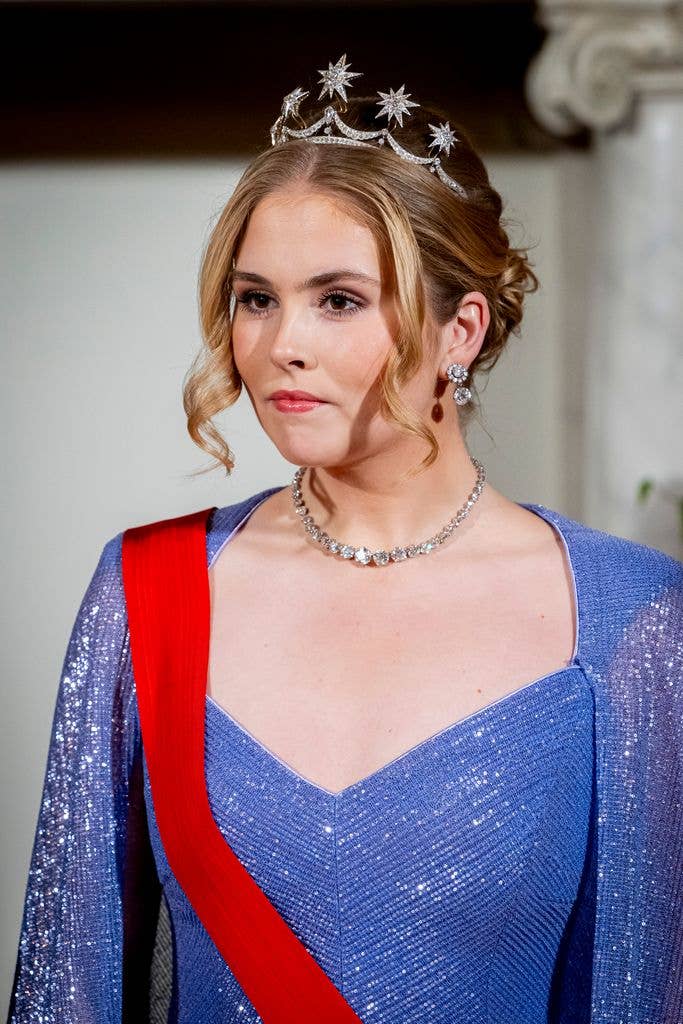 © WireImagePrincess Amalia isn’t afraid of colour
Suits have become one of her signature pieces. Historically, a symbol of male power, Amalia adopts them as a declaration of modern authority. Moreover, she isn’t afraid of colour: vermilion red, pink, green, blue, or violet. A clear inheritance from her mother, Queen Máxima, known for her colourful looks.
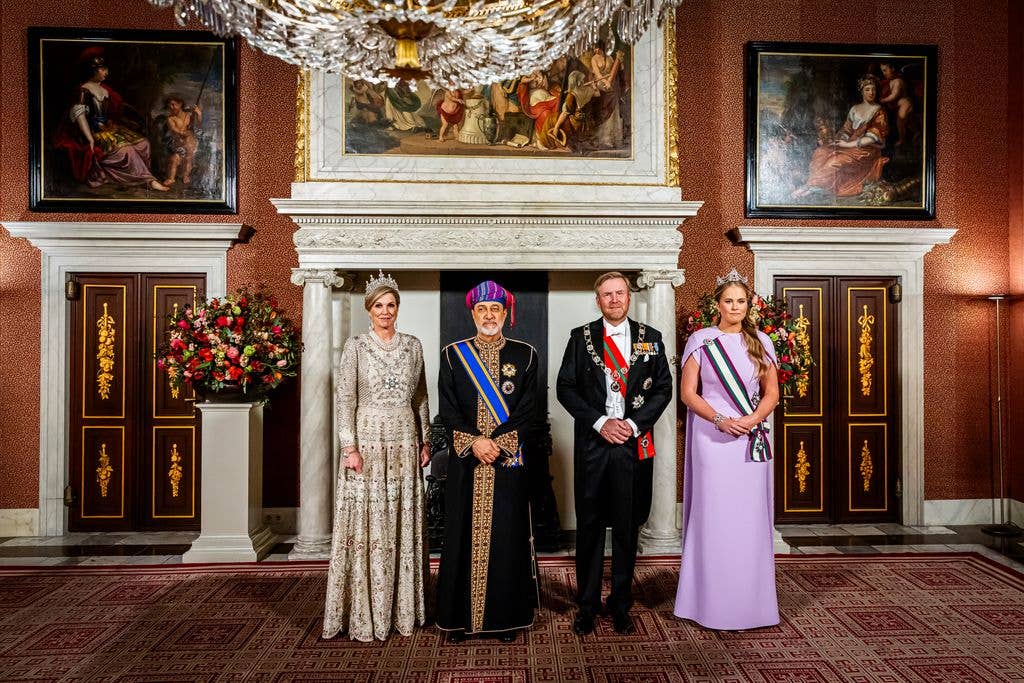 © Getty ImagesAmalia wore the ruby tiara to a state banquet with Sultan Haitham bin Tarik
Her debut wearing a tiara marks another significant milestone. The princess has worn pieces steeped in history, such as the Mellerio ruby tiara – a jewel from 1888 linked to all Dutch queens – and the Dutch Diamond Bandeau, a masterpiece that began its life as a necklace in the 19th century.
Princess Elisabeth of Belgium
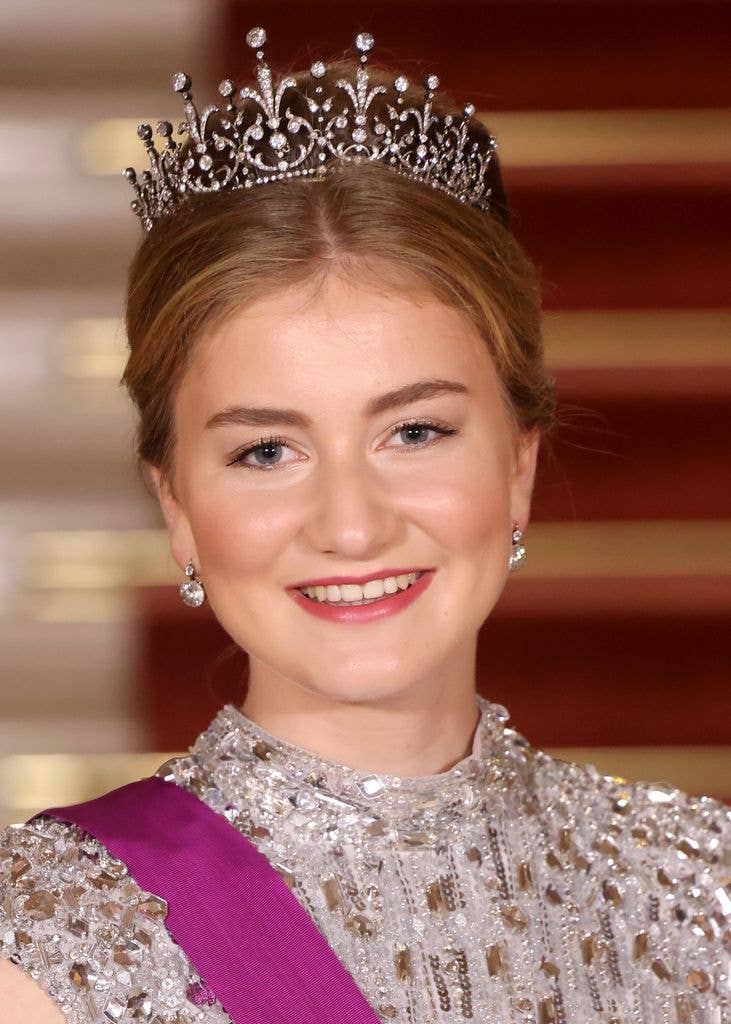 © GettyPrincess Elisabeth of Belgium is a queen in the making
At 24 years old student of a Master’s program in Public Policy at Harvard, Elisabeth of Belgium embodies a stylistic transition marked by understated elegance. The eldest daughter of King Philippe and Queen Mathilde, she will be the country’s first reigning queen thanks to the change in the succession law that allowed for female primogeniture.
“Between the constraints of protocol and the creative freedom of the present, these young heirs are learning to dress with the power they will one day wield”
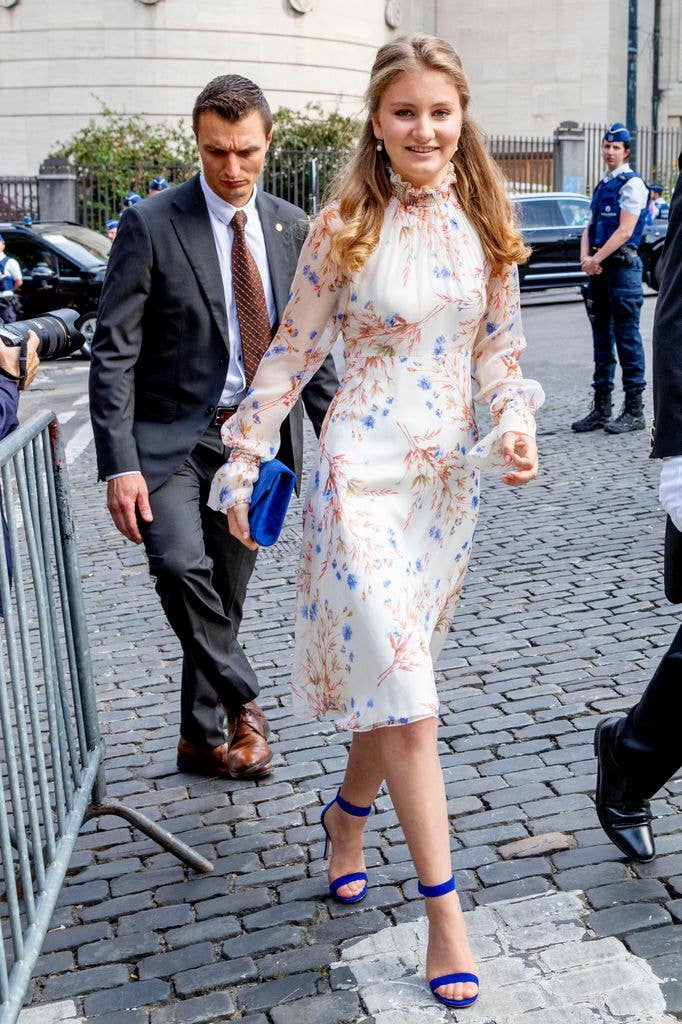 © Getty ImagesPrincess Elisabeth is stepping into her own sartorially
In her most recent public appearances, Elisabeth has moved away from a more innocent image, adopting silhouettes that evoke authority. Dresses with sharply defined waists, voluminous skirts, and structures that directly recall the Golden Age of Haute Couture. There are echoes of Dior, Chanel, and also Grace Kelly in that refined elegance that conveys order and serenity.
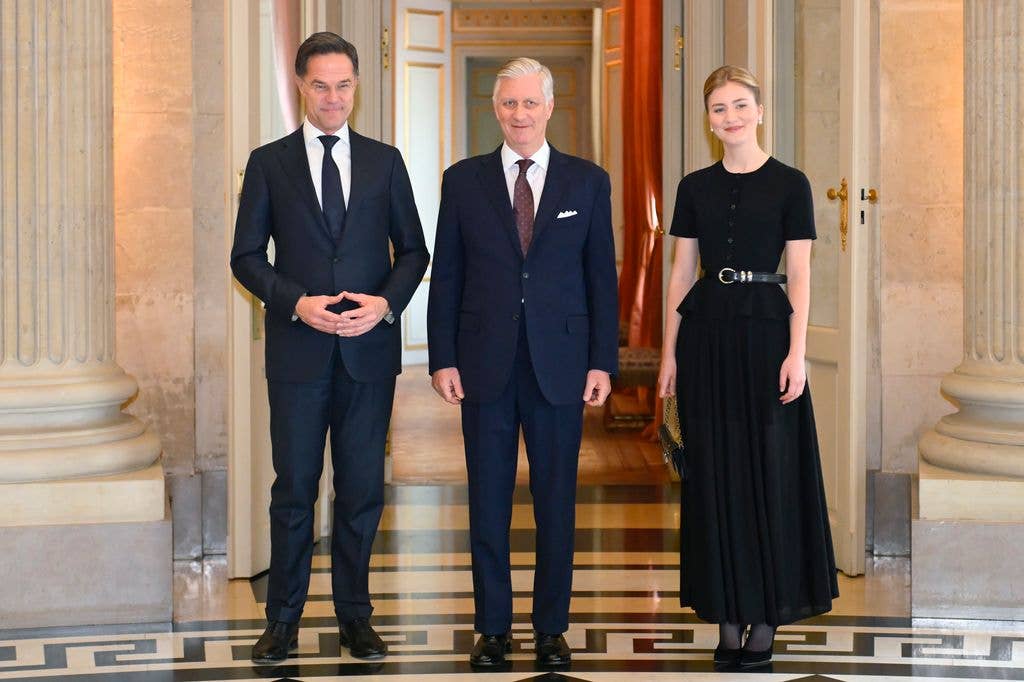 © Photonews via Getty ImagesPrincess Elisabeth has started to wear more defined pieces
A clear example was her recent black dress with a classic, almost architectural silhouette, or the navy blue design with a Bardot neckline decorated with black crystals that she wore in October 2025, respecting the midi length of the morning’s dress code. At Christmas, she opted for a Rebecca Vallance design with puffed sleeves that added drama.
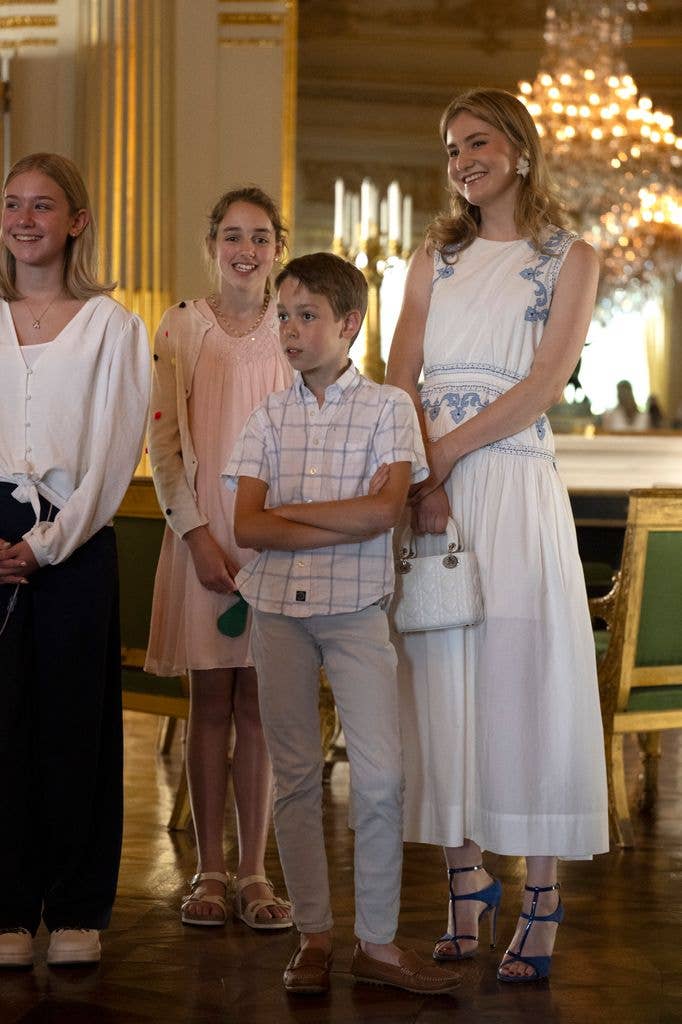 © Getty ImagesPrincess Elisabeth carried her Lady Dior while welcoming a dozen young patients from the Princess Elisabeth Children’s Hospital to the Royal Palace in Brussels
But Elisabeth also allows herself contemporary touches: a boho dress, sandals that could have come from Carrie Bradshaw’s wardrobe, and a Lady Dior bag as an anchor of classic luxury.
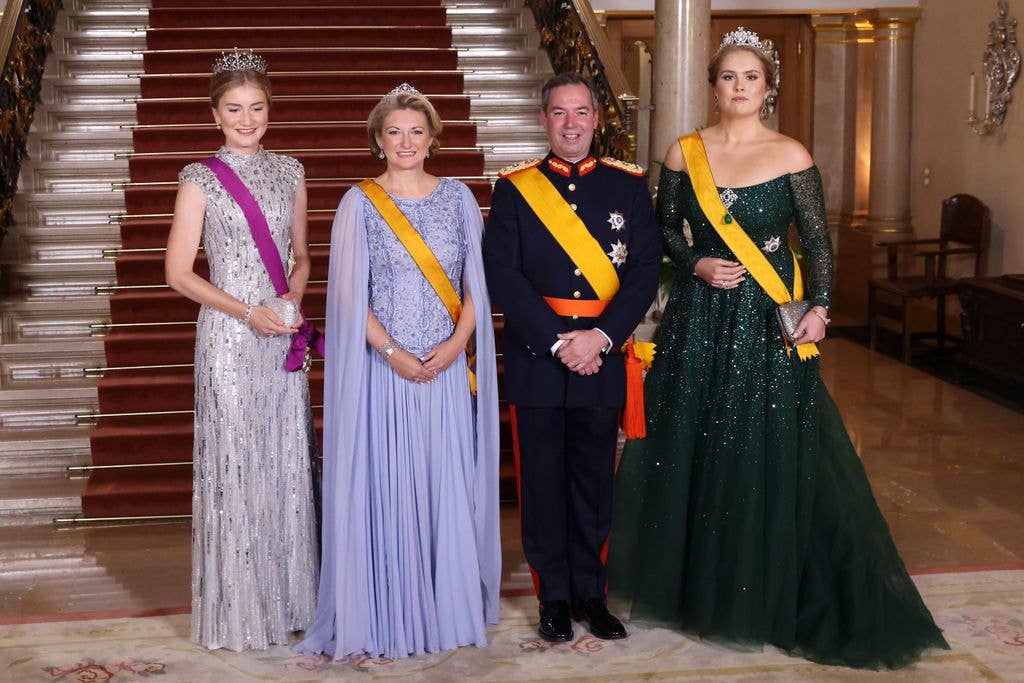 © WireImagePrincess Elisabeth has started wearing tiaras
She has already debuted a tiara, most recently wearing a floral diamond piece from the late 19th century, which reinforces her institutional position without relinquishing her own developing identity.
Princess Leonor of Spain
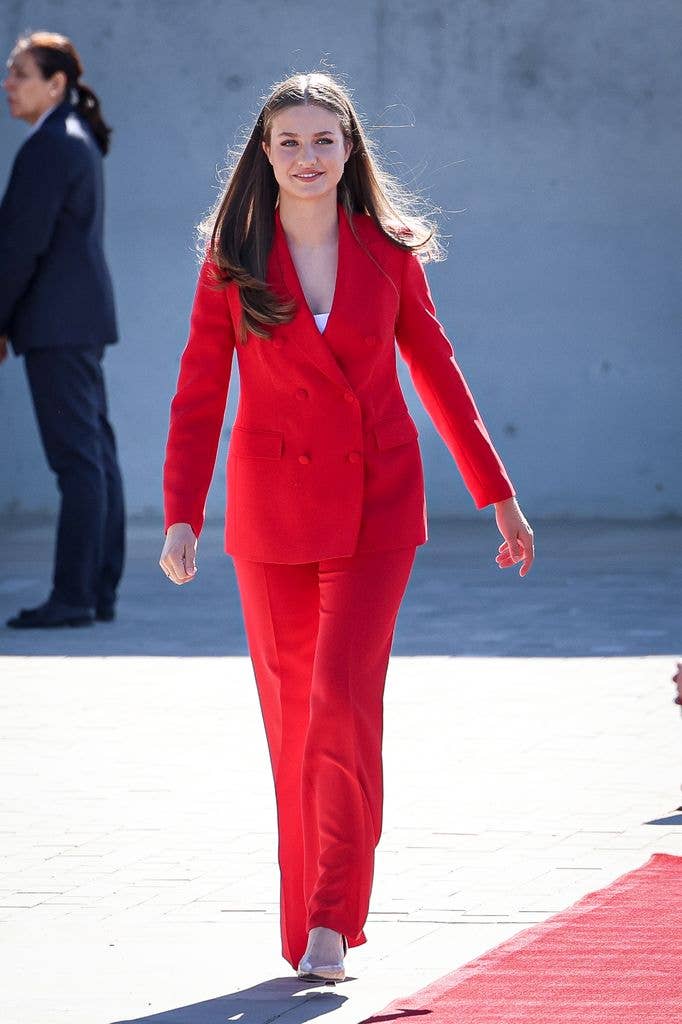 © Getty ImagesPrincess Leonor of Spain is the queen of suits
At just 20 years old, Princess Leonor is the youngest of the group and perhaps the one in the most experimental phase. Her military training and increasing public exposure have been accompanied by a clear preference for the suit as a symbolic uniform.
According to communications expert Cristian Salomoni, this choice is not driven by a desire for masculinisation, but rather by a strategy to move away from the fragile princess stereotype and project an executive, modern image, ready for leadership.
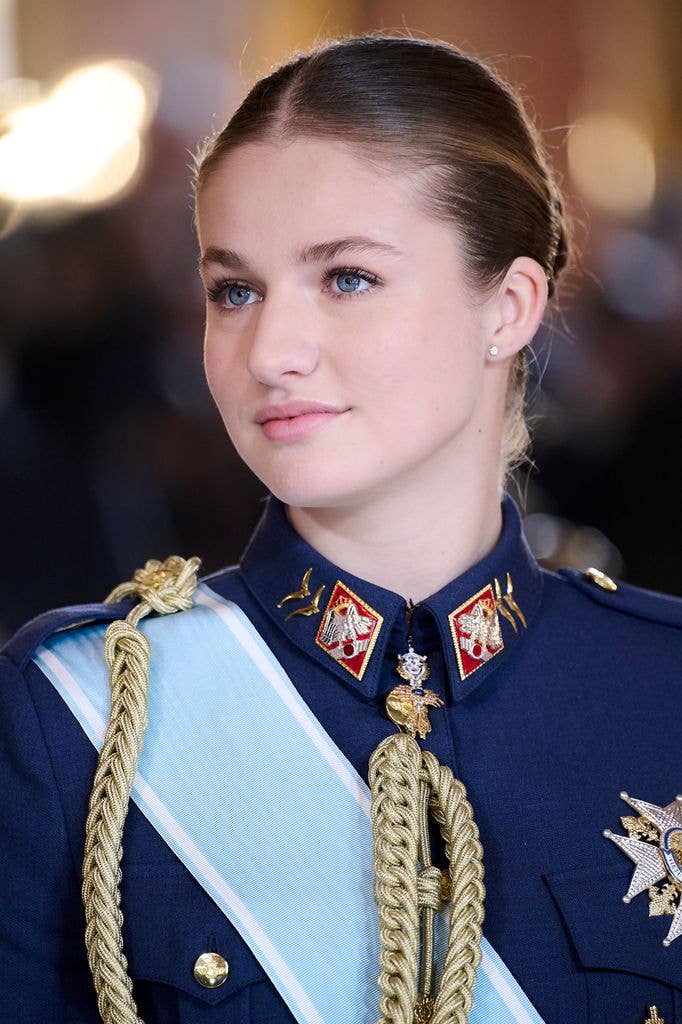 © Getty ImagesPrincess Leonor often wears her military uniform
The suit conveys seriousness, professionalism, and institutional continuity, especially when considering the stylistic parallels with Queen Letizia.
However, this extreme sobriety also raises questions. In some dresses, Leonor seems less comfortable, trapped in silhouettes that are too rigid for her age. Power should not be an aesthetic cage. Queens like Elizabeth II and Victoria demonstrated that authority and femininity are not opposing concepts.
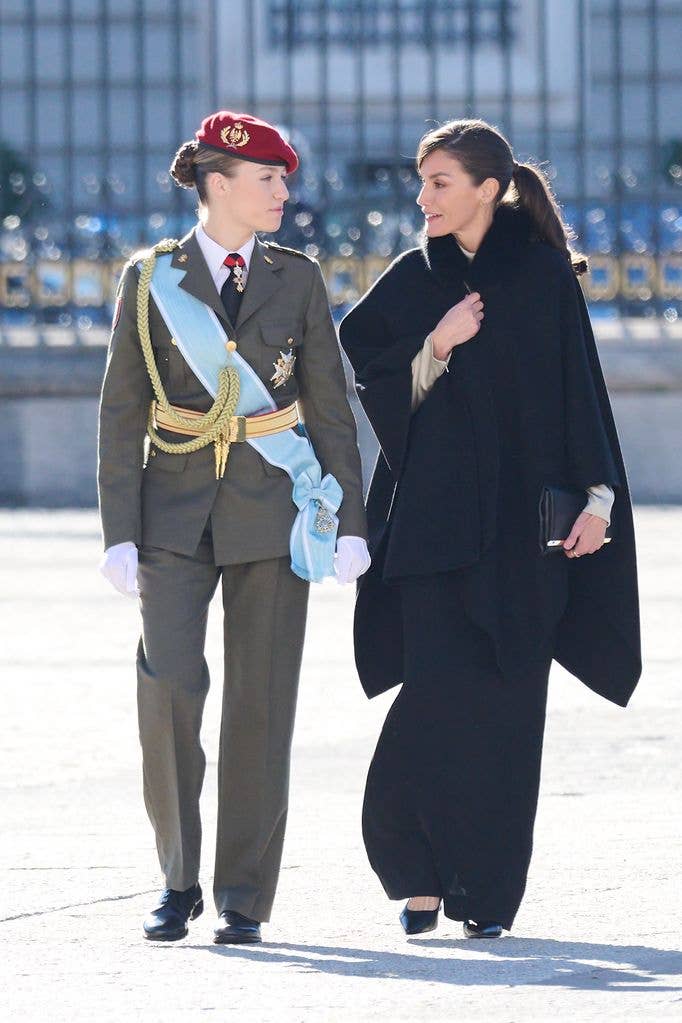 © GettyCrown Princess Leonor is yet to wear a tiara
And the tiara? Its absence is due to traditional protocol: in conservative monarchies like Spain’s, tiaras are usually reserved for married women. Although Leonor has the right to wear them as heir to the throne, her debut is being saved for a particularly symbolic moment. Perhaps 2026 will be the year.
Princess Ingrid Alexandra of Norway
 © Getty ImagesPrincess Ingrid Alexandra favours casual attire
Second in line to the throne and Norway’s first queen in 600 years, Ingrid Alexandra represents a much more organic approach to style. Less in the media spotlight than her counterparts, her transition has been almost imperceptible.
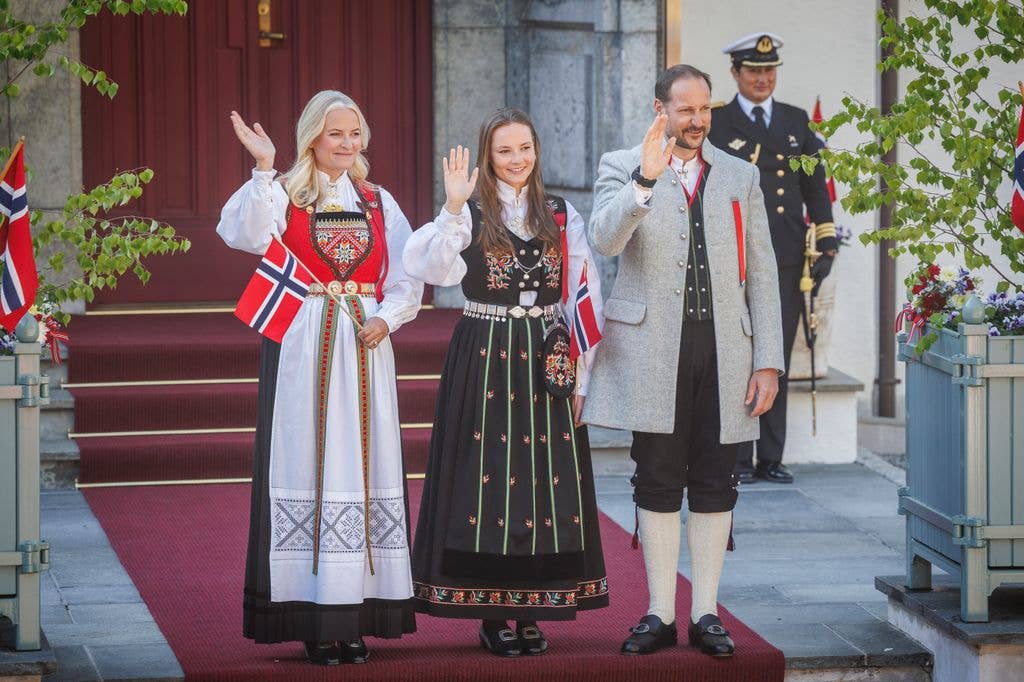 © Getty ImagesPrincess Ingrid Alexandra wore traditional dress to greet the children’s parade at the royal residence Skaugum during the Norwegian National Day in 2024
In her day-to-day life, she favours jeans, knit sweaters, and practical garments. For some official events, she opts for traditional Norwegian dress, a choice deeply rooted in her identity. When she chooses more understated designs – navy blue, black, aubergine – she seems more comfortable than in overly dramatic dresses.